The role of AI in modern telecom infrastructure is nothing short of transformative, fundamentally reshaping how networks are built, managed, and optimized. As global data traffic skyrockets and user expectations for speed and reliability reach new heights, telecom operators are turning to artificial intelligence as a critical tool for survival and competitive advantage. Consequently, AI is no longer a futuristic concept but an operational necessity embedded in everything from fiber optic route planning to dynamic 5G network slicing. This integration is creating networks that are not only more efficient and resilient but also predictive and self-healing. In this comprehensive analysis, we will explore the multifaceted ways AI is revolutionizing the backbone of global communications.
The Evolution from Legacy Systems to AI-Driven Networks
The journey from legacy telecom systems to today’s AI-driven networks represents a seismic shift in operational philosophy. Historically, network management relied heavily on manual configuration, static rules, and reactive troubleshooting. Engineers would often respond to outages or congestion only after customers had already complained, leading to significant downtime and service degradation. However, the advent of artificial intelligence has flipped this model on its head. Modern systems now leverage vast datasets from network elements, customer devices, and external sources to anticipate problems before they occur. For instance, machine learning algorithms can analyze patterns in hardware performance to predict a router failure weeks in advance, allowing for proactive maintenance during off-peak hours.
Furthermore, the scale and complexity of contemporary infrastructure, especially with the rollout of 5G and the Internet of Things (IoT), have made human-only management impractical. A single 5G network can involve millions of connected devices and ultra-dense cell deployments. In this environment, AI acts as the central nervous system, continuously monitoring thousands of data points in real-time. It automatically adjusts parameters like signal strength, bandwidth allocation, and traffic routing to maintain optimal performance. This evolution signifies a move from network-as-a-static-asset to network-as-an-intelligent-platform. Ultimately, the goal is to achieve zero-touch operations where the network self-configures, self-optimizes, and self-heals with minimal human intervention, a concept being actively pursued by standards bodies like the Telecom Infra Project (TIP) and ETSI.
AI-Powered Predictive Maintenance and Network Health
Predictive maintenance stands as one of the most financially impactful applications of AI in telecom infrastructure. Traditionally, operators followed scheduled maintenance cycles or reacted to equipment failures, both of which are costly and inefficient. Scheduled maintenance often leads to unnecessary part replacements and service windows, while reactive repairs cause disruptive outages. Artificial intelligence changes this calculus entirely by enabling condition-based maintenance. By ingesting real-time telemetry data—such as temperature, voltage, error rates, and traffic load—from switches, routers, and base stations, AI models can identify subtle anomalies that precede a failure. For example, a gradual increase in packet loss on a specific fiber link might indicate an impending hardware fault or physical degradation.
Moreover, these systems employ advanced techniques like anomaly detection and time-series forecasting. They establish a behavioral baseline for each network component under normal operating conditions. Any deviation from this baseline triggers an alert for investigation. This capability is particularly crucial for remote or difficult-to-access infrastructure, like undersea cables or mountaintop radio towers. A major European operator reported a 30% reduction in network outages and a 25% decrease in maintenance costs after implementing an AI-driven predictive platform. The system not only flags hardware issues but can also correlate multiple data streams to diagnose complex, multi-point failures that would baffle human engineers. Consequently, network uptime and reliability improve dramatically, directly enhancing customer satisfaction and reducing operational expenditure.
From Alerts to Automated Remediation
The next frontier in this domain is moving from predictive alerts to automated remediation. Leading AI platforms are now integrated with network orchestration tools. When a predicted failure is of a certain type and confidence level, the system can automatically initiate a response. This might involve rerouting traffic away from a suspect card in a core router, switching to a backup power supply at a cell site, or even dispatching a repair crew with the specific faulty part already identified. This closed-loop automation minimizes human latency and human error, ensuring the fastest possible resolution.
Optimizing 5G and Next-Generation Network Performance
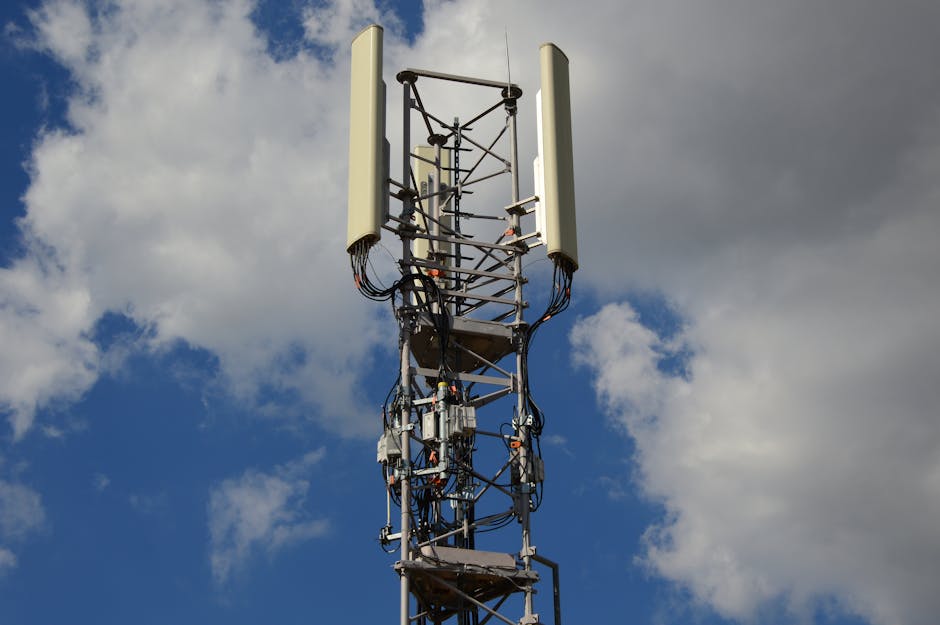
The deployment of 5G networks has unlocked unprecedented performance but also introduced staggering complexity, making AI not just beneficial but essential. 5G’s core promises—ultra-low latency, massive device connectivity, and multi-gigabit speeds—rely on sophisticated technologies like network slicing, beamforming, and edge computing. Managing these dynamically at scale is a perfect challenge for artificial intelligence. AI algorithms optimize radio access networks (RAN) by intelligently managing spectrum allocation and antenna tilt. They can analyze real-time user density and movement patterns in a stadium or city center, then adjust cell parameters to prevent congestion and ensure consistent service quality for everyone.
Furthermore, network slicing, a foundational 5G concept, is supercharged by AI. Slices are virtual, independent networks carved out of the same physical infrastructure for specific use cases, like autonomous vehicles, factory automation, or enhanced mobile broadband. AI dynamically creates, monitors, and optimizes these slices based on real-time demand and service-level agreements (SLAs). If a slice for remote surgery requires guaranteed latency below 10 milliseconds, AI will continuously monitor performance and instantly reallocate resources from lower-priority slices if needed. This dynamic resource management maximizes infrastructure utilization and enables the monetization of new 5G services. Without AI, managing thousands of concurrent slices with diverse requirements would be operationally impossible, stifling 5G’s true potential.
“AI is the brain of the 5G network. It’s what allows us to move from a ‘one-size-fits-all’ network to a ‘fit-for-purpose’ network that can instantaneously adapt to the needs of a connected ambulance, a smart factory, or a VR gamer.” – Industry Analyst, GSMA Intelligence
Enhancing Fiber Optic and Fixed Network Planning
While much attention focuses on wireless, AI’s role in modern telecom infrastructure is equally profound in fixed networks, particularly fiber optics. Planning the rollout of fiber-to-the-home (FTTH) is a capital-intensive endeavor with long-term implications. AI and machine learning are revolutionizing this planning phase. Geospatial AI analyzes satellite imagery, property records, demographic data, and existing infrastructure maps to identify the most profitable and efficient routes for new fiber trenches. It can predict adoption rates in different neighborhoods, allowing operators to prioritize areas with the highest likely return on investment. This data-driven approach prevents overbuilding in saturated markets and underbuilding in high-potential ones.
Once the fiber network is operational, AI ensures its performance. Optical transport networks generate enormous amounts of performance monitoring data. AI systems analyze this data to detect subtle signal degradation that could indicate a failing splice, a bend in the fiber, or potential security tampering. They can also perform what’s known as “soft failure” identification, where performance dips slightly but doesn’t cause a full outage—a scenario often missed by traditional threshold-based alarms. By catching these issues early, operators maintain the pristine signal quality required for high-speed services and prevent minor problems from escalating into major service disruptions. This proactive management is critical as society’s dependence on high-bandwidth fixed connectivity for work, education, and entertainment continues to grow.
Revolutionizing Customer Experience and Support
The impact of AI in telecom infrastructure extends directly to the end-user experience. Intelligent networks powered by AI create a more responsive and personalized service. For instance, AI can detect when a customer’s home Wi-Fi performance is degrading due to interference or a faulty router. The system can then proactively send a troubleshooting guide via SMS or the service provider’s app, or even schedule a technician visit before the customer is aware of a problem. This shift from reactive to proactive care dramatically improves Net Promoter Scores (NPS) and reduces churn. Moreover, AI-driven analytics segment customers based on usage patterns, enabling targeted offers for bandwidth upgrades or new services that are genuinely relevant to their behavior.
In customer support, AI-powered chatbots and virtual assistants handle a high volume of routine queries about billing, service status, or basic troubleshooting. These natural language processing (NLP) systems are integrated with the network’s operational support systems (OSS). Therefore, if a customer reports “slow internet,” the AI can instantly check the status of their line, the local node, and even run a remote diagnostic test—all within the chat interface. It can then provide an accurate diagnosis (e.g., “We’ve detected an issue with the line to your home, a technician has been auto-dispatched for tomorrow at 2 PM”) or guide the user through a fix. This not only resolves issues faster but also frees human agents to handle more complex, high-value interactions, improving overall support efficiency.
AI in Network Security and Threat Detection
Telecom networks are prime targets for cyberattacks, given their critical role in national infrastructure. The role of AI in modern telecom infrastructure is therefore pivotal for security. Traditional, signature-based security tools struggle against zero-day exploits and sophisticated, multi-vector attacks. AI, particularly in the form of machine learning and behavioral analytics, provides a dynamic defense. It establishes a baseline of normal network traffic patterns—understanding typical data flows between cells, core data centers, and peering points. Any deviation from this baseline, such as unusual data exfiltration patterns, a sudden spike in signaling traffic (a potential DDoS attack), or anomalous access attempts to network management systems, is flagged instantly.
Furthermore, AI systems can correlate seemingly unrelated events across different parts of the infrastructure to identify coordinated attacks. For example, a failed login attempt on a provisioning server in one region, combined with unusual scanning activity on a border router in another, might together signal a reconnaissance phase of a larger attack. AI can then automatically implement countermeasures, like isolating affected segments, blocking malicious IP addresses, or tightening authentication rules. This real-time, intelligent threat hunting is essential for protecting not just the operator’s assets but also the data and privacy of millions of subscribers whose traffic flows through these networks. As network architectures become more open and virtualized with technologies like Open RAN, AI-driven security will be the cornerstone of trust.
Driving Efficiency in Energy Management and Sustainability
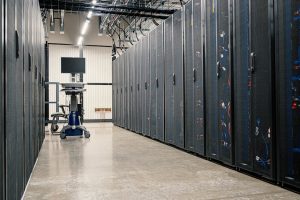
Telecom networks are significant energy consumers, with data centers and cell sites accounting for a large portion of an operator’s operational costs and carbon footprint. AI is emerging as a powerful tool for green networking and energy savings. In radio access networks, AI algorithms can dynamically power down certain components of cell sites during periods of low traffic, such as late at night, without affecting coverage. This technique, known as cell sleep mode, can reduce energy consumption by up to 15-20% at individual sites. On a macro scale, AI optimizes the entire network’s power profile by intelligently shifting computational loads to data centers in regions where renewable energy (like solar or wind) is most abundant at that moment.
Additionally, AI improves the efficiency of cooling systems in central offices and data centers. By analyzing data from thousands of sensors—tracking temperature, humidity, and equipment load—AI models can predict the optimal cooling configuration. They adjust fan speeds, vent positions, and chilled water flow in real-time to maintain required temperatures while minimizing electricity use. Some operators have reported energy savings of over 30% on cooling costs alone through AI optimization. These sustainability initiatives are not just good for the planet; they directly improve the bottom line, making AI a key partner in achieving both environmental and financial goals. This is a clear example of how intelligent infrastructure management creates a win-win scenario for businesses and society.
Challenges and Considerations for AI Deployment
Despite its immense potential, integrating AI into telecom infrastructure is not without significant challenges. First, the success of AI models is entirely dependent on the quality, quantity, and accessibility of data. Many legacy network elements were not designed to stream the granular telemetry data that modern AI systems require. This creates a data silo problem, where information is trapped in proprietary systems, hindering the holistic view needed for effective AI. Operators must invest in modernizing their data collection frameworks and ensuring data is clean, labeled, and normalized. Second, there is a critical skills gap. Telecom engineers are experts in networking protocols, while data scientists excel in algorithms. Bridging this gap requires new hybrid roles and extensive training programs to build teams that speak both languages.
Another major consideration is the “black box” problem associated with some complex AI models, like deep neural networks. When an AI makes a decision—such as shutting down a network slice or rerouting all traffic—network engineers need to understand *why* to trust the system and for regulatory compliance. Explainable AI (XAI) is a growing field aimed at making AI decisions more transparent and interpretable. Furthermore, deploying AI introduces new security risks; the AI models and their training data themselves become attack surfaces that must be rigorously protected. Finally, the initial capital investment for AI platforms, computing hardware (like GPU clusters), and integration services can be substantial. Operators must carefully build a business case focused on specific, measurable outcomes like reduced outages, lower energy costs, or increased revenue from new services to justify this expenditure.
The Future: Autonomous Networks and AI-First Design
The future trajectory of AI in telecom points toward fully autonomous networks. Industry groups like the TM Forum are defining levels of autonomy (LoA), similar to autonomous vehicles, with the goal of reaching Level 4 (highly autonomous) and Level 5 (fully autonomous) networks. In this future state, AI will handle not just optimization and healing but also the entire network lifecycle: planning, deployment, operation, and evolution. Networks will be designed from the ground up with an “AI-first” philosophy, where every component is instrumented for data collection and controllable via AI-driven APIs. We will see the rise of intent-based networking, where operators simply state a business goal (e.g., “ensure 99.999% reliability for emergency services traffic”), and the AI translates that into thousands of technical configurations across the infrastructure and continuously ensures compliance.
Moreover, the convergence of AI with other transformative technologies will unlock new possibilities. The integration of AI with edge computing will enable real-time, low-latency decision-making at the network’s edge, crucial for applications like autonomous vehicles and industrial IoT. Digital twin technology, powered by AI, will create virtual, real-time replicas of the entire physical network. Engineers can then simulate failures, test new configurations, or plan expansions in the digital twin without any risk to the live network. This allows for unprecedented innovation speed and risk reduction. As 6G research begins, AI-native design is already a central tenet, promising networks that are not just tools but intelligent partners in a hyper-connected world. The role of AI will evolve from being an operational tool to becoming the core intelligence defining the very architecture of global communications.
Key Takeaways
- AI transforms telecom infrastructure from reactive to predictive and proactive, enabling self-optimizing, self-healing networks.
- Predictive maintenance powered by AI drastically reduces outages and operational costs by identifying failures before they impact service.
- 5G’s complexity and potential, especially in network slicing and dynamic resource allocation, are fully dependent on AI for management at scale.
- AI enhances both fixed (fiber) and wireless network planning, deployment, and performance monitoring.
- The convergence of AI with edge computing and digital twin technology will define the next generation of autonomous networks.
Frequently Asked Questions
How is AI currently being used in telecom networks?
AI is actively used for predictive maintenance of hardware, dynamic optimization of 5G radio resources, intelligent traffic routing to prevent congestion, fraud detection, proactive customer support, and energy management in data centers and cell sites.
What are the main benefits of AI for telecom operators?
The primary benefits are significant reductions in operational costs (OpEx) and capital expenditures (CapEx), improved network reliability and uptime, enhanced customer experience, faster rollout of new services, and the ability to manage increasingly complex network technologies like 5G and IoT.
What is an autonomous network?
An autonomous network is a self-driving system that uses AI and automation to manage its own operations with minimal human intervention. It can perform tasks like configuration, healing, optimization, and protection based on high-level business goals set by humans.
What are the biggest hurdles to adopting AI in telecom?
Key challenges include data silos and quality issues, a shortage of skilled professionals who understand both telecom and data science, the “black box” nature of some AI decisions, high initial investment costs, and integrating AI with legacy infrastructure.
Conclusion
The integration of artificial intelligence into modern telecom infrastructure marks a paradigm shift for the entire industry. AI is transitioning from a promising innovation to the central nervous system of global networks. It empowers operators to manage unprecedented complexity, deliver flawless customer experiences, and unlock new revenue streams—all while controlling costs and improving sustainability. From the physical layer of fiber optics to the virtualized realms of 5G network slices, AI’s analytical and predictive capabilities are creating a more resilient, efficient, and intelligent connected world. As we look to the future of 6G and beyond, one principle is clear: the network will not just be powered by AI; it will be conceived, built, and defined by it. The journey toward truly autonomous, self-evolving infrastructure has only just begun, and its success will hinge on the strategic and ethical deployment of artificial intelligence at every layer.