The Symbiotic Relationship Between AI and the Telecom Industry

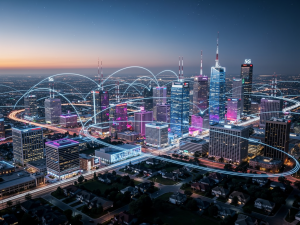
The telecommunications industry has always been at the forefront of technological advancements, and the rise of artificial intelligence (AI) is further reshaping this sector in transformative ways. What makes this innovation particularly groundbreaking is the symbiotic relationship between AI and telecom. Telecom networks act as the backbone that powers AI applications, while AI, in turn, enhances operational efficiency, customer satisfaction, and innovation capabilities within the telecom space. This dynamic partnership is driving the future of intelligent connectivity and establishing a solid foundation for next-generation technologies.
AI’s Role in Revolutionizing Telecom Operations

Pexels
AI is no longer a futuristic concept in the telecom industry — it has seamlessly embedded itself into daily operations. Telecom providers utilize AI-powered algorithms for predictive analytics, enabling the detection of network anomalies and equipment issues before they cause disruptions. This predictive maintenance reduces downtime and operational costs, improving the reliability of telecom networks. AI also shines in traffic management, balancing network loads during peak hours and ensuring seamless connectivity for users worldwide.
Another critical area where AI plays a pivotal role is cybersecurity. Telecom operators leverage machine learning models to identify and mitigate potential threats in real time, safeguarding both operators and end-users from cyberattacks. Moreover, AI-powered chatbots and virtual assistants have transformed customer service by providing instant support and personalized experiences, while sentiment analysis helps operators design better services tailored to user preferences.
Telecom Networks Powering AI Advancements

Pexels
The relationship between telecom and AI is not one-sided. Telecom networks provide the high-speed, low-latency infrastructure necessary for the functioning of advanced AI applications. With the global rollout of 5G and gigabit wireline networks, telecom providers are creating a seamless platform for AI-driven advancements like autonomous vehicles, smart cities, and immersive entertainment experiences. The deployment of edge data centers has further revolutionized the sector by bringing AI processing closer to end-users, enabling real-time decision-making.
Innovative telecom companies such as Bell and TELUS are making significant strides in AI infrastructure. For instance, TELUS recently unveiled Canada’s fastest and most powerful supercomputer at their Sovereign AI Factory in Rimouski, demonstrating the telecom sector’s capabilities to foster AI innovation. Similarly, Nokia has developed Artificial Intelligence for Operations (AIOps), which automates network management and reduces downtime by up to 96%, paving the way for self-healing, autonomous systems.
The Economic Ripple Effect of AI-Telecom Symbiosis

Pexels
The transformative benefits of AI in telecom extend well beyond the technology sector. The symbiosis between AI and telecom is now influencing industries such as healthcare, finance, and automotive, offering cutting-edge solutions that rely on intelligent connectivity. For instance, autonomous vehicles rely on low-latency networks, while AI-driven healthcare applications benefit from enhanced data processing and instant analytics for life-saving decisions. Deloitte’s recent TMT Predictions report highlights telecom as the backbone of the AI-powered digital economy, underscoring the economic growth potential that telecom-AI partnerships bring to multiple industries.
From a policy perspective, governments like Canada’s are actively nurturing AI innovation while addressing sovereignty and digital autonomy. By mandating domestic control of critical AI operations and leveraging procurement strategies, nations can create a stable market for their innovators. This approach not only supports local startups but also reinforces the reciprocal relationship that drives telecom and AI symbiosis to new heights.
The Future of Intelligent Connectivity

Pexels
The partnership between AI and telecom is poised to define the future of the digital economy. By enabling smarter networks and infrastructure, AI helps telecom providers evolve from offering basic connectivity services to becoming platforms for innovation and intelligence. As industries continue to adopt AI-powered solutions, the mutual reinforcement between telecom and AI will remain a cornerstone of technological transformation, delivering smarter, faster, and more reliable services for businesses and consumers alike.