Navigating the labyrinth of connectivity options can be daunting, but securing the best tourist SIM cards for Southeast Asia is the single most important step for a smooth, connected journey across this vibrant region. The right SIM card transforms your smartphone from a potential liability into an indispensable tool for navigation, translation, booking, and sharing your adventures. However, the choices are overwhelming, with each country boasting multiple carriers, varied plans, and different regulations. This comprehensive guide cuts through the confusion, providing you with a detailed, country-by-country analysis and a proven framework for making the optimal choice based on your itinerary, data needs, and budget.
Key Takeaways
- Prioritize data-heavy unlimited plans for most travelers, as they offer the best value and eliminate bill shock.
- Always verify your phone is unlocked from your home carrier before departure to avoid connectivity issues.
- Purchase SIMs upon arrival at official airport counters for convenience, safety, and immediate activation.
- Carry a passport for SIM registration, which is a legal requirement in every Southeast Asian country.
- Consider an eSIM if your device supports it, for instant, digital activation without swapping physical cards.
- Download offline maps and translation apps as a backup, ensuring functionality even without immediate service.
Understanding Your Core Connectivity Needs
Before comparing specific plans or carriers, you must conduct an honest audit of your digital travel habits. Are you a social media influencer uploading daily vlogs, a digital nomad joining video conferences, or a casual traveler needing just enough data for maps and messaging? Your usage profile directly dictates the type of plan you should pursue. For instance, an unlimited data plan, while slightly more expensive upfront, provides immense peace of mind and is often the best tourist SIM card for Southeast Asia for the average visitor. Conversely, if your itinerary is packed with remote jungle treks or island-hopping where signal is sporadic, a plan with a smaller data allowance but excellent coverage in rural areas might be more strategic.
Audit Your Data, Talk, and Text Usage
Start by reviewing your last month’s mobile usage through your home carrier’s app. How many gigabytes of data did you consume? Was it primarily on Wi-Fi or cellular? For travel, anticipate higher data use for navigation (Google Maps or Maps.me), ride-hailing apps (Grab, Gojek), and photo backups. Furthermore, consider how much you’ll rely on messaging apps like WhatsApp or Telegram versus traditional SMS and voice calls. Most travelers find that data is king, with talk and text being minimal. Consequently, your primary search should focus on high-data or unlimited packages.
The Critical Importance of an Unlocked Phone
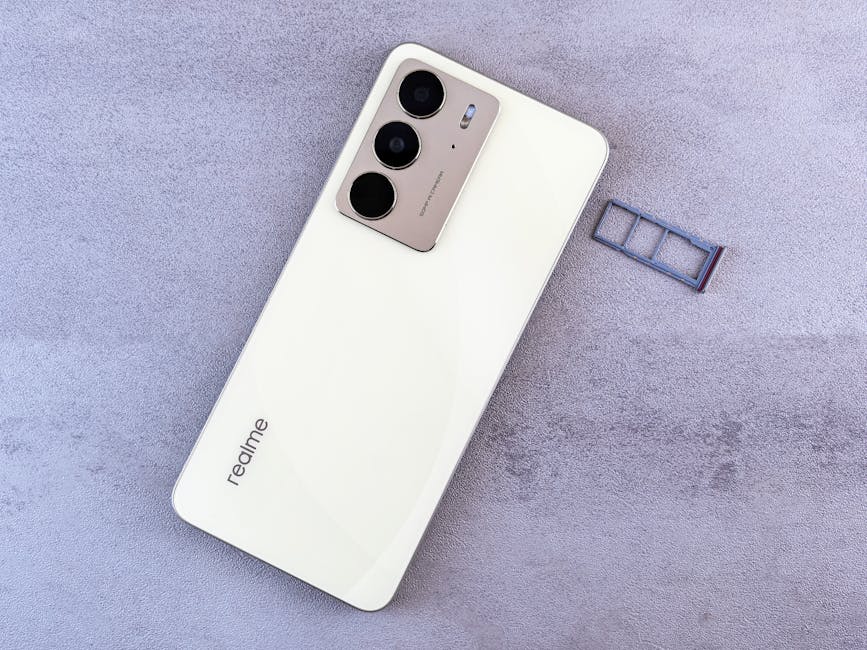
This is the non-negotiable foundation. An unlocked phone is one not permanently tied to a specific network provider. You can check your phone’s status by inserting a SIM card from a different carrier; if it works, your phone is unlocked. If it’s locked, contact your current provider to request an unlock, which they are often obligated to do once your contract is fulfilled. Attempting to use a locked phone abroad leads only to frustration and exorbitant roaming charges. Remember, the best tourist SIM card for Southeast Asia is useless if your device rejects it.
Navigating the Major Carriers and Their Networks

Southeast Asia’s telecom landscape is dominated by a few key players in each country, each with strengths and weaknesses in coverage, speed, and tourist-friendly offerings. Making an informed choice requires understanding this ecosystem. In Thailand, for example, AIS, dtac, and TrueMove H are the main contenders. AIS often boasts the most extensive nationwide coverage, crucial for ventures outside Bangkok. Meanwhile, in Indonesia, Telkomsel’s network is renowned for reaching remote islands, while XL Axiata might offer more competitive urban data packages. Researching coverage maps for the specific regions you’ll visit is a highly recommended step.
“For travelers prioritizing reliability over rock-bottom price, opting for the market leader in each country, like AIS in Thailand or Singtel in Singapore, is a safe bet. Their tourist SIMs are streamlined, available everywhere, and their networks are robust,” advises a regional telecom analyst.
Moreover, some carriers have formed partnerships to offer seamless cross-border data packages. For instance, a SIM card purchased in Singapore from Singtel might include data allowances for use in Malaysia and Indonesia, a fantastic value for multi-country trips. Always ask about these ASEAN roaming packages when purchasing.
A Country-by-Country Breakdown of Top SIM Options
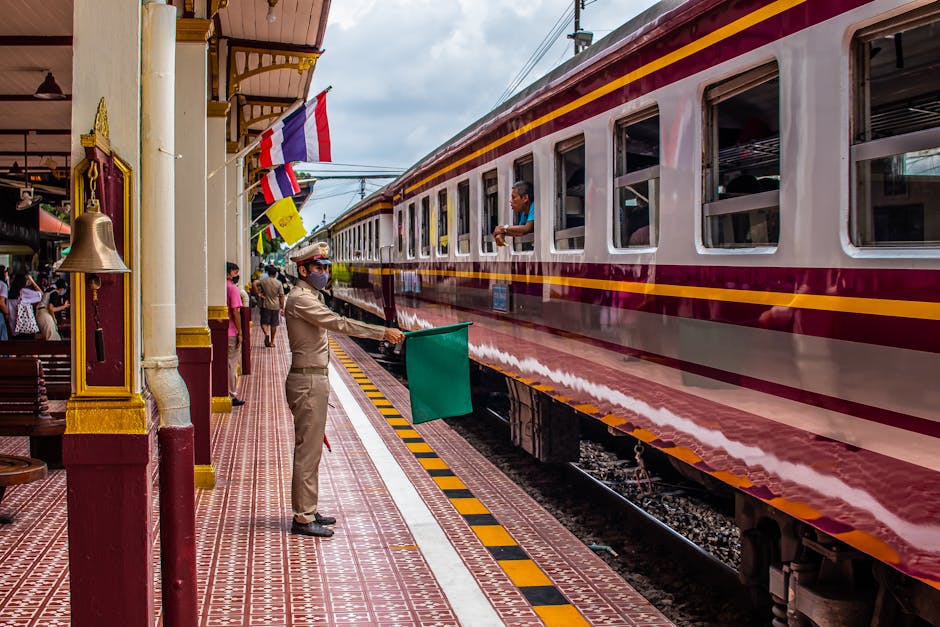
A one-size-fits-all approach does not work in a region as diverse as Southeast Asia. The best tourist SIM card for Southeast Asia depends heavily on your specific destinations. Here’s a detailed look at the top choices in the most visited countries.
Thailand: AIS vs. dtac vs. TrueMove
Upon landing at BKK or DMK airports, you’ll find counters for all three major operators. The AIS Tourist SIM is frequently top-rated for its combination of high-speed data (often 4G/5G unlimited for 8-15 days), some call credit, and excellent coverage. dtac’s Happy Tourist SIM is a strong competitor with similar packages and sometimes better promotional pricing. TrueMove H offers good value but may have slightly less rural penetration. Our recommendation? For most travelers, the AIS 8-day unlimited data package provides the perfect balance of simplicity and performance.
Vietnam: Vinaphone, Viettel, and Mobifone
In Vietnam, Viettel is the military-run operator with the undisputed best coverage, especially in mountainous areas like Sapa or Ha Giang. Their tourist SIMs are cheap and data-rich. Vinaphone is also reliable and has good city coverage. Purchasing at the airport is straightforward, but be prepared for stricter registration requiring your passport details. A typical good-value plan offers 4GB of data per day for 30 days for a very low cost.
Indonesia, Malaysia, Singapore, and Cambodia
In Indonesia, Telkomsel’s *SimCard* is the coverage king for island-hopping. For Malaysia, Celcom or Maxis are excellent choices. Singapore offers incredibly fast networks from Singtel, StarHub, and M1; consider a plan with regional data if flying onward. For Cambodia, Cellcard and Smart are the main providers, with cheap unlimited weekly plans readily available at Phnom Penh or Siem Reap airports.
The Physical SIM vs. eSIM Decision Matrix

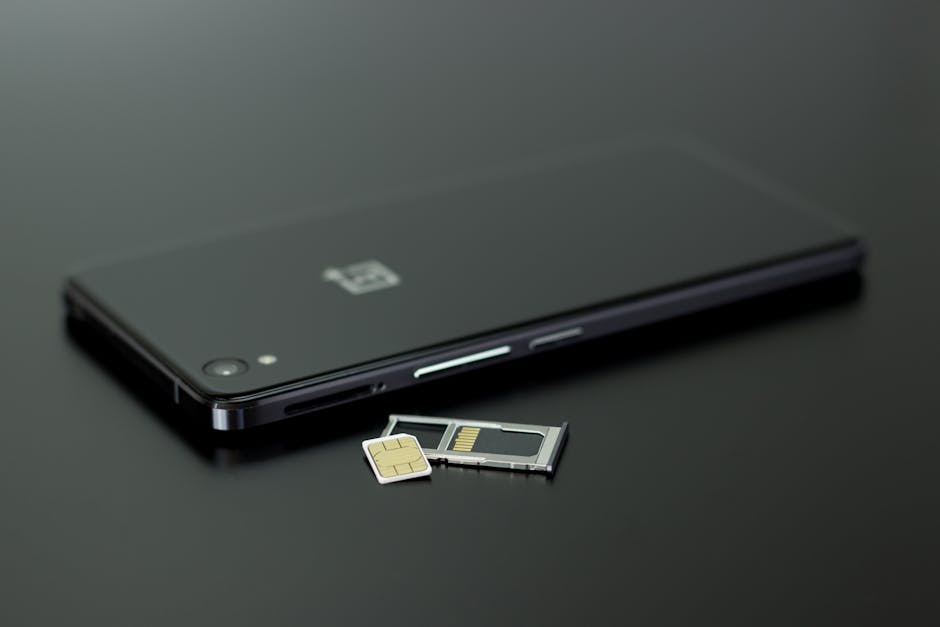
The traditional physical SIM card is now challenged by the digital eSIM. An eSIM is an embedded, programmable SIM inside newer smartphones (iPhone XS/XR and later, many Google Pixels, and recent Samsung Galaxy models). You activate it by scanning a QR code purchased online, bypassing the need for a physical swap. So, which is the best tourist SIM card for Southeast Asia: physical or eSIM? The answer depends on your priorities.
Choose a physical SIM if: your phone is not eSIM-compatible, you value the ability to easily swap cards, you prefer paying cash upon arrival, or you want the absolute cheapest local price. The process is tangible and assisted by a salesperson.
Choose an eSIM if: your device supports it, you crave the convenience of activation before you land (great for immediate navigation), you are visiting multiple countries and can purchase a regional eSIM plan, or you want to avoid handling a tiny plastic card. Providers like Airalo or Nomad offer these digital plans. However, ensure your chosen eSIM provider has strong partnerships with local networks for reliable service.
Step-by-Step Guide to Purchasing and Activating

Knowing what to buy is half the battle; knowing how to buy and activate it safely is the other. Follow this proven step-by-step process to ensure a hassle-free setup.
- Pre-Departure: Confirm phone unlock status. Download offline maps for your arrival city and translation apps. Research the best carrier for your first destination.
- At the Airport: Head directly to the official carrier counters in the arrivals hall. Do not buy from unofficial kiosks or taxi drivers. Compare the tourist-specific packages displayed. Have your passport ready for registration.
- Purchase & Registration: Select your plan. The staff will handle the registration, which is mandatory. You will receive the SIM card, often with instructions in English.
- Activation: The staff will usually insert and activate the SIM for you. Ensure you receive a phone number and check that mobile data is working before leaving the counter. Ask for the USSD code to check your balance/data remaining.
- Top-Up: Understand how to add credit (via apps, scratch cards sold at 7-Eleven, or kiosks) if your plan is not all-inclusive.
Remember, in some countries like Myanmar, regulations have been volatile, so checking very recent travel forums for the latest SIM purchase advice is prudent.
Cost Comparison and Avoiding Hidden Fees
While Southeast Asia is famously affordable for SIM cards, not all plans are created equal. A 30-day unlimited data plan in Thailand might cost $15-$20, while a similar plan in Singapore could be $20-$30. However, the true cost is revealed in the fine print. Beware of “unlimited” plans that throttle speeds after a certain fair-use data cap (e.g., 4GB per day at high speed, then slower). Also, watch for plans that exclude certain social media apps or charge extra for calls to certain numbers.
To avoid bill shock, always ask: “Is this price all-inclusive, or are there any extra taxes or registration fees?” and “Does ‘unlimited’ mean full-speed for the entire validity period?” Using the carrier’s official app to monitor usage is the best defense. Furthermore, consider the convenience cost. Paying a few dollars more at the airport for an activated, working SIM is often wiser than hunting for a cheaper deal in the city while disconnected.
Essential Travel Apps That Demand a Good SIM
Your new, high-speed local data unlocks the full potential of these essential travel apps. A reliable connection turns these from mere apps into lifelines.
- Navigation: Google Maps (download offline areas), Maps.me (fully offline).
- Ride-Hailing: Grab (Southeast Asia’s Uber), Gojek (Indonesia).
- Translation: Google Translate (download language packs).
- Money: XE Currency, your banking app for ATMs.
- Food & Accommodation: Agoda, Booking.com, Foodpanda.
Having a fast, local data connection ensures these apps work in real-time, providing live traffic updates, ride ETAs, and instant translations. This is where the value of your investment in the best tourist SIM card for Southeast Asia truly pays off, enhancing safety, efficiency, and enjoyment.
Conclusion
Choosing the best tourist SIM cards for Southeast Asia doesn’t require luck, just a methodical approach grounded in your personal needs and itinerary. By understanding the carrier landscape, weighing the physical SIM versus eSIM debate, and following the secure purchase steps outlined, you can land in any major Southeast Asian hub and be online within minutes. The small upfront investment in reliable, high-speed mobile data pays infinite dividends in seamless navigation, instant communication, and peace of mind. Ready to explore the bustling streets of Bangkok, the tranquil beaches of Bali, or the ancient temples of Siem Reap? Your first stop after baggage claim should be the SIM card counter—it’s the key to unlocking a truly connected and stress-free adventure. What destination in Southeast Asia are you most excited to explore with your new-found connectivity?