Blended Satellite System Future-Proofs San Francisco General Hospital’s Emergency Communications
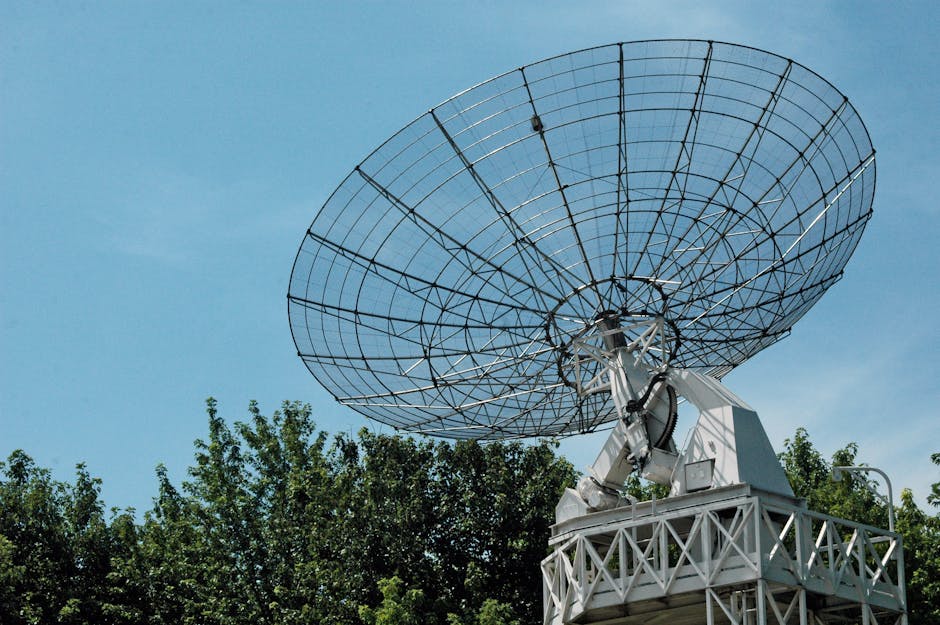
San Francisco General Hospital has deployed an advanced blended satellite communication network, ensuring uninterrupted connectivity during emergencies, according to Remote Satellite Systems. The project integrates Low Earth Orbit (LEO) and geosynchronous (GEO) satellite technologies with LTE and priority cellular, providing a robust backup system for one of Northern California’s busiest public hospitals.
Satellite-Driven Resilience for Critical Care

The critical-care hospital has long relied on traditional telecom infrastructure like fiber networks and cellular towers, but such systems are susceptible to congestion and failure during disasters. To address these vulnerabilities, Remote Satellite Systems engineered a blended communications architecture connecting the hospital’s two primary buildings through a single satellite gateway. The system dynamically routes data and calls through the fastest and most reliable pathways available, including satellites in both LEO and GEO orbits.
“This hybrid setup provides both the high-speed, low-latency benefits of LEO satellites and the proven reliability of GEO connections,” the company explained, adding that their work included antenna placement, infrastructure design, and direct collaboration with hospital administrators.
Emergency Communications Underpinned by Advanced Technology

The deployment highlights a broader industry shift toward blended networks, leveraging ever-maturing satellite technology. High latency is a longstanding weakness of GEO satellites, which orbit approximately 22,000 miles above Earth. By integrating LEO satellites—such as those operated by Starlink and OneWeb, which orbit as low as 1,200 miles—San Francisco General dramatically improved its capacity for real-time data transfer without compromising reliability.
With the system in place, hospital administration and emergency responders can seamlessly communicate across departments, facilities, and external agencies, even during severe power outages or other crises. Remote Satellite Systems emphasized the importance of user training and long-term support, noting the creation of custom manuals to help hospital teams maintain and troubleshoot the network despite staff turnover.
What This Means for the Future of Emergency Infrastructure

The timing of this upgrade comes as interest in LEO satellite applications grows across healthcare, emergency response, and public safety sectors. Industry analysts suggest that projects like this could accelerate wider adoption of satellite-blended networks, especially in regions vulnerable to natural disasters or infrastructure challenges.
The deployment also highlights increasing competition among satellite operators. Geostationary providers such as Intelsat and SES now face growing pressure from LEO systems, which continue to disrupt legacy telecom models. The blending of technologies helps mitigate the trade-offs of both approaches, offering a pathway for future-ready communication solutions.
As hospitals nationwide seek to modernize emergency preparedness, this project could serve as a scalable blueprint. According to analysts, blending LEO, GEO, and terrestrial networks ensures institutions are not locked into a single-point-failure system, a critical need in environments where every second could save lives.
Original Source: Remote Satellite Systems