Cameroon and Madagascar Expand Connectivity to Bridge Rural Digital Divide
Cameroon and Madagascar are advancing major connectivity initiatives aimed at addressing digital access challenges in remote regions. According to Ecofin and TechAfrica News, both nations are tackling infrastructure gaps that hinder internet access and economic development in underserved areas.
Cameroon Bets $81.2M on Mobile Network Expansion

Cameroon’s state-owned operator, Camtel, has secured CFA44.884 billion (approximately US$81.2 million) in syndicated financing from Commercial Bank Cameroon. The funds, part of a broader CFA52.2 billion (US$94.4 million) investment plan, will power the first phase of the Mobile Network Expansion (MNE) project. This initiative aims to enhance service quality and extend 2G, 3G, and 4G coverage to urban, economic, and rural zones with limited connectivity. Key targets include university towns, strategic economic hubs, and underserved regional capitals.
Despite a mobile penetration rate projected to hit 96.4% by 2025, mobile internet remains a challenge in Cameroon. As of 2026, DataReportal data shows that only 41.9% of the population (about 12.6 million users) accessed mobile internet services, reflecting significant room for digital growth.
Madagascar Launches ‘Smart Villages’ to Transform Rural South
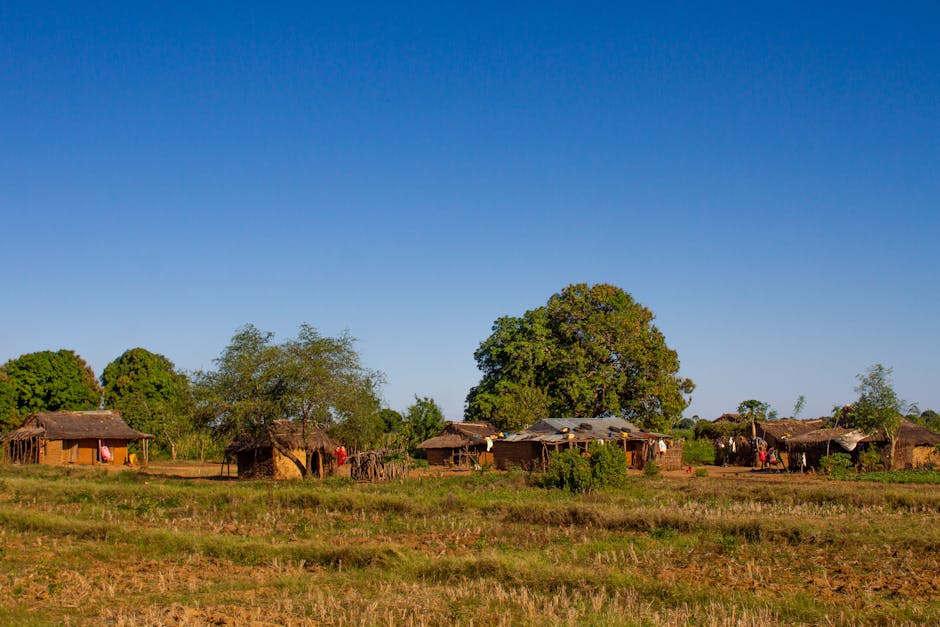
In Madagascar, the Ministry of Digital Development, Postal and Telecommunications (MNDPT) has inaugurated its Rapid Rural Transformation (RRT) and Smart Village initiative. Backed by a collaboration with the World Food Programme, this project aims to bridge the digital divide in remote southern regions, including the Anosy and Androy areas.
The initiative employs hybrid satellite connectivity and off-grid solar power to deliver consistent internet access and public services to isolated communities. Six operational sites now feature digital hubs offering shared community access, government support services, and economic tools like solar-powered refrigeration and real-time market information for farmers. According to TechAfrica News, the program has benefited over 10,000 residents, created 1,200 jobs through youth digital skills training, and boosted commercial activity around hubs by 20%.
Industry Context: Rural Connectivity as a Growth Imperative

These initiatives underscore the growing focus on rural connectivity among African nations. International agencies and governments alike are recognizing that affordable, reliable connectivity is crucial for economic development, education, and access to essential services. Hybrid satellite and solar solutions, like those in Madagascar, highlight innovative approaches to overcoming infrastructure gaps where traditional methods fall short.
For Cameroon, expanding mobile network capacity addresses increasing demand for high-speed internet in urban areas while reducing congestion in existing infrastructure. In Madagascar, the integration of digital hubs and economic tools illustrates how broadband access can directly improve livelihoods, from youth employment to streamlined agricultural production.
What’s Next: Scaling Sustainable Connectivity
Both projects provide a blueprint for scalable connectivity in rural Africa, with implications for other underserved regions globally. The success metrics—like increased digital engagement, economic activity, and job creation—will be indicators of long-term sustainability. Industry observers note that partnerships, such as Madagascar’s collaboration with the World Food Programme, could serve as a model for leveraging global resources to address local needs.
As digital transformation continues to shape economic landscapes, the challenge will be maintaining momentum and ensuring the infrastructure evolves to match growing demand. Market watchers will be paying close attention to whether these projects inspire similar ventures across the continent.
How can telecom operators and governments scale such initiatives to unlock the full potential of rural connectivity?