The Challenging Future of Global Multilateralism: Why Reform is Crucial for Stability
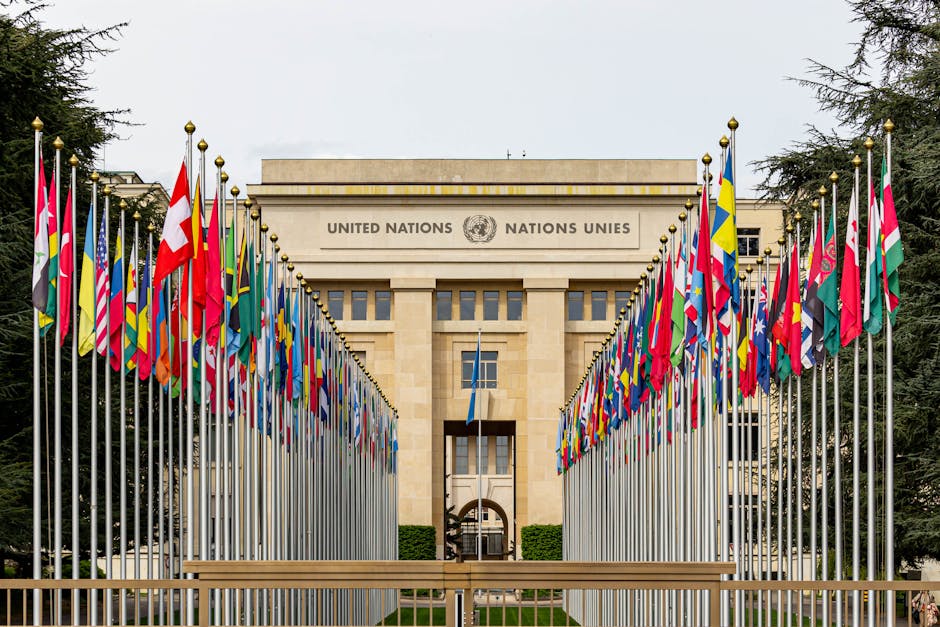
According to African Business, the global order established post-World War II is under significant strain, as the principles of multilateralism face growing challenges from unilateral actions of dominant powers. With landmarks such as the United Nations increasingly strained, the call for reform and a balanced global system is louder than ever.
The Erosion of Post-War Global Frameworks

The United Nations Charter, signed in 1945 by 50 states, aimed to create a rules-based system for international peace and cooperation. Today, however, those optimistic aspirations are being tested. Dominant states are turning to unilateralism and power projection, exemplified by recent conflicts and disregard for multilateral resolutions. For instance, the U.S.’s recent intervention in Venezuela without international justification highlights a shift away from collective global governance.
Structural issues within the U.N. remain critical barriers. The Security Council’s permanent five members — the U.S., Russia, China, France, and the U.K. — hold veto power, enabling them to block resolutions based on national interests rather than global justice. Between 1990 and 2023, over 50 resolutions were vetoed, most related to geopolitical conflicts, including Ukraine, Syria, and Israel-Palestine disputes.
Global Shifts and the Multilateralism Crisis
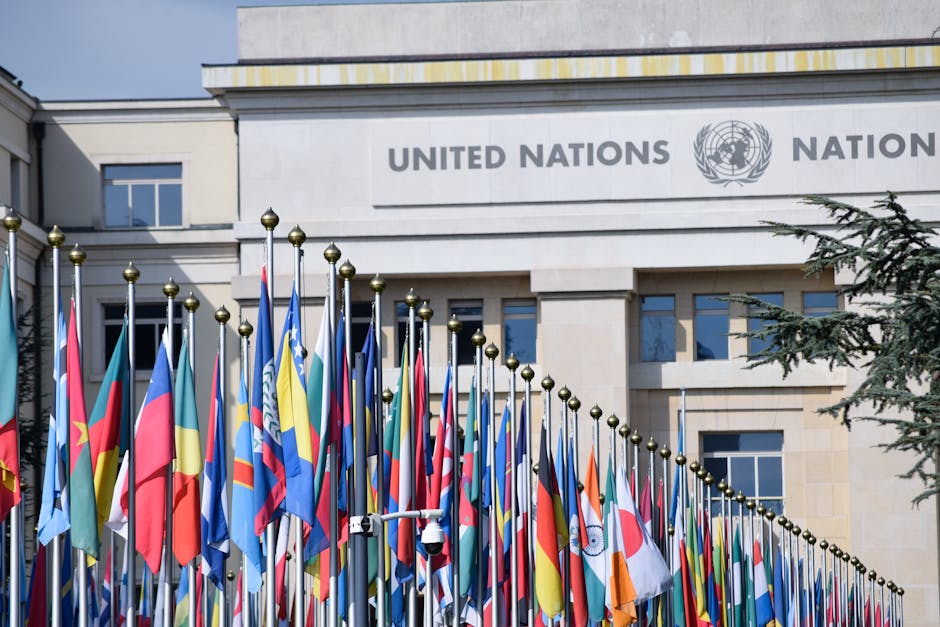
Economically and geopolitically, the world has shifted since the U.N.’s inception. The rise of emerging powers like China and India counters the historically Western-dominated paradigm. In fact, China’s GDP surpassed the European Union’s in 2020, a shift indicative of the growing power balance favoring Asia. Meanwhile, organizations such as NATO face waning cohesion, as evidenced by Europe’s divided stance on U.S.-imposed defense spending goals of 5% GDP per member country.
This disconnect has triggered debate about the relevance of multilateral institutions. Regional bodies such as the Non-Aligned Movement, once influential during the Cold War, have struggled to adapt to modern complexities, with economic protectionism and nationalism eroding global cooperation.
Shaping a Path Forward: Experts Weigh In
Experts argue that comprehensive reform is needed to prevent the collapse of multilateralism. Proposed actions include:
- Reforming the U.N. Security Council: An equitable restructuring to add new permanent members like India, Brazil, South Africa, and Japan would better represent today’s global political landscape. Additionally, rethinking veto mechanics, such as requiring two other concurring vetoes to block resolutions, could prevent unilateral deadlocks.
- Reinvigorating Regional Collaboration: African initiatives like the African Continental Free Trade Area (AfCFTA) could serve as blueprints for other regions to prioritize economic integration over nationalistic policies.
- Counteracting Protectionism: Thought leaders emphasize strong bilateral and multilateral trade agreements as tools to secure global economic stability amid geopolitical fragmentation.
Harvard International Relations Professor Elise Mendez notes, “The dominance of ‘might is right’ over collective action threatens not only peace but global economic growth. The lack of a unified strategy will lead to fragmented policies that fail both developing and developed nations alike.”
Can Multilateralism Survive in Today’s World?

The road ahead is challenging, and time is critical. If global governance remains unreformed, experts predict further divisions across political and economic blocs by 2030. However, historical precedent shows the danger of neglecting systemic problems — from financial crises to escalated global conflicts. Reforming the U.N. and embracing new alliances beyond traditional Western powers may yet reverse the decline.
What do you think? Can global powers agree on a collective path forward, or is the era of a cohesive global system behind us?