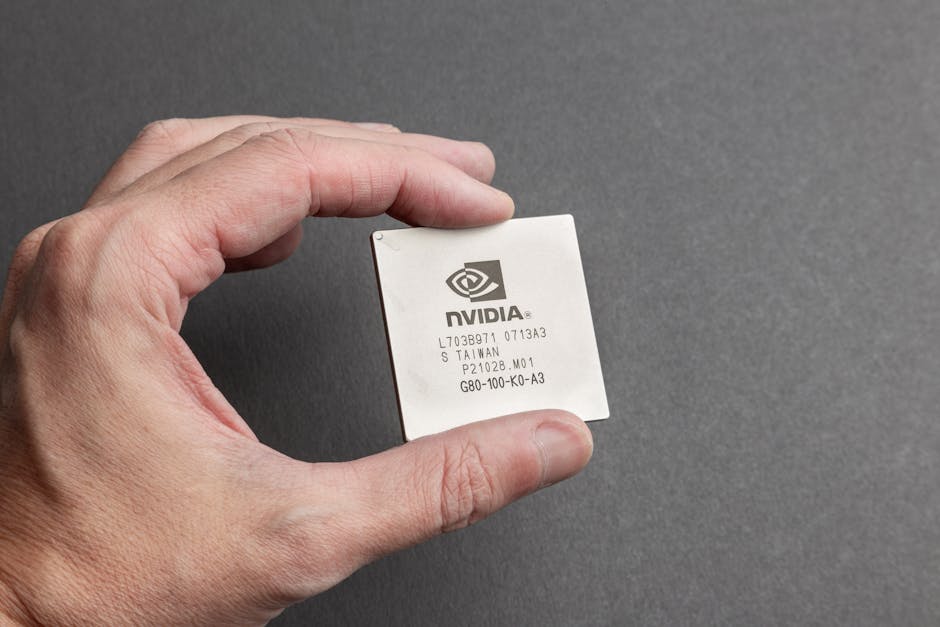
Why Choosing the Right eSIM Provider Matters for Travel Connectivity
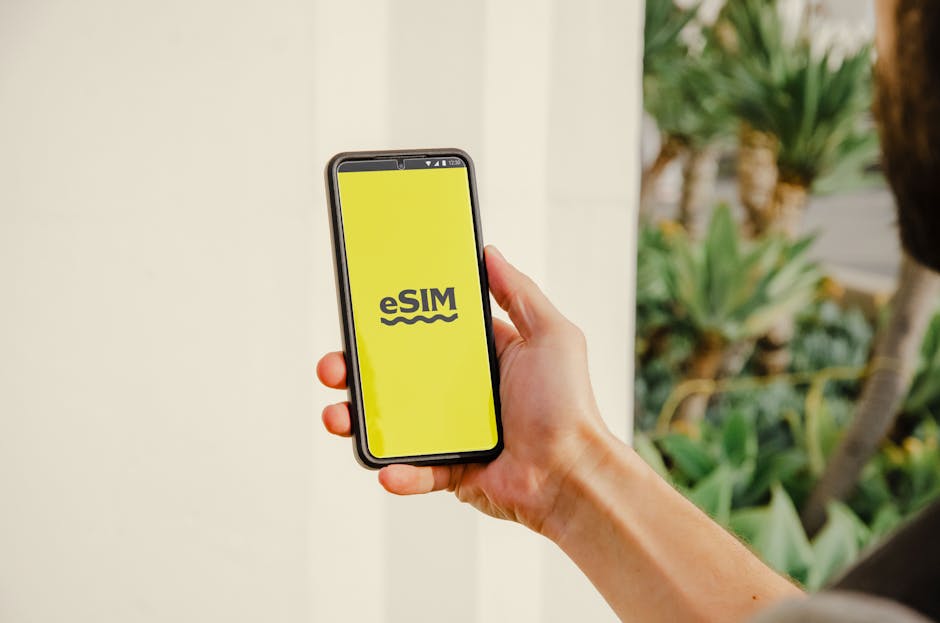
The Rise of eSIMs: A New Era of Mobile Connectivity

Pexels
The modern traveler is often on the hunt for seamless connectivity, and eSIMs have emerged as a game-changer. These digital, chipless SIM cards promise quick activation, global coverage, and freedom from the hassle of swapping physical SIM cards. It sounds like a dream come true for digital nomads, business travelers, and vacationers alike. But as the eSIM market grows exponentially, it becomes increasingly challenging to separate the reliable providers from those offering subpar services. This burgeoning market is dotted with cookie-cutter providers who simply rebrand existing services without adding value, leaving consumers unaware of what they’re truly getting into.
Transparency and Trust: The Pillars of a Good eSIM Provider

Pexels
When selecting an eSIM provider, transparency is crucial. Many services advertise enticing features like “global coverage” or “cheap travel data” but fail to disclose critical information, such as the networks they use or the limitations of their plans. Reputable providers, however, inform users upfront about their partner networks, ensuring consistent and reliable connections. The best providers partner with Tier 1 carriers such as Vodafone, Orange, or T-Mobile to deliver superior speeds and robust coverage. On the contrary, some companies rely on generic virtual networks with higher latency and throttled speeds, jeopardizing the user experience.
Long-Term Plans Versus Disposable Options

Pexels
Another aspect to consider is the flexibility of the plans offered. While some plans expire within just 7 or 15 days, this isn’t ideal for long-term travelers, digital nomads, or professionals on extended assignments. Reliable providers offer a variety of options, including 30-day, 90-day, or even year-long packages. Pay-as-you-go and top-up features are particularly convenient, reducing the need to scramble for a new QR code every time your plan runs out. This ensures that your safety net—your mobile connectivity—doesn’t unexpectedly vanish mid-trip.
Customer Support: A Feature You Can’t Compromise On

Pexels
Good customer support often makes the difference between a frustrating and a seamless eSIM experience. Reliable providers ensure their support teams are accessible via multiple channels such as live chat, email, and phone. Top-notch providers go a step further, offering 24/7 support with representatives who can resolve issues promptly. Poor customer service is a tell-tale sign of unreliable providers, leaving users stranded without a solution if issues arise during their travels.
Innovation and User Experience: The Yesim Advantage

Pexels
Emerging as one of the more reliable players in the eSIM market, Yesim sets itself apart by focusing on transparency, usability, and service quality. Unlike many competitors that merely resell services and lack meaningful infrastructure, Yesim is dedicated to building a platform that prioritizes user needs. Their onboarding process is straightforward, allowing users to set up their eSIM in less than two minutes without technical hassles. Additionally, Yesim offers long-term and globally consistent plans, ensuring travelers remain connected no matter where they go.
Final Thoughts: How to Choose the Best eSIM Provider

Pexels
The eSIM market is growing rapidly, but not all providers are created equal. When selecting a provider, look beyond flashy marketing promises. Investigate their network partnerships, the clarity of their plans, and the accessibility of their customer support. Ask yourself fundamental questions: Does the provider guarantee Tier 1 networks? Are their plans adaptable for long-term use? What happens if something goes wrong? Providers like Yesim are leading the charge in offering reliable, transparent, and user-friendly services, setting a gold standard for the rest of the industry. Don’t settle for temporary or questionable connectivity—choose a partner you can trust.