Egypt Partners with Orange Egypt to Revolutionize Telemedicine in Remote Areas
According to Developing Telecoms, Egypt’s Ministry of Communications and Information Technology (MCIT) has signed a pivotal memorandum of understanding (MoU) with Orange Egypt to expand telemedicine services to underserved and remote areas. The initiative, with funding provided by Orange Egypt’s corporate social responsibility (CSR) programs, is set to develop scalable, integrated digital healthcare solutions across the country.
Strategic Expansion of Digital Healthcare in Egypt

The Digital Transformation for Sustainable Development in Egypt (DT4SDE) project forms the backbone of this partnership. Under the MoU, digital medical units will be linked to central hospitals, university centers, and specialized facilities. These units will leverage telemedicine technologies to enable services such as on-the-ground consultations, initial medical screenings, remote diagnosis, and knowledge sharing among healthcare professionals—all with a focus on underserved governorates.
The MoU specifies that mobile telemedicine units will operate in partnership with civil society organizations and medical convoys. These units are aimed at increasing access for priority groups, delivering awareness campaigns, and ensuring efficient referrals for critical cases. Over the two-year duration of the project, MCIT will facilitate operational oversight, capacity building, and technical training for healthcare personnel.
Orange Egypt’s significant CSR investment will ensure transparency and governance in equipping digital healthcare units while deploying training and awareness programs to bolster the initiative’s impact.
Why This Matters: Telemedicine as a Game-Changer in the Middle East and Africa
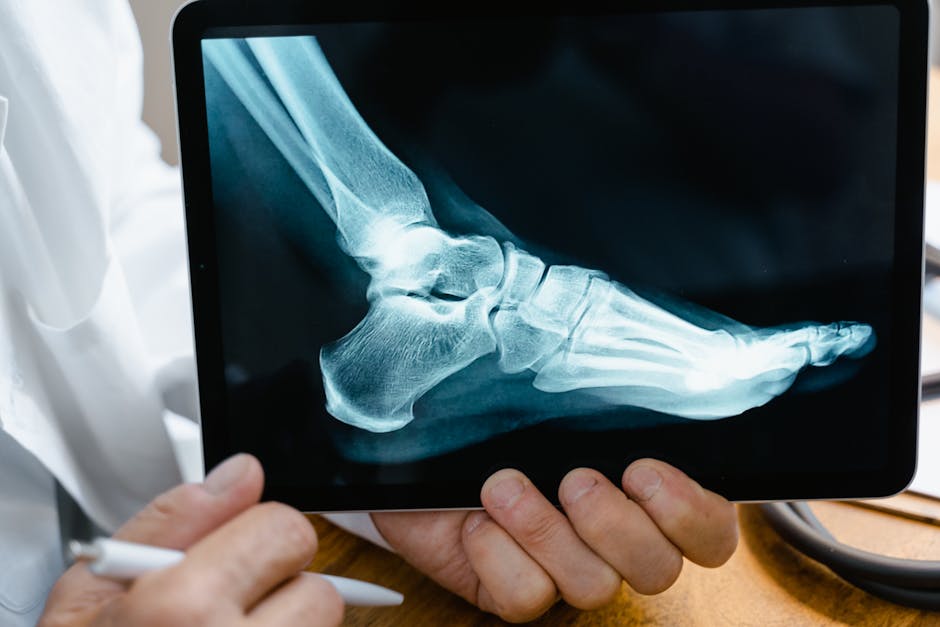
Egypt’s expansion of telemedicine epitomizes a growing shift in the Middle East and Africa toward digital healthcare solutions aimed at reducing inequalities and improving accessibility. According to GlobeNewswire, the global telemedicine market is expected to grow at a compound annual growth rate (CAGR) of 26.6%, reaching $396.76 billion by 2027. As rural regions often face a disproportionate lack of healthcare access, initiatives like this not only address inequities but also align with global sustainability goals.
This partnership aligns with Egypt’s broader national digital transformation strategy and its commitment to achieving universal healthcare access. The deployment of cutting-edge technologies reduces pressure on hospitals by enabling remote diagnostics and early interventions, minimizing unnecessary hospital admissions.
The collaboration also positions Orange Egypt as a prominent partner in implementing socially impactful tech-based solutions, potentially setting an example for other telecom operators in the region.
What the Future Holds: Insights and Industry Impacts

Experts predict that scaling telemedicine solutions in Egypt could shift patient care paradigms, particularly in deprived rural areas where improvised healthcare has long been the standard. By evolving the infrastructure for remote medical services, the government is poised to address systemic challenges like shortages of medical professionals and logistical inefficiencies in hospital-based care delivery.
The telecom sector is playing a pivotal role in this transformation. Orange Egypt’s participation underscores an industrywide trend of telecom companies going beyond traditional connectivity to become facilitators of digital advancement in sectors such as healthcare, education, and agriculture.
Competitors like Vodafone Egypt or Etisalat may soon adopt similar initiatives to emphasize their role in bridging the digital divide while staying competitive in the CSR and telecom-health convergence space. Opportunities could also arise for global tech players and VC investors to enter Egypt’s bourgeoning telehealth sector and partner with key stakeholders.
Final Thoughts: Scaling Digital Healthcare Access

Egypt’s partnership with Orange Egypt marks a significant milestone in advancing equitable healthcare through digital innovation. By empowering underserved areas with telemedicine services, the initiative promises to redefine how healthcare is delivered in remote settings for years to come.
Do you think Egypt’s telemedicine model could be successfully replicated in other countries across the region? Share your thoughts in the comments below.