Comprehensive Guide to eSIM-Compatible Devices in 2026
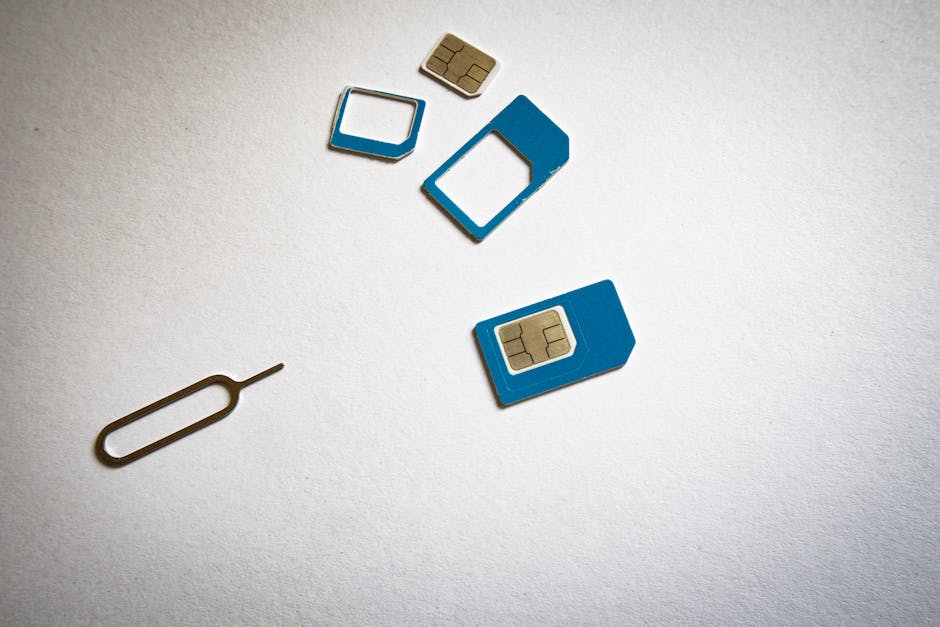
The global shift toward eSIM technology is transforming the telecom world, presenting unparalleled convenience for both consumers and enterprises. By 2030, nearly 76% of all smartphone connections are expected to be eSIM-based, representing approximately 6.7 billion devices worldwide. This technology, which eliminates the need for physical SIM cards by integrating directly into device hardware, allows users to toggle between mobile carriers with ease. With this groundbreaking advancement, devices like smartphones, wearables, and even cars are now taking advantage of eSIM functionality, setting the stage for a digitally connected future.
Comprehensive List of eSIM-Compatible Devices for 2026

Pexels
The expansion of eSIM support has led to a robust ecosystem of devices. Apple remains at the forefront with its eSIM-only iPhone models becoming a global standard. Popular eSIM-compatible smartphones include the iPhone XS series and newer, the Galaxy S20 series and beyond, and Google’s Pixel 4 onward. Additionally, upcoming releases like the iPhone 17 series and Galaxy Z Fold 6 are shaping expectations for the eSIM-ready market in 2026.
Beyond smartphones, other categories like tablets, laptops, smartwatches, and even gaming consoles are adopting this innovative technology. Devices such as the iPad Pro (third generation and later), Surface Pro 10, and even smartwatches like the Apple Watch Series 7 and beyond exemplify how eSIM is becoming a standard feature. Automotive and IoT devices are also increasingly featuring eSIM compatibility, creating seamless, connected ecosystems in industries such as healthcare, smart cities, and transportation.
Driving Forces Behind eSIM Adoption

Pexels
Several factors are accelerating eSIM adoption. For mobile operators, eSIM reduces logistical challenges associated with physical SIM cards, streamlines customer onboarding, and lowers operational costs. Consumers benefit from instant connectivity activation, the flexibility to switch carriers, and the convenience of multiple numbers on a single device. Meanwhile, manufacturers leverage eSIM to design more space-efficient devices, enhancing product features like waterproofing and durability.
The rise of 5G and AI-driven applications has further boosted the use of eSIM in IoT deployments, enabling smarter devices and improved data management. For travelers, eSIM offers unparalleled convenience with instant profile switching for international roaming. In connected vehicles, over-the-air updates and seamless integration of infotainment systems simplify the user experience, marking a significant evolution in automotive technology.
The Future of eSIM Technology

Pexels
As we progress through 2026, eSIM technology is swiftly becoming a standard feature rather than a premium option. This widespread adoption is expected to drive innovation across multiple industries. Device manufacturers will continue integrating eSIM functionality into a broader range of products, from smartphones to drones. Enterprises will find new opportunities for scalable IoT deployment, while consumers will benefit from increasingly automated and efficient connectivity solutions.
The eSIM revolution is more than a technological upgrade; it represents the next step in global connectivity. With industry giants like Apple, Samsung, and Google leading the way and sectors like automotive and wearables embracing this transition, the future of eSIM promises enhanced flexibility, reduced barriers, and a truly interconnected world for all.