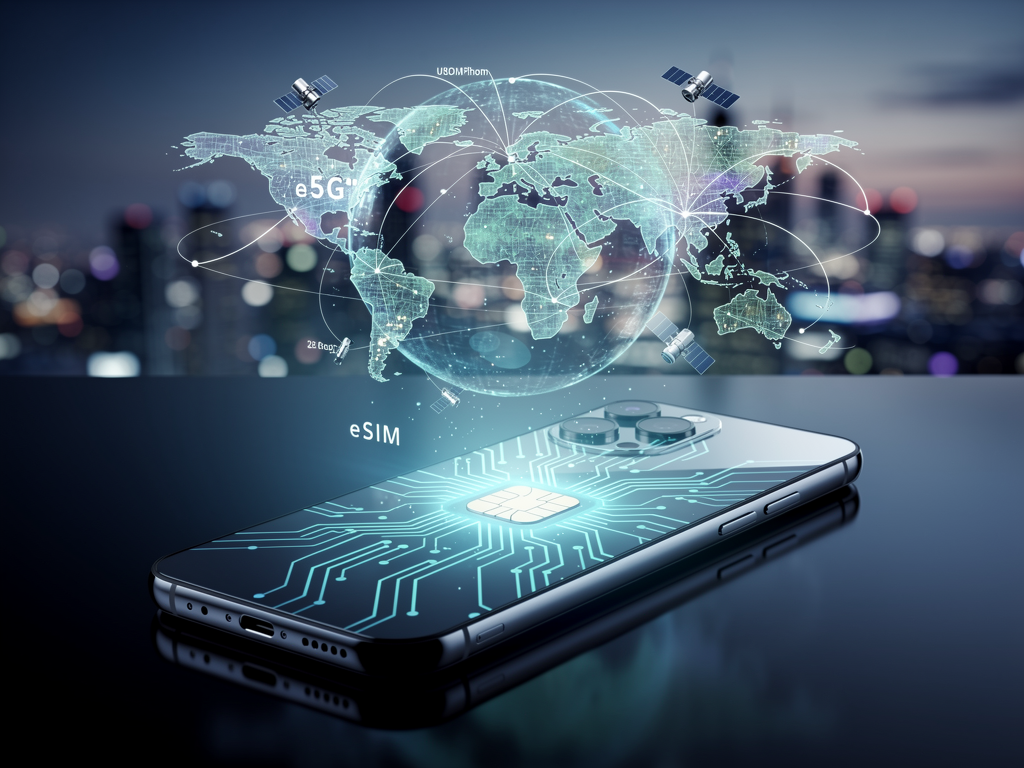
The Rise of eSIM Technology in Modern Connectivity
The landscape of device connectivity is undergoing a seismic shift, largely driven by the rapid adoption and innovation surrounding eSIM technology. Moving beyond the traditional physical SIM card, eSIMs, or embedded SIMs, represent a fundamental change in how devices connect to cellular networks. This digital evolution is not just a minor upgrade; it’s a paradigm shift that promises greater flexibility, enhanced security, and a more streamlined user experience for consumers and businesses alike. As more devices, from smartphones and smartwatches to laptops and IoT sensors, integrate this technology, understanding its implications is crucial for anyone involved in modern connectivity.
The journey from bulky plastic cards to tiny embedded chips signifies a move towards miniaturization and increased efficiency in device design. Early mobile phones required full-sized SIM cards, which gradually shrunk over generations to nano-SIMs. The eSIM takes this a step further by eliminating the physical card slot altogether, embedding the chip directly onto the device’s motherboard. This allows manufacturers to create smaller, more robust, and often waterproof devices, opening up new design possibilities. Furthermore, the ability to remotely provision and manage network profiles transforms the user experience, making switching carriers or adding new devices simpler than ever before.
This article delves into the core aspects of eSIM technology, exploring its advantages, the challenges it presents, and its burgeoning role across various sectors. We will examine how the rise of eSIM is reshaping the telecommunications industry and what it means for the future of how we connect. By understanding the nuances of this technology, you can better prepare for the connected world that is rapidly unfolding around us.
Key Takeaways
- eSIM technology embeds a digital SIM directly into a device, eliminating the need for physical cards.
- It offers enhanced flexibility, allowing users to switch carriers remotely without changing SIM cards.
- eSIMs enable smaller, more robust device designs and support multiple network profiles simultaneously.
- The technology is crucial for the growth of IoT, wearables, and dual-SIM functionality in smartphones.
- While offering significant benefits, challenges like device compatibility and initial setup complexity exist.
- eSIM adoption is accelerating, driven by major device manufacturers and mobile network operators.
What Exactly is eSIM Technology?
At its heart, eSIM technology is a digital evolution of the traditional Subscriber Identity Module (SIM) card. Instead of a removable plastic card containing your network credentials, an eSIM is a small chip permanently embedded within your device’s hardware, typically soldered directly onto the motherboard. This embedded chip can be remotely programmed to store multiple network operator profiles. Think of it like a virtual SIM card that can be activated and deactivated digitally, without any physical interaction required.
The process of activating an eSIM is significantly different from the traditional method. Users typically scan a QR code provided by their mobile network operator or use a specific app to download and install the network profile onto the eSIM chip. This profile contains all the necessary information, such as your unique identifier and network authentication keys, allowing your device to connect to the cellular network. Consequently, this digital provisioning streamlines the onboarding process, especially for new devices or when switching providers.
One of the most significant advantages of eSIM is its ability to hold multiple network profiles. This feature is particularly beneficial for frequent travelers or individuals who require separate lines for personal and business use. You can switch between these profiles easily through your device’s settings, often without needing a new physical SIM. This capability fundamentally changes how users manage their mobile connectivity, offering unprecedented convenience and flexibility compared to the limitations of physical SIM cards.
Advantages of eSIM Technology
The proliferation of eSIM technology is fueled by a compelling set of advantages that address limitations inherent in physical SIM cards. One of the most prominent benefits is the enhanced flexibility and convenience it offers users. With an eSIM, switching network providers or changing plans becomes a seamless digital process. Instead of visiting a store or waiting for a new SIM card to be delivered, you can often complete the activation within minutes through your device’s settings or a carrier’s app. This dramatically reduces friction for consumers and simplifies the logistics for businesses managing fleets of devices.
Furthermore, eSIM technology enables more compact and robust device designs. By eliminating the need for a physical SIM card slot, manufacturers can save valuable internal space, allowing for smaller devices, larger batteries, or improved water and dust resistance. This is particularly impactful for the burgeoning market of wearables, such as smartwatches and fitness trackers, where space is at a premium. For instance, the Apple Watch Series 7, with its advanced cellular capabilities, benefits immensely from the integrated eSIM, allowing for full connectivity without a bulky slot.
Another critical advantage lies in the security and management aspects. eSIMs are inherently more secure than physical SIMs, as they cannot be easily removed or transferred to another device if stolen. They also support enhanced remote management capabilities, allowing businesses to deploy, manage, and deactivate devices remotely, which is invaluable for large-scale IoT deployments. This remote provisioning and management reduce operational costs and improve security oversight. Moreover, the ability to store multiple profiles simplifies managing different international plans or work/personal lines on a single device.
Impact on Smartphones and Wearables
Smartphones have been at the forefront of eSIM adoption, with many flagship models now supporting this technology. The integration of eSIM allows for true dual-SIM functionality without requiring a physical dual-SIM tray, enabling users to have two different cellular plans active simultaneously on a single device. This is incredibly useful for balancing personal and work numbers, or for leveraging cheaper international roaming plans alongside a domestic one. For example, when traveling abroad, you can keep your primary number active via eSIM while using a local, more affordable data plan on the other line.
The impact on wearables is perhaps even more transformative. Devices like smartwatches, fitness trackers, and even hearables can now offer standalone cellular connectivity thanks to eSIM. This means users can make calls, send messages, stream music, and use data-dependent apps directly from their wrist without needing to carry their smartphone. This independence is a major selling point for devices designed for active lifestyles. Companies like Samsung with their Galaxy Watch series and Apple with their Apple Watch have heavily leveraged eSIM to provide this seamless, connected experience.
The trend is clear: as eSIM technology matures and becomes more widely supported, we will see an increasing number of smartphones and wearables prioritizing its integration. This shift allows for sleeker designs, better battery life, and enhanced functionality, ultimately leading to a more integrated and convenient mobile experience for consumers. The ease of switching carriers digitally also means consumers have more power to choose the best plans for their needs, fostering greater competition among mobile operators.
eSIM’s Role in the Internet of Things (IoT)
The Internet of Things (IoT) represents one of the most significant growth areas for eSIM technology. As the number of connected devices explodes into the billions, the logistical challenges of managing physical SIM cards for each device become insurmountable. eSIMs provide a scalable, efficient, and secure solution for connecting a vast array of IoT devices, from smart home appliances and industrial sensors to connected vehicles and agricultural monitors.
One of the primary benefits for IoT is the simplified device manufacturing and deployment process. Manufacturers can produce devices with pre-embedded eSIMs, ready to be activated remotely once deployed. This eliminates the need for manual SIM card insertion at the factory or by the end-user. Furthermore, the robust nature of eSIMs, being embedded within the device, makes them more resilient to harsh environmental conditions often encountered in industrial or outdoor IoT applications. Remote management capabilities also allow for effortless updates and reconfigurations of network profiles across thousands or even millions of devices.
Consider a fleet of smart meters deployed across a city. With traditional SIMs, each meter would require a physical card, potentially leading to installation delays and maintenance issues. Using eSIMs, these meters can be activated remotely upon installation, and their network profiles can be updated or changed by the utility provider as needed, without physical intervention. This efficiency translates into significant cost savings and improved operational agility. Will the scalability of eSIMs be enough to meet the demands of the projected 20 billion IoT devices by 2025?
Challenges and Future Outlook
Despite its numerous advantages, the widespread adoption of eSIM technology is not without its challenges. One significant hurdle is device and carrier compatibility. While major smartphone manufacturers have embraced eSIM, not all mobile network operators globally offer robust eSIM support. This can create fragmentation, where a device might support eSIM, but the user’s preferred carrier does not, or the activation process is cumbersome. Ensuring seamless interoperability across different devices, operating systems, and network providers remains an ongoing effort.
Another challenge relates to the initial setup and user experience. While generally simpler than dealing with physical SIMs, the digital nature of eSIM activation can be confusing for less tech-savvy users. The reliance on QR codes or specific apps requires a degree of digital literacy. Furthermore, if a user needs to switch devices, transferring their eSIM profile is not always as straightforward as popping a physical SIM into a new phone, although standards are improving. Addressing these user experience issues is crucial for broader consumer acceptance and trust in the technology.
Looking ahead, the future of eSIM technology is exceptionally bright. As global standards continue to evolve and more operators invest in eSIM infrastructure, compatibility issues are expected to diminish. The increasing demand for connected devices, particularly in the IoT and wearable sectors, will continue to drive innovation and adoption. We can anticipate eSIMs becoming the default connectivity solution for a wide range of devices, enabling a truly seamless and integrated connected experience. The ongoing development of features like eSIM-based device switching and enhanced security protocols will further solidify its position as a cornerstone of modern connectivity.
Conclusion
The rise of eSIM technology marks a pivotal moment in the evolution of modern connectivity. By replacing the traditional physical SIM card with an embedded, remotely programmable chip, eSIMs offer unparalleled flexibility, enhanced security, and enable more innovative device designs. From simplifying smartphone usage and powering advanced wearables to unlocking the full potential of the Internet of Things, eSIM is fundamentally reshaping how devices interact with cellular networks.
While challenges related to compatibility and user experience persist, the trajectory is clear. Driven by industry leaders and the ever-growing demand for seamless connectivity, eSIM adoption is accelerating globally. As you navigate the increasingly connected world, embracing eSIM technology will be key to leveraging the full capabilities of your devices and staying ahead of the curve in telecommunications innovation. Are you ready to experience the future of connectivity with eSIM?