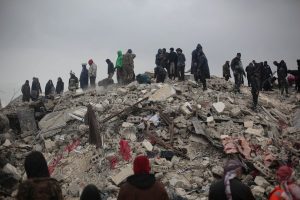
FCC Activates Disaster Response Networks as Winter Storm Fern Threatens Communications
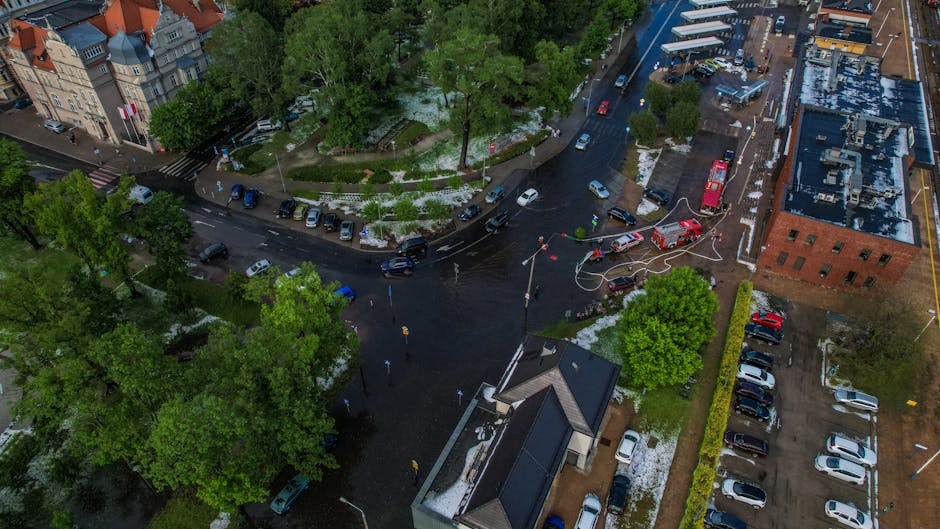
Winter Storm Fern is expected to disrupt communications services across 34 states this week, prompting the FCC and telecom providers to prepare mitigation strategies. According to a public notice released January 23, 2026, the FCC has activated its Disaster Information Reporting System (DIRS) and Mandatory Disaster Response Initiative (MDRI) in several southeastern states, including Alabama, Georgia, and Kentucky. With over 200 million people in the storm’s path, providers like AT&T, T-Mobile, Verizon, and Charter are also emphasizing the importance of satellite-based direct-to-device (D2D) messaging for emergencies.
FCC Implements DIRS and MDRI Requirements
The FCC requires facilities-based mobile wireless providers in affected areas to take specific measures under MDRI, including enabling roaming agreements, activating mutual aid arrangements, and enhancing municipal restoration efforts. Providers must also submit daily communications infrastructure updates to the DIRS platform until it is deactivated. These actions aim to ensure continuity of service and rapid recovery as the storm disrupts network operations.
The DIRS has been activated in seven states thus far, but the FCC noted that changes might be made as Winter Storm Fern progresses. According to The Weather Company, the storm poses significant risks with heavy snow and ice forecast from Arizona to New England, with impacts expected to linger into next week.
Telecom Providers Rely on Satellite Messaging and Emergency Deployments
AT&T, T-Mobile, Verizon, and Charter are emphasizing preparations, particularly the utility of D2D satellite messaging on compatible devices like iPhone 14 (via Globalstar) and Google Pixel 9 (via AST SpaceMobile). AT&T highlighted its network resilience efforts, which include staged generators, pretested battery backups, and emergency equipment for deployment. The company is also encouraging customers to conserve resources by prioritizing text-based communication and using satellite messaging when necessary.
Similarly, T-Mobile has staged network recovery assets and is actively promoting its T-Satellite service with Starlink, which enables texting and app access via satellite. T-Mobile also noted that satellite text-to-911 functionality is free for anyone with an eligible device, regardless of their service provider.
Verizon announced that its mobile asset fleet, comprising nearly 3,000 network units, is prepared to respond to outages. Additionally, it is leveraging partnerships with Skylo for satellite-enabled messaging in emergency scenarios. Charter emphasized the availability of Spectrum WiFi hotspots across the country and pledged rapid restoration efforts wherever feasible.
Market Context: Satellite Resilience Gains Traction

The rise of direct-to-device satellite messaging is reshaping disaster preparedness in the telecom industry. Analysts note that this technology, previously seen as niche, is becoming a critical tool for addressing network vulnerabilities during extreme weather events. Winter Storm Fern marks one of the most significant tests of large-scale satellite deployments, with providers like AST SpaceMobile, Globalstar, and Starlink taking center stage.
Industry observers point to a growing trend among carriers to integrate satellite redundancy into their networks, particularly as climate-related disasters intensify. The MDRI requirements, introduced in 2020, have further pressured major providers to formalize mutual aid arrangements and improve restoration strategies.
Looking Ahead: Strengthening Emergency Tech Infrastructure

Winter Storm Fern underscores the importance of resilient communications infrastructure in an era of increasingly frequent natural disasters. While the FCC’s DIRS and MDRI frameworks set clear expectations, the performance of emerging satellite-based services will likely shape future regulatory frameworks and investment priorities.
As satellite D2D technology matures, telecom providers may expand these partnerships to enhance public safety and maintain user connectivity, even in areas prone to severe disruptions. For consumers, the storm serves as a reminder to verify device compatibility with satellite services and prepare backup options.
How will Winter Storm Fern reshape the telecom industry’s approach to disaster recovery? Share your thoughts below.