Fiber Network Expansions in Africa: Igniting Digital Transformation
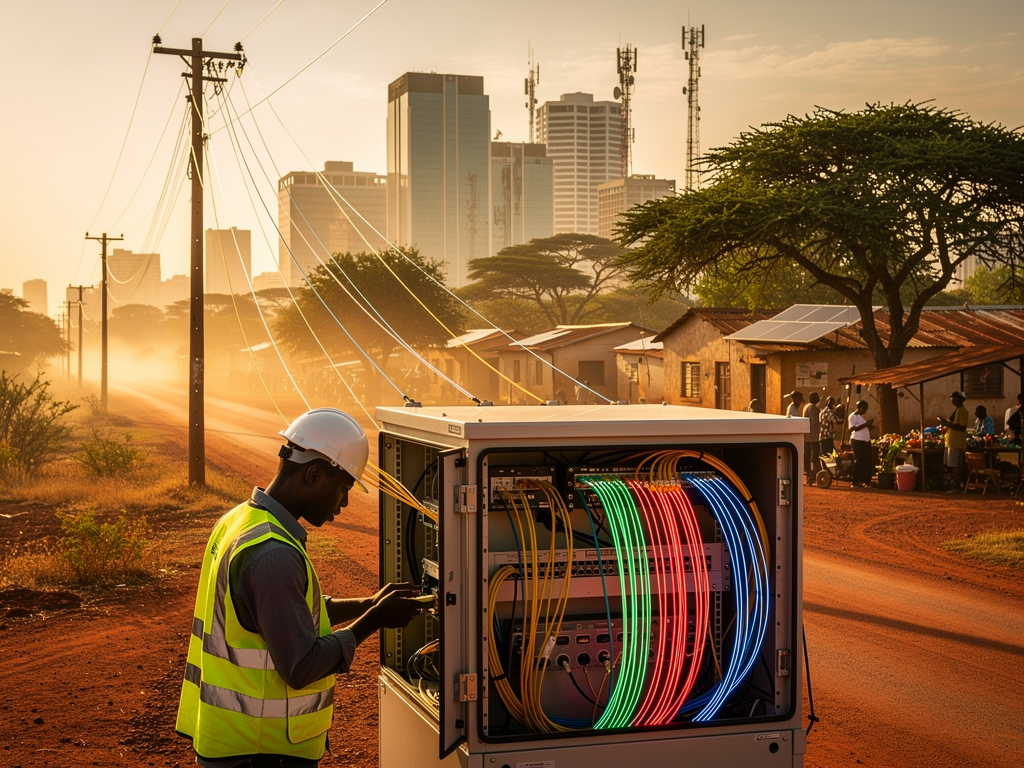
The continent of Africa is experiencing a profound digital transformation, largely propelled by significant fiber network expansions and new projects. Historically underserved by robust broadband infrastructure, many African nations are now prioritizing the development of high-speed internet connectivity. This surge in investment is not merely about faster downloads; it’s a critical enabler for economic growth, educational advancement, and improved healthcare services across the region. The strategic deployment of fiber optic cables, both terrestrial and subsea, is laying the foundation for a more connected and prosperous future for millions. Furthermore, these initiatives are attracting considerable international and local investment, signaling strong confidence in Africa’s digital potential.
The demand for reliable and high-speed internet is skyrocketing, driven by a growing mobile-first population, increasing urbanization, and the burgeoning digital economy. Businesses require stable connections for cloud services, e-commerce, and remote collaboration, while individuals seek enhanced access to online education, entertainment, and communication platforms. Fiber optics, with its superior capacity, speed, and reliability compared to older copper or wireless technologies, is the technology of choice to meet these escalating demands. Consequently, governments and private sector players are collaborating to overcome the unique challenges of deploying fiber across vast and diverse terrains.
This article delves into the current landscape of fiber network expansions in Africa, highlighting key projects, the driving forces behind this growth, and the expected impact on the continent’s digital future. We will explore the innovative approaches being adopted to overcome logistical hurdles and the crucial role these networks play in bridging the digital divide. Understanding these developments is essential for businesses, policymakers, and anyone interested in the trajectory of technology in Africa.
Key Drivers of Fiber Network Growth in Africa

Several interconnected factors are fueling the rapid expansion of fiber optic networks across Africa. A primary driver is the undeniable economic imperative; countries recognize that robust digital infrastructure is no longer a luxury but a prerequisite for competitiveness in the global economy. Enhanced connectivity facilitates foreign direct investment, supports the growth of local businesses, and creates new job opportunities in the tech sector and beyond. For instance, the rise of fintech, e-commerce, and remote work models are all heavily reliant on stable, high-bandwidth internet access, making fiber a strategic national asset.
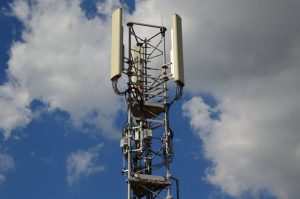
Another significant catalyst is the increasing adoption of mobile technology and the subsequent demand for better backhaul solutions. While mobile networks provide crucial last-mile connectivity, they require high-capacity fiber optic links to connect cell towers and data centers. As smartphone penetration continues to rise and data consumption per user escalates, the need for denser and more extensive fiber networks becomes paramount. This symbiotic relationship between mobile and fiber infrastructure development is a hallmark of Africa’s connectivity evolution. Moreover, the proliferation of data centers across the continent, driven by cloud computing adoption, further necessitates extensive fiber connectivity to handle the massive data flows.
Government initiatives and supportive regulatory frameworks also play a pivotal role. Many African governments have identified digital transformation as a key pillar of their national development strategies, leading to policies that encourage investment in broadband infrastructure. These include tax incentives, streamlined permitting processes, and public-private partnerships (PPPs) designed to de-risk investments and accelerate deployment. The commitment from national governments is crucial for overcoming the substantial capital expenditure required for large-scale fiber rollouts.
Major Fiber Optic Projects Transforming the Continent

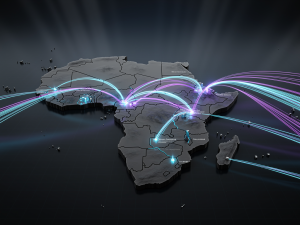
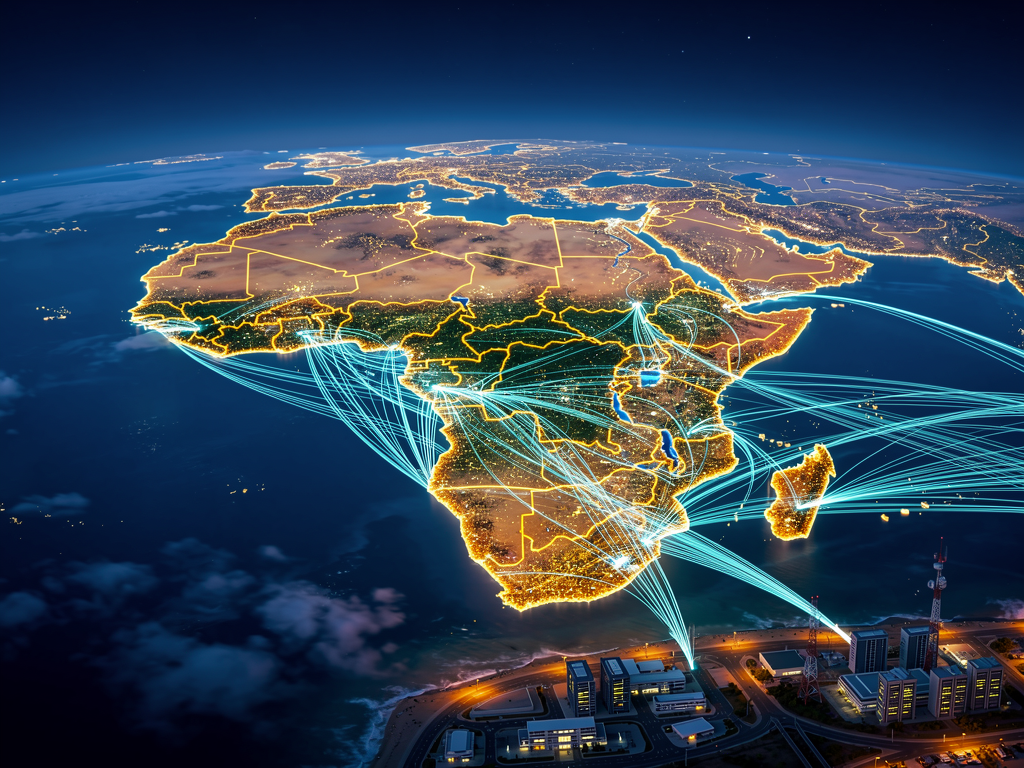
Africa’s connectivity landscape is being reshaped by ambitious fiber optic projects, encompassing both terrestrial backbone networks and vital subsea cable systems. These initiatives are crucial for increasing internet penetration, reducing data costs, and improving the quality of service across the continent. Subsea cables, in particular, have been instrumental in connecting Africa to the global internet backbone and enhancing intra-African connectivity, significantly boosting bandwidth availability and resilience. Projects like Equiano, 2Africa, and PEACE are already making substantial impacts, bringing much-needed capacity to coastal nations and enabling onward terrestrial distribution.
On the terrestrial front, numerous projects are focused on building out national and regional fiber backbones. Companies like Liquid Intelligent Technologies (formerly Liquid Telecom) have been pioneers, establishing extensive cross-border fiber networks spanning multiple countries in Southern, Eastern, and Central Africa. These networks serve as the arteries for digital traffic, connecting major cities, business hubs, and, increasingly, extending towards smaller towns and rural areas. The challenge remains in the “last mile” connectivity, but the presence of these robust backbones is a critical prerequisite for any last-mile solution, whether fiber-to-the-home (FTTH), fixed wireless, or enhanced mobile broadband.
Furthermore, initiatives focused on deploying fiber within cities and metropolitan areas are gaining momentum. The push for Fiber-to-the-Home (FTTH) and Fiber-to-the-Business (FTTB) is driven by the demand for ultra-high-speed broadband services. Municipalities and private operators are investing in dense urban fiber networks to support smart city initiatives, high-definition streaming, and advanced digital services. For instance, deployments in cities like Nairobi, Lagos, and Cape Town are significantly improving the digital experience for residents and businesses in those urban centers.
Overcoming Challenges in African Fiber Deployment
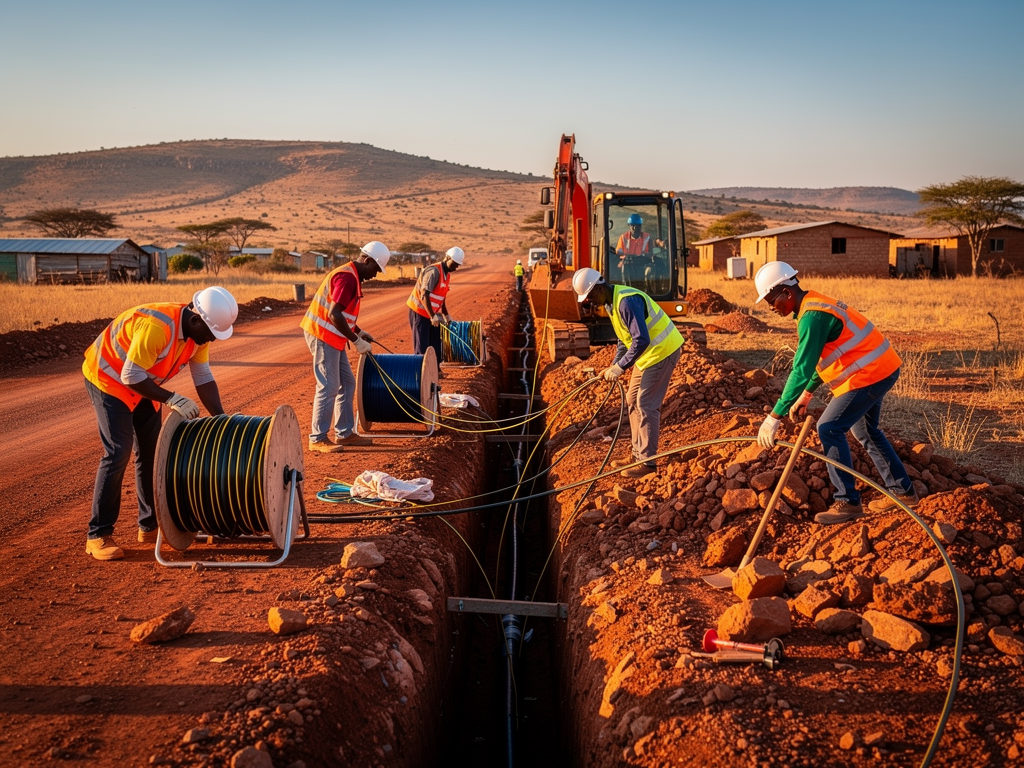
Despite the rapid progress, deploying fiber optic networks across Africa presents a unique set of challenges. The sheer geographic scale of the continent, coupled with diverse terrains ranging from dense urban centers to vast deserts and challenging landscapes, makes physical infrastructure deployment complex and expensive. Securing rights-of-way, navigating bureaucratic hurdles, and dealing with varying regulatory environments across different countries add layers of difficulty. Furthermore, the high upfront capital investment required for fiber projects often necessitates international partnerships and significant risk mitigation strategies.
Another significant hurdle is the issue of digital infrastructure access and affordability, particularly in rural and underserved areas. While major projects focus on connecting key economic hubs, extending fiber to remote communities remains a daunting task due to lower population density and reduced commercial viability. This necessitates innovative deployment models, such as open-access networks, where infrastructure is built by one entity and leased to multiple service providers, thereby reducing costs and encouraging competition. Public-private partnerships are also vital for bridging the infrastructure gap in areas where commercial investment alone is insufficient.
Security and maintenance of the deployed infrastructure also pose ongoing concerns. Vandalism, theft of equipment, and accidental damage during construction or other activities can disrupt services and incur significant repair costs. Ensuring the long-term operational integrity of these vital networks requires robust security measures, effective maintenance strategies, and rapid response teams. What innovative solutions are being employed to protect these critical assets in challenging environments?
The Impact of Enhanced Connectivity on Economic and Social Development

The expansion of fiber networks across Africa is a powerful catalyst for socio-economic development. Improved internet access directly translates into enhanced educational opportunities, enabling students and educators to utilize online learning resources, participate in virtual classrooms, and access a wealth of information previously unavailable. This is particularly crucial for bridging educational disparities between urban and rural areas. For instance, initiatives providing digital learning platforms powered by reliable fiber connectivity are transforming schooling in many communities.
Furthermore, the availability of high-speed internet significantly boosts economic activity. It empowers entrepreneurs to launch and scale digital businesses, facilitates access to global markets for local producers, and enhances the efficiency of existing industries through cloud adoption and digital workflows. The growth of the gig economy and remote work opportunities is also directly linked to the availability of dependable broadband. Reliable connectivity enables participation in the global digital marketplace, fostering innovation and creating new avenues for income generation. Consequently, the economic multiplier effect of fiber investment is substantial.
Healthcare services also stand to benefit immensely. Telemedicine, powered by high-bandwidth fiber connections, allows for remote consultations, diagnostics, and specialist access, particularly benefiting remote or underserved populations. This can lead to faster diagnoses, reduced travel burdens for patients, and more efficient healthcare system management. The ability to transfer large medical imaging files quickly and reliably is a game-changer for medical professionals across the continent.
Future Outlook: Continued Expansion and Emerging Trends

The trajectory for fiber network expansions in Africa points towards continued and accelerated growth in the coming years. As the economic and social benefits become increasingly evident, both public and private sectors are likely to deepen their investments. We can anticipate a greater focus on expanding networks beyond major urban centers into Tier 2 and Tier 3 cities, and eventually, into rural communities, albeit through more innovative and cost-effective deployment strategies. The digital divide, while still significant, is expected to narrow as these efforts mature.
Emerging trends such as the integration of 5G mobile networks will further drive fiber demand. 5G technology relies heavily on a dense fiber optic infrastructure for its backhaul and core network, meaning the rollout of 5G services will inherently spur further fiber deployment. Additionally, the increasing adoption of cloud computing, the Internet of Things (IoT), and the development of data centers will continue to necessitate higher bandwidth and lower latency, reinforcing the central role of fiber optics. The development of more pan-African data exchange points will also encourage local traffic routing, reducing reliance on expensive international links.
Moreover, advancements in fiber deployment technologies, such as micro-trenching and aerial deployment, along with innovative financing models and open-access frameworks, will help to reduce costs and accelerate rollout timelines. The focus will likely shift towards maximizing the utilization of existing fiber infrastructure and ensuring equitable access across the continent. Ultimately, the ongoing fiber network expansions in Africa are foundational to realizing the continent’s full digital potential, promising a future of increased connectivity, innovation, and shared prosperity.
The Role of Open Access Networks
Open access networks represent a significant model for accelerating fiber deployment, particularly in challenging markets like parts of Africa. In an open-access model, a neutral third party builds and operates the fiber infrastructure, making it available on a wholesale basis to multiple retail service providers. This approach prevents infrastructure duplication, reduces the cost of service delivery, and fosters competition among service providers, ultimately benefiting end-users with better services and potentially lower prices. For instance, companies are exploring open-access fiber initiatives in several African countries to encourage widespread adoption and affordability.
Bridging the Rural Digital Divide
Addressing the rural digital divide remains a critical challenge, but one that is being tackled with increasing focus. Strategies include leveraging government subsidies, exploring satellite-to-fiber integration, and utilizing community-based deployment models. The goal is to ensure that the benefits of high-speed internet are not confined to urban centers but reach all citizens, enabling equitable participation in the digital economy and society. Innovative solutions are crucial for making rural connectivity economically viable and sustainable in the long run.
Conclusion: A Connected Future for Africa
The ongoing fiber network expansions and new projects across Africa represent a pivotal chapter in the continent’s development story. These investments are not just about infrastructure; they are about unlocking human potential, fostering economic growth, and building a more inclusive digital society. While challenges persist, the commitment from governments, private sector players, and international partners is driving unprecedented progress. As fiber networks continue to spread, they will undoubtedly serve as the bedrock for innovation, education, healthcare, and economic prosperity for generations to come, truly connecting Africa to the global digital future.