Fiber Network Expansions in Africa: Powering the Digital Revolution
The digital revolution is sweeping across the globe, and Africa is no exception. At the forefront of this transformation are significant fiber network expansions and new projects aimed at dramatically improving internet connectivity across the continent. Historically, many African nations have grappled with inadequate and expensive internet access, largely due to a lack of robust terrestrial infrastructure and reliance on expensive satellite solutions. However, a surge in investment and innovative deployment strategies is rapidly changing this narrative. These ambitious projects are not merely about faster download speeds; they represent a fundamental shift towards greater digital inclusion, economic empowerment, and enhanced access to education and healthcare for millions.
The strategic importance of fiber optics cannot be overstated in connecting a continent as vast and diverse as Africa. Unlike older copper-based technologies or even wireless solutions, fiber optic cables offer unparalleled bandwidth, lower latency, and greater reliability, making them the backbone of modern digital economies. Governments, private sector players, and international development organizations are increasingly recognizing this potential, leading to a coordinated push for widespread fiber deployment. This article delves into the current landscape of fiber network expansions and new projects in Africa, examining the key drivers, challenges, and the profound impact these developments are expected to have.
The Driving Forces Behind Africa’s Fiber Boom
Several interconnected factors are fueling the current wave of fiber network expansions and new projects in Africa. A primary driver is the burgeoning demand for data, spurred by a rapidly growing, youthful population that is increasingly adopting smartphones and digital services. This demographic shift creates immense pressure on existing networks, highlighting the urgent need for high-capacity infrastructure. Furthermore, the rise of digital services, including mobile banking, e-commerce, and online education platforms, necessitates reliable and fast internet connectivity, which only fiber can consistently provide. Businesses, too, are demanding better connectivity to compete globally and leverage cloud-based solutions, further accelerating the push for fiber.
In addition to market demand, supportive government policies and increased foreign direct investment are playing crucial roles. Many African governments have identified digital transformation as a key pillar of their national development strategies, implementing policies that encourage infrastructure investment and streamline regulatory processes. For instance, initiatives like the National Broadband Plans in countries such as Nigeria and South Africa aim to create an enabling environment for fiber deployment. Simultaneously, international organizations and private equity firms are channeling significant capital into the sector, recognizing the long-term economic returns and the potential for social impact. This influx of funding is critical for financing the large-scale, capital-intensive projects required to build out extensive fiber networks across the continent.
Key Fiber Optic Projects Transforming Connectivity
Across the continent, numerous groundbreaking fiber optic projects are underway, each contributing to a more interconnected Africa. One significant area of focus has been the expansion of metropolitan fiber networks, often referred to as “last-mile” connectivity, within major cities. Companies like Liquid Intelligent Technologies (formerly Liquid Telecom) have been instrumental in building extensive fiber rings in cities across East, Southern, and Central Africa, providing high-speed internet to businesses and data centers. These urban networks serve as crucial hubs, connecting end-users to the broader national and international networks.
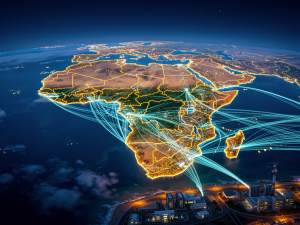
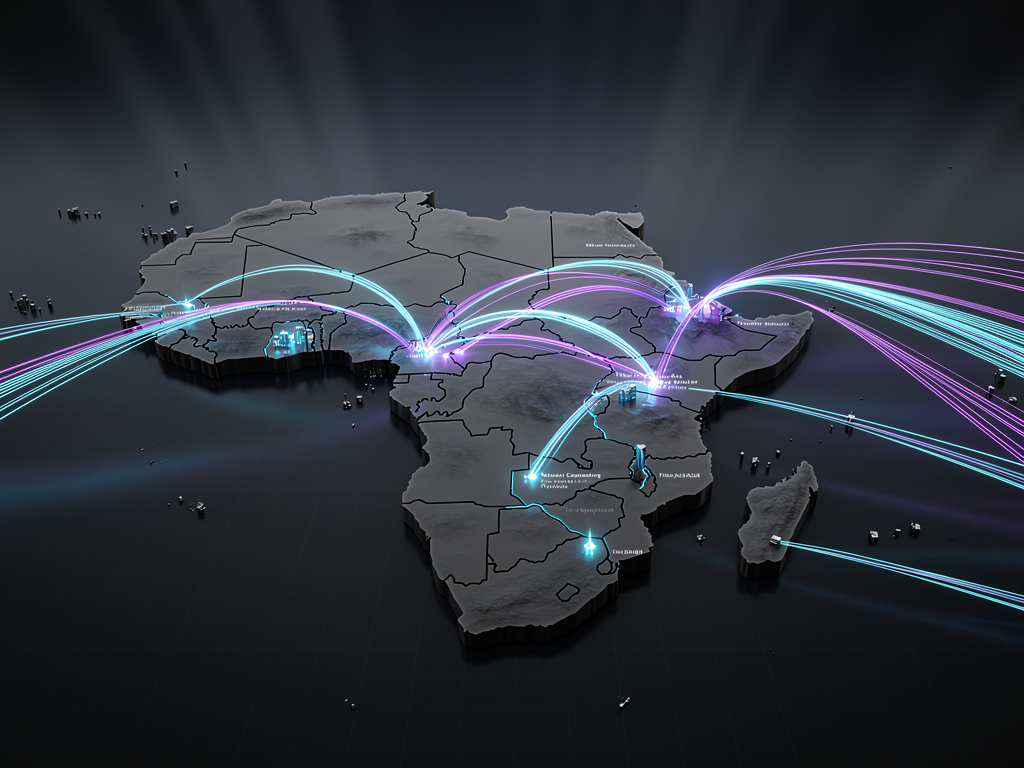
Beyond urban centers, there’s a concerted effort to extend fiber infrastructure into underserved rural and remote areas. Projects funded by development banks and governments often focus on building national long-distance backbone networks that can then be leveraged for last-mile extensions. For example, the ongoing development of sub-sea cable landing stations and the associated terrestrial backhaul networks are critical. Projects like the Equiano cable by Google and the 2Africa cable system, involving multiple partners, are landing in various African countries, promising to significantly boost international bandwidth capacity. These submarine cables are vital arteries, but their impact is maximized only when connected to robust terrestrial fiber networks reaching inland populations.
Sub-Saharan Fiber Backbone Initiatives
Several ambitious projects are specifically targeting the creation of extensive fiber optic backbones across sub-Saharan Africa. These initiatives aim to bridge the vast distances and connect landlocked countries, overcoming geographical challenges. For instance, multi-country projects often involve consortia of telecom operators and infrastructure providers working collaboratively to lay fiber along existing transport corridors, such as roads and railways. These backbone networks are essential for aggregating traffic from metropolitan areas and connecting them to international gateways, thereby reducing reliance on more expensive satellite backhaul options.
The economic rationale for these backbone projects is compelling. By providing affordable, high-capacity connectivity, they enable the growth of digital services, support the expansion of mobile networks (which increasingly rely on fiber backhaul), and attract investment in sectors ranging from IT outsourcing to digital media. The success of these large-scale infrastructure undertakings often hinges on effective public-private partnerships, where governments provide right-of-way access and security, while private companies manage the deployment and operation of the fiber assets. This collaborative approach is proving effective in accelerating the pace of fiber deployment in challenging environments.
Challenges and Opportunities in Fiber Deployment
Despite the rapid progress, deploying fiber optic networks across Africa is not without its hurdles. Fiber network expansions and new projects face significant challenges, including the sheer geographical scale of the continent, diverse regulatory environments across different countries, and the high upfront capital investment required. Securing rights-of-way can be a complex and time-consuming process, often involving multiple government agencies and local authorities. Furthermore, the security of fiber infrastructure, particularly in remote areas, can be a concern, with vandalism and theft posing risks to service continuity.
Moreover, the availability of skilled labor for installation, maintenance, and operation of fiber networks is another critical factor. Training local workforces is essential for the long-term sustainability of these projects. However, these challenges are accompanied by immense opportunities. The digital divide in Africa remains vast, meaning the potential market for reliable internet services is enormous. As fiber networks expand, they unlock new economic opportunities, fostering innovation and creating jobs in sectors that were previously constrained by poor connectivity. The decreasing cost of fiber optic technology and innovative deployment methods, such as aerial fiber deployment in some areas, are also helping to make projects more financially viable.
The Impact of Enhanced Fiber Connectivity
The expansion of fiber optic networks is poised to have a transformative impact on various sectors across Africa. In education, high-speed internet enables access to online learning resources, remote teaching capabilities, and digital collaboration tools, bridging geographical barriers to quality education. For healthcare, fiber connectivity facilitates telemedicine services, remote diagnostics, and efficient management of health records, particularly crucial for reaching populations in remote areas. The economic implications are equally profound, as improved connectivity fuels the growth of the digital economy, attracts foreign investment, and enables local businesses to participate more effectively in global markets.
Furthermore, enhanced fiber infrastructure supports the development of smart cities, improves the efficiency of logistics and transportation, and empowers citizens through greater access to information and government services. As more people gain access to reliable and affordable internet, the potential for innovation and entrepreneurship skyrockets. This digital transformation is not just about technology; it’s about creating a more equitable and prosperous future for the continent. The ongoing fiber network expansions and new projects are laying the essential groundwork for this future, connecting communities and unlocking unprecedented opportunities.
Future Outlook and Innovations
The future of fiber optic connectivity in Africa looks exceptionally bright, driven by continued investment and technological innovation. We can anticipate further expansion of sub-sea cables, connecting more countries to the global internet backbone and increasing redundancy. Terrestrial backbone networks will continue to grow, reaching deeper into the continent and connecting more towns and villages. The focus will increasingly shift towards innovative deployment techniques to reduce costs and speed up rollout, such as leveraging existing infrastructure like power grids or exploring alternative deployment methods in challenging terrains.
Moreover, the integration of fiber with other technologies, like 5G wireless networks, will unlock new possibilities. Fiber serves as the essential high-capacity backhaul for 5G, enabling the full potential of faster mobile speeds and lower latency applications. As the cost of fiber deployment continues to decline and the demand for data intensifies, we can expect to see even more aggressive build-outs. Ultimately, the ongoing fiber network expansions and new projects in Africa are critical enablers of the continent’s digital future, promising to connect millions more and foster sustainable socio-economic development for years to come.