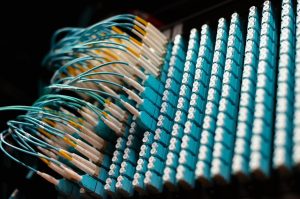
The Digital Transformation of Africa: The Crucial Role of Fiber Networks
The digital transformation sweeping across Africa hinges significantly on the expansion and adoption of robust fiber optic networks. These high-capacity communication systems are the bedrock upon which the continent can build a more connected, prosperous, and innovative future. As mobile penetration continues to soar, the demand for faster, more reliable internet access is outstripping the capabilities of older technologies, making fiber the indispensable next step. The potential for fiber networks in Africa is immense, promising to unlock economic growth, improve access to education and healthcare, and foster greater social inclusion. However, realizing this potential requires navigating a complex landscape of opportunities and significant challenges.
In recent years, significant investments have been made in subsea cables and terrestrial backbones, laying the groundwork for widespread fiber deployment. This infrastructure development is not merely about faster speeds; it’s about bridging the digital divide, connecting underserved rural communities, and enabling businesses to compete on a global scale. Furthermore, the proliferation of data centers and cloud services across the continent further amplifies the need for high-bandwidth, low-latency fiber connectivity. Understanding the current state, the driving forces, and the hurdles is crucial for stakeholders looking to capitalize on the burgeoning digital economy in Africa.
Key Takeaways
- Fiber optic networks are foundational for Africa’s digital transformation, enabling faster and more reliable internet access.
- Significant investments in subsea and terrestrial fiber infrastructure are already underway, creating a positive trajectory.
- Opportunities span economic growth, improved education and healthcare, and bridging the digital divide.
- Major challenges include high deployment costs, regulatory hurdles, security concerns, and the need for skilled labor.
- Public-private partnerships and innovative financing models are essential for overcoming deployment barriers.
- The growth of data centers and cloud services necessitates further fiber expansion across the continent.
Unlocking Economic Growth Through Enhanced Connectivity
The economic implications of comprehensive fiber networks in Africa are profound and far-reaching. High-speed internet access powered by fiber enables businesses to operate more efficiently, participate in e-commerce, and access global markets. Small and medium-sized enterprises (SMEs), which form the backbone of many African economies, can leverage digital tools and platforms to scale their operations, reach new customers, and improve their competitiveness. For instance, a small artisan cooperative in Kenya can use a reliable fiber connection to showcase their products to international buyers, bypassing traditional distribution limitations. This enhanced connectivity fosters innovation, drives productivity, and ultimately contributes to job creation and GDP growth across the continent.
Moreover, the development of the fiber infrastructure itself creates a significant number of jobs, from construction and installation to maintenance and operations. As more communities gain access to high-speed internet, new digital service industries can emerge, further diversifying economies. Think of the burgeoning tech hubs in cities like Lagos, Nairobi, and Cape Town; these ecosystems thrive on reliable connectivity, attracting talent, investment, and fostering the development of local solutions to local problems. The availability of fiber is a critical enabler for the digital economy, attracting foreign direct investment and positioning African nations as attractive destinations for tech-enabled businesses.
Bridging the Digital Divide and Improving Social Services
One of the most compelling opportunities presented by fiber optic networks in Africa is their potential to bridge the persistent digital divide. While urban centers often benefit from advanced connectivity, vast rural and remote areas remain underserved, limiting access to information and opportunities. Fiber infrastructure, when extended beyond major cities, can bring reliable internet to these areas, transforming lives and communities. This is particularly critical for education, where online learning resources and remote teaching can supplement traditional schooling, especially in regions with teacher shortages or limited educational infrastructure. Imagine students in a remote village in Ghana accessing virtual labs or online libraries previously unavailable to them.
Similarly, healthcare services can be dramatically improved through fiber-enabled telemedicine. Doctors can consult with specialists remotely, diagnostic information can be shared instantly, and health education can reach wider audiences. This is invaluable in a continent where access to specialized medical care can be limited, particularly in rural settings. For instance, a rural clinic in Ethiopia could utilize high-definition video conferencing to connect with a specialist in Addis Ababa for complex patient cases, significantly improving patient outcomes and reducing the need for costly and time-consuming travel. Furthermore, access to information via reliable internet empowers citizens, facilitates civic engagement, and enhances access to government services.
Navigating the Challenges of Fiber Deployment
Despite the immense potential, the deployment of fiber optic networks across Africa faces significant hurdles. Perhaps the most substantial challenge is the prohibitive cost of infrastructure deployment. Laying fiber optic cables, especially in diverse terrains like mountains, deserts, and dense urban areas, requires substantial capital investment. This includes the cost of the fiber itself, trenching or aerial installation, power supply, and active equipment. The return on investment can be slow, particularly in low-density or low-income areas, making it difficult for private companies to justify the expense without subsidies or innovative business models. Securing adequate funding and developing sustainable financing mechanisms are therefore paramount.
Another major obstacle is the complex and often fragmented regulatory environment across different African countries. Inconsistent policies, lengthy permitting processes, and varying right-of-way fees can significantly delay projects and increase costs. Harmonizing regulations and streamlining approval processes at national and regional levels is essential to attract investment and accelerate deployment. Furthermore, security concerns, including cable vandalism and theft, pose a persistent threat to existing and new infrastructure, necessitating robust security measures and community engagement. Addressing these challenges requires a concerted effort involving governments, private sector players, and international development partners.
Right-of-Way and Permitting Complexities
Obtaining the necessary permits and rights-of-way (RoW) to lay fiber optic cables can be a lengthy and bureaucratic process in many African nations. Different municipalities and regional authorities may have varying requirements and fees, leading to significant delays and unpredictable costs for network operators. For instance, a project requiring trenching through multiple districts might need separate approvals from each, each with its own set of rules and timelines. This fragmentation makes large-scale, cross-border, or even nationwide deployments incredibly challenging to plan and execute efficiently.
Security and Vandalism Risks
Theft of copper cable has historically been a problem, and while fiber is less attractive for scrap metal, accidental or intentional damage to fiber optic infrastructure remains a significant concern. Vandalism, construction-related damage, and sabotage can lead to service disruptions and costly repairs. Protecting these vital assets requires not only physical security measures but also community awareness programs that highlight the importance of the infrastructure to local development. Educating communities about the benefits of reliable internet access can foster a sense of ownership and deter destructive behavior.
The Role of Public-Private Partnerships (PPPs)
Given the substantial capital required and the challenges in achieving quick returns, public-private partnerships (PPPs) are emerging as a critical model for accelerating fiber network deployment in Africa. Governments can play a pivotal role by providing enabling policy frameworks, streamlining regulatory processes, and offering incentives such as tax breaks or subsidies. In return, private companies bring the technical expertise, operational efficiency, and capital needed to build and manage the networks. These collaborations can de-risk investments for the private sector and ensure that deployment aligns with national development priorities, such as connecting schools, hospitals, and underserved communities.
For example, a government might facilitate access to public land or existing infrastructure corridors, reducing civil works costs for operators. Alternatively, a PPP could involve a shared infrastructure model where multiple service providers can utilize the same fiber backbone, thereby reducing duplication of effort and cost. Such partnerships are vital for expanding the reach of fiber beyond profitable urban centers into rural and remote areas where the digital divide is most pronounced. The success of PPPs hinges on transparency, clear contractual agreements, and a shared commitment to achieving universal access goals.
Innovative Financing and Business Models
Beyond traditional PPPs, innovative financing and business models are crucial for overcoming the funding gap in fiber network development. This includes exploring options like infrastructure funds, green bonds, and leveraging development finance institutions (DFIs). Mobile network operators (MNOs), who have extensive existing customer bases and distribution networks, are increasingly investing in fiber infrastructure, often through wholesale agreements or infrastructure sharing arrangements. This vertical integration allows them to control the quality of their backhaul and offer higher-speed broadband services.
Furthermore, community-based models and digital access initiatives funded by foundations or impact investors are proving effective in bringing connectivity to specific underserved regions. For instance, a consortium of local businesses in a particular town might pool resources to invest in a fiber link, securing better internet for their operations and the community. The rise of open-access networks, where infrastructure is built by one entity and leased to multiple service providers on a non-discriminatory basis, also offers a promising avenue. This approach reduces the capital burden on individual service providers and encourages competition, ultimately benefiting end-users with better services and lower prices.
The Growing Demand for Data Centers and Cloud Services
The burgeoning demand for data centers and cloud services across Africa represents a significant driver for fiber network expansion. As more businesses migrate their operations to the cloud and data localization requirements increase, the need for high-capacity, low-latency connections to these data centers becomes paramount. Fiber optic networks are the only technology capable of providing the bandwidth and reliability required for these demanding applications. The presence of robust fiber infrastructure is a key factor in attracting investment in data centers, creating a positive feedback loop that further fuels network development.
Major technology companies are investing in cloud regions within Africa, recognizing the continent’s vast market potential. These investments necessitate the expansion of metro fiber rings and backbone connections to ensure seamless data flow. For example, a company establishing a cloud data center in South Africa will require extensive fiber connectivity to link it to major cities and international subsea cables. This trend will likely spur further investment in terrestrial fiber networks across the continent, connecting not only major hubs but also extending outwards to support the growing digital economy. The expansion of 5G mobile networks also relies heavily on fiber backhaul, further increasing the demand for these essential networks.
Skills Gap and Workforce Development
A critical, yet often overlooked, challenge is the shortage of skilled personnel required for the design, deployment, operation, and maintenance of advanced fiber optic networks. Building and managing these complex systems requires specialized knowledge in areas such as fiber splicing, network planning, optical testing, and cybersecurity. As fiber infrastructure expands, the demand for these skills will only intensify. Without a concerted effort to develop a qualified workforce, the pace of deployment and the quality of service delivery could be significantly hampered.
Addressing the skills gap requires a multi-pronged approach involving educational institutions, vocational training centers, and industry-led certification programs. Universities and technical colleges need to integrate fiber optics and telecommunications engineering into their curricula. Furthermore, governments and private sector companies should collaborate to establish training programs and apprenticeships specifically designed to equip individuals with the necessary competencies. Investing in human capital is just as crucial as investing in physical infrastructure for the long-term success of fiber networks in Africa. For instance, initiatives like Cisco’s Networking Academy or local training institutes offering specialized fiber courses can play a vital role.
Conclusion
The journey towards comprehensive fiber networks in Africa is marked by both tremendous opportunities and significant challenges. The potential for economic growth, improved social services, and bridging the digital divide through enhanced connectivity is undeniable. However, the high costs of deployment, complex regulatory landscapes, security concerns, and the critical need for skilled labor require strategic and collaborative solutions. Public-private partnerships and innovative financing models are essential to overcome these hurdles and ensure that the benefits of fiber reach all corners of the continent.
As investments continue to pour into subsea cables, terrestrial backbones, and data centers, the momentum for fiber expansion in Africa is building. By addressing the challenges head-on and fostering an environment conducive to investment and innovation, stakeholders can unlock the full potential of fiber optic networks. This will not only transform the digital landscape but also empower millions of Africans and solidify the continent’s position in the global digital economy. Are you ready to embrace the connected future of Africa?
Frequently Asked Questions
What are the main opportunities for fiber networks in Africa?
The main opportunities include unlocking significant economic growth by enabling businesses and SMEs to operate more efficiently and access global markets. Furthermore, fiber networks can bridge the digital divide by connecting underserved rural areas, improving access to education through online learning, and enhancing healthcare services via telemedicine. They also foster innovation and create jobs throughout the deployment and operational phases.
What are the biggest challenges facing fiber deployment in Africa?
The primary challenges include the high cost of infrastructure deployment, especially in difficult terrains, and the slow return on investment in low-density areas. Additionally, complex and fragmented regulatory environments across different countries, lengthy permitting processes, and right-of-way acquisition issues create significant delays. Security concerns such as vandalism and theft also pose risks to the infrastructure.
How can public-private partnerships help advance fiber networks in Africa?
Public-private partnerships (PPPs) are crucial because they combine government support (like policy frameworks, incentives, and access to public land) with private sector expertise, capital, and operational efficiency. This collaboration helps de-risk investments, share costs, and align deployment with national development goals, ensuring that fiber infrastructure extends to areas that might not be commercially viable for private companies alone.
Why is the demand for data centers increasing the need for fiber in Africa?
The growing adoption of cloud services and the establishment of new data centers across Africa require massive amounts of data transfer. Fiber optic networks are the only technology capable of providing the high bandwidth, low latency, and reliability necessary to connect these data centers to users and other networks efficiently. This increased demand for data services directly fuels the need for more extensive fiber infrastructure.
What is being done to address the skills gap for fiber networks in Africa?
Addressing the skills gap involves collaboration between educational institutions, vocational training centers, and industry players. Initiatives include updating university curricula, establishing specialized training programs and apprenticeships, and promoting industry certifications. The goal is to develop a sufficient pool of skilled technicians and engineers capable of designing, deploying, operating, and maintaining advanced fiber optic networks across the continent.