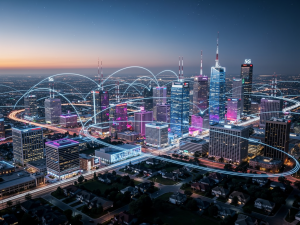
How GeoTel is Revolutionizing Modern Urban Planning with Telecom Infrastructure Data

Urban planning has undergone a profound transformation in recent years, driven by advancements in telecommunications infrastructure, geospatial data, and digital twin technologies. With cities growing at an unprecedented pace and digital connectivity becoming a critical component of daily life, the integration of telecom data into urban design is no longer optional—it’s essential. GeoTel, a leading provider of telecommunications infrastructure data, is at the forefront of this evolution, offering innovative solutions to empower city planners, developers, and infrastructure managers.
The Role of Telecommunications in Modern Urban Planning

Pexels
Historically, urban planning focused primarily on roads, zoning, and utilities such as water and electricity. However, in this digital age, the scope has expanded to include robust broadband networks, 5G infrastructure, and the Internet of Things (IoT). These elements are crucial for building smart, resilient cities that meet the demands of sustainability, digital inclusion, and technological innovation. GeoTel empowers planners by providing comprehensive datasets that include fiber routes, cell towers, central offices, and more. These datasets enable informed decisions on where to deploy, upgrade, or maintain digital infrastructure.
A great example of this is the Tampa Bay Regional Planning Council’s use of augmented reality models to demonstrate climate-resilient infrastructure to the public. Such projects underline the importance of integrating real-time telecommunications data into urban planning to enhance public engagement and ensure transparency. Planners who fail to incorporate this data risk creating underserved areas that lack the connectivity needed for remote work, smart city features, and future technological demands.
GeoTel’s Pioneering Approach to Telecom Data Integration

Pexels
GeoTel’s TeleTracker platform plays a pivotal role in overlaying telecommunications network data with other infrastructure layers like utilities, roads, and environmental systems. This integration enables urban planners to visualize and analyze connectivity alongside traditional infrastructure elements. By using these insights, planners can optimize co-deployment opportunities, minimize conflicts in excavation work, and future-proof urban spaces against digital demands.
Additionally, GeoTel’s focus on geospatial solutions allows cities to develop digital twins—virtual models that simulate the behavior of urban systems. While most digital twins focus on physical infrastructure, GeoTel’s datasets provide the missing connectivity layer, ensuring a comprehensive model that factors in telecom networks, fiber backhaul, and IoT sensors. This holistic approach to modeling paves the way for smarter, more sustainable urban environments.
Connecting Sustainability, Resilience, and Technology

Pexels
Sustainability and resilience have become cornerstones of modern urban planning. From deploying low-carbon infrastructure to mitigating climate risks, planners now rely heavily on data-driven tools to achieve these goals. GeoTel bridges the gap by incorporating telecom data into sustainability scenarios, such as determining optimal locations for distributed broadband nodes or edge computing facilities in resilient neighborhoods. Their precision mapping tools have even been utilized in large-scale energy sector projects, showcasing their versatility and impact.
Moreover, immersive visualizations powered by augmented reality (AR) and virtual reality (VR) are becoming essential for citizen engagement. When planning meetings and community discussions include detailed connectivity maps, stakeholders are better informed and more likely to support decisions. GeoTel’s mapping solutions allow cities to showcase fiber routes, telecom expansions, and 5G coverage, fostering trust and collaboration within communities.
Practical Applications for Telecom Data in Urban Planning

Pexels
GeoTel’s offerings provide invaluable tools for urban planners, developers, and city officials. For example, a planning organization might begin with a baseline audit of existing telecom infrastructure, leveraging GeoTel’s datasets to analyze fiber and broadband coverage in a prospective area. Once integrated into GIS systems, these datasets can be layered with zoning, utilities, and risk factors to inform scenario modeling. Planners can then visualize and present these scenarios in AR or VR formats to engage stakeholders and build consensus.
Ultimately, GeoTel’s data supports not just the design and development phases but also ongoing monitoring and maintenance. By treating digital connectivity as a critical layer of infrastructure, cities can ensure that their urban spaces are prepared for the demands of the future.
The Future of Urban Connectivity
Pexels
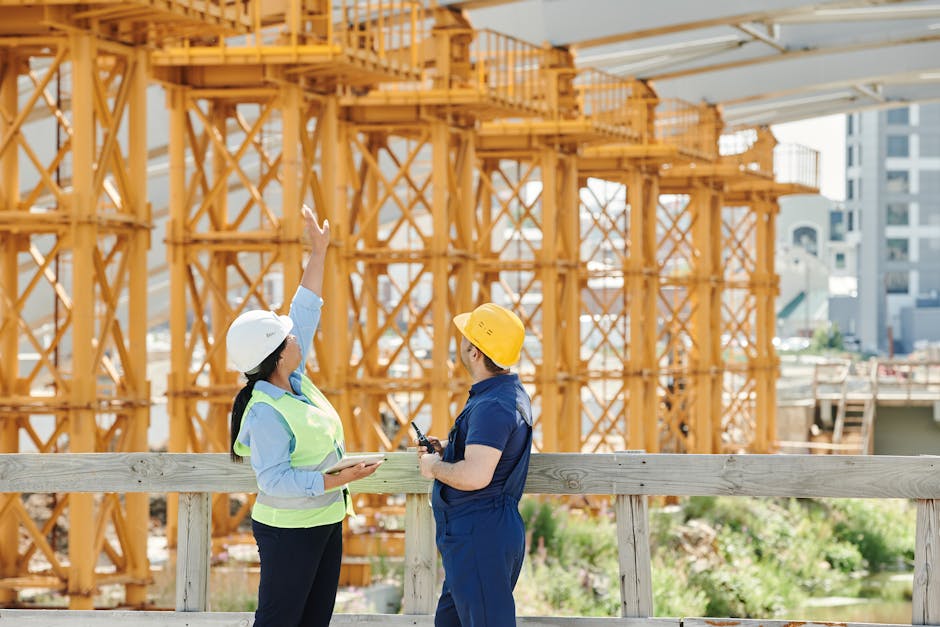
The integration of telecommunications infrastructure into urban planning is no longer a luxury—it’s a necessity. As planners strive to create smarter, more inclusive cities, GeoTel’s data-driven solutions stand out as essential tools for bridging the gap between physical and digital infrastructure. Whether it’s deploying broadband in underserved areas, coordinating with utility providers, or visualizing future developments, GeoTel is shaping the future of urban planning.
In conclusion, modern urban planning must prioritize connectivity alongside sustainability and resilience. GeoTel’s expertise in telecom GIS data ensures that planners have the tools they need to meet these challenges head-on. As you embark on your next urban planning project, ask yourself: where is the connectivity data? If it’s missing, GeoTel is your partner for building the cities of tomorrow.