Guinea Acquires Full Ownership of Areeba Guinee, Eyes Future Telecom Plans
The government of Guinea has successfully taken full control of the mobile network operator Areeba Guinee, after acquiring 100% of its shares from previous stakeholders, including MTN Group. This significant development comes as President Mamadi Doumbouya signed a decree formalizing the complete nationalization of the company. With this move, Areeba Guinee becomes a fully state-owned entity, governed by a newly-appointed board of directors. According to President Doumbouya, the company has gained financial and managerial autonomy under the new framework, aimed at revitalizing its operations and impact in Guinea’s telecommunications landscape.
Transition from MTN Group to Full State Ownership
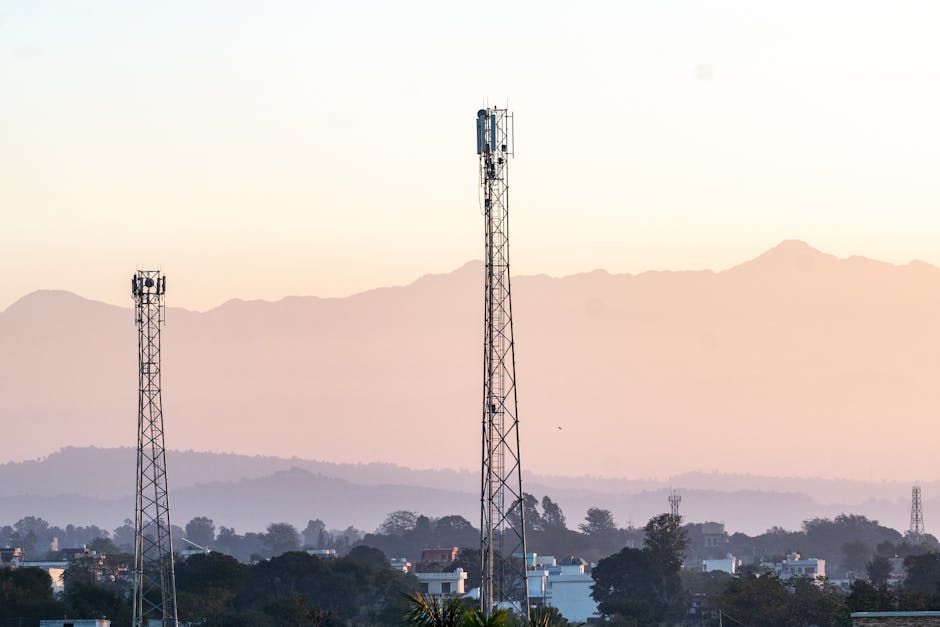
Pexels
The Guinean government’s acquisition of Areeba Guinee marks the end of a temporary management structure that had been in place since December 2024. During this interim period, Areeba Guinee continued operations under governmental oversight. Furthermore, minority shareholders have now exited the company, solidifying full state ownership. This decision aligns with broader strategic goals to establish a robust domestic telecom sector that meets the nation’s growing connectivity needs while fostering local autonomy in infrastructure development.
Potential Merger with Guinea Telecom

Pexels
While the original plan to launch Guinea Telecom, a state-run operator set to replace the defunct SOTELGUI, faced delays due to legacy infrastructure issues, the recent acquisition of Areeba Guinee opens new possibilities. Authorities are reportedly considering a merger between Areeba Guinee and Guinea Telecom to optimize their operational capacities. Under this proposed plan, one entity may serve as a wholesale provider focusing on infrastructure, while the other acts as a retail-focused, customer-serving operator. This dual-entity structure could streamline the nation’s telecom services and improve accessibility for end-users.
The Broader Implications for Guinea’s Telecom Industry
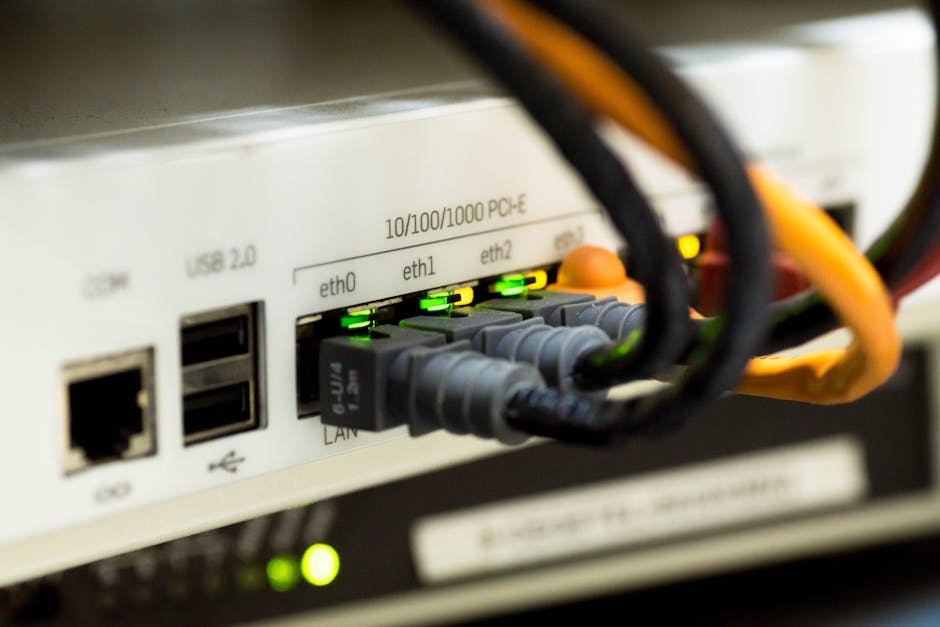
Pexels
Guinea’s move to control its telecom assets reflects an increasing emphasis on self-reliance in critical infrastructure sectors. The nationalization of Areeba Guinee can pave the way for significant advancements in connectivity, especially in rural areas that often remain underserved. Additionally, a more stable and state-backed operator might attract investments and enable cost-effective modernization of the telecom network. By taking such decisive steps, the government signals its commitment to building a competitive and sustainable communication ecosystem that benefits both consumers and businesses.
As the Guinean authorities deliberate the next steps, including a potential merger, the success of this venture could serve as a model for other nations seeking to strengthen their sovereignty over critical infrastructure. The coming months will reveal whether this ambitious move will realize its full potential in transforming Guinea’s telecommunications market.