Heathrow Becomes World’s Largest Airport to Fully Deploy CT Scanners, Streamlining Security Processes
Heathrow Airport has launched a £1 billion overhaul of its security operations, becoming the world’s largest airport to completely deploy next-generation CT scanners across all terminals, according to an announcement by Heathrow’s CEO, Thomas Woldbye. This operational shift allows passengers to leave liquids and electronics in their luggage, significantly simplifying the security process while eliminating roughly 16 million single-use plastic bags annually.
CT Rollout Marks a Major Shift for Global Airport Security

The deployment replaces all passenger security lanes with advanced CT (computed tomography) scanners in every terminal — a significant step beyond pilot programs or partial rollouts seen at other airports. Capable of producing 3D images of cabin baggage, CT scanners enhance security accuracy while increasing efficiency. Passengers experience less stress, with shorter preparation times and faster queues.
Operationally, the technology reduces manual bag checks and minimizes reliance on peak-hour surge staffing, ensuring more consistent throughput. Heathrow’s 2022 statistics revealed 97% of passengers waited under five minutes at security, and the new system introduces a technological backbone to maintain—and likely improve—those numbers moving forward.
Market Context: Setting a Benchmark for Global Hubs

While airports like Amsterdam Schiphol and Rome Fiumicino implemented CT scanners earlier on a limited scale, Heathrow’s full-terminal adoption sets a global precedent. In the United States, airports such as JFK and Atlanta have also selectively introduced CT technology, constrained by regulatory pathways and infrastructure hurdles.
Heathrow’s comprehensive approach resolves consistency challenges, where travelers no longer have to guess terminal-specific restrictions. This rollout aligns with broader industry advocacy, led by organizations like IATA, for next-gen screening systems that enhance safety and traveler satisfaction.
From an environmental perspective, Heathrow’s elimination of plastic bags at security contributes to its sustainability goals. Passengers and regulators alike view this as a dual benefit: improved convenience with visible reductions in waste.
Expert Analysis: The Airlines, Brand, and Bottom Line
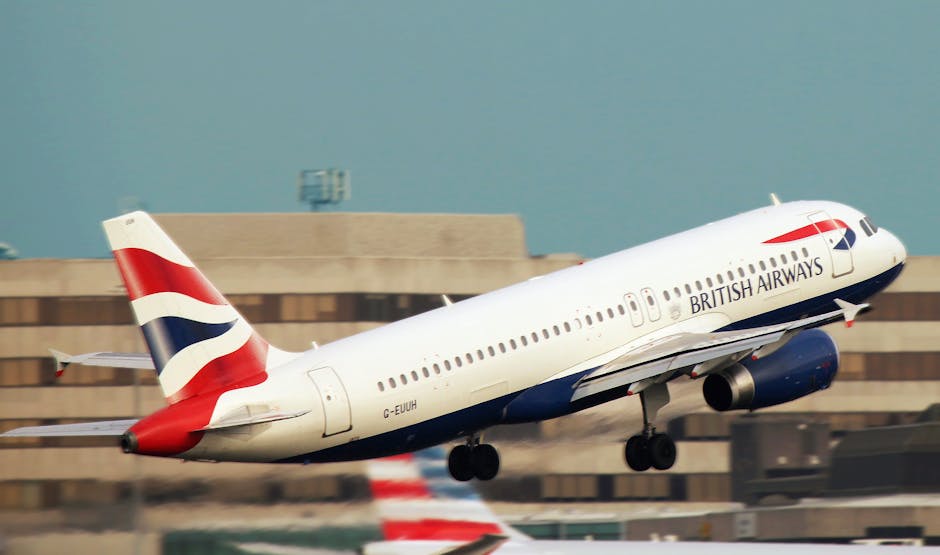
This adoption positions Heathrow as a leader in airport experience, where seamless security processes are increasingly essential for passenger loyalty and satisfaction. Airports have transitioned from being mere transport nodes to experience-driven hubs. Faster security means passengers spend more dwell time in retail and dining areas, boosting non-aeronautical revenues, which remain a core profitability driver for major hubs.
For airlines, the ripple effects of CT technology include improved baggage handling and fewer missed connections. Heathrow reported a 98% baggage load success rate in 2025, translating into fewer delays, happier passengers, and fewer operational disruptions. The rollout signals that security can evolve without compromising rigor, providing a glimpse into the airport experience of the future.
More broadly, Heathrow’s bold approach could accelerate CT adoption worldwide, becoming a standard that high-traffic airports will feel pressured to meet. Early results will be closely monitored by industry stakeholders globally.
What do you think? Could Heathrow’s shift set a global standard for seamless and secure travel? Let us know in the comments.