Heathrow Completes £1 Billion CT Security Rollout, Setting a Global Standard for Airports
Heathrow Airport has completed a £1 billion rollout of next-generation CT security scanners across all terminals, becoming the largest airport globally to fully implement the technology, according to Alertify. The milestone eliminates the need for passengers to remove liquids and electronics from their carry-on bags, while improving security accuracy and operational efficiency. The move positions Heathrow as a leader in redefining airport security for the modern traveler.
How the Technology Works

Heathrow’s overhaul replaces traditional X-ray scanners with advanced computed tomography (CT) technology capable of generating detailed 3D images of cabin baggage. Security officers are now able to rotate, zoom, and analyze images without requiring passengers to unpack their belongings. This change results in faster throughput, fewer manual checks, and shorter queues, particularly during peak travel hours.
The operational advantages are clear: Heathrow has upgraded security lanes in all four terminals, ensuring a consistent passenger experience across the airport. Unlike piecemeal deployments seen at other hubs, this represents a full operational shift. According to the airport, over 97% of passengers already waited less than five minutes at security last year, but these new scanners add a ‘technological safety net,’ maintaining efficiency while reducing dependency on staffing adjustments during high traffic periods.
Industry Implications and Market Context
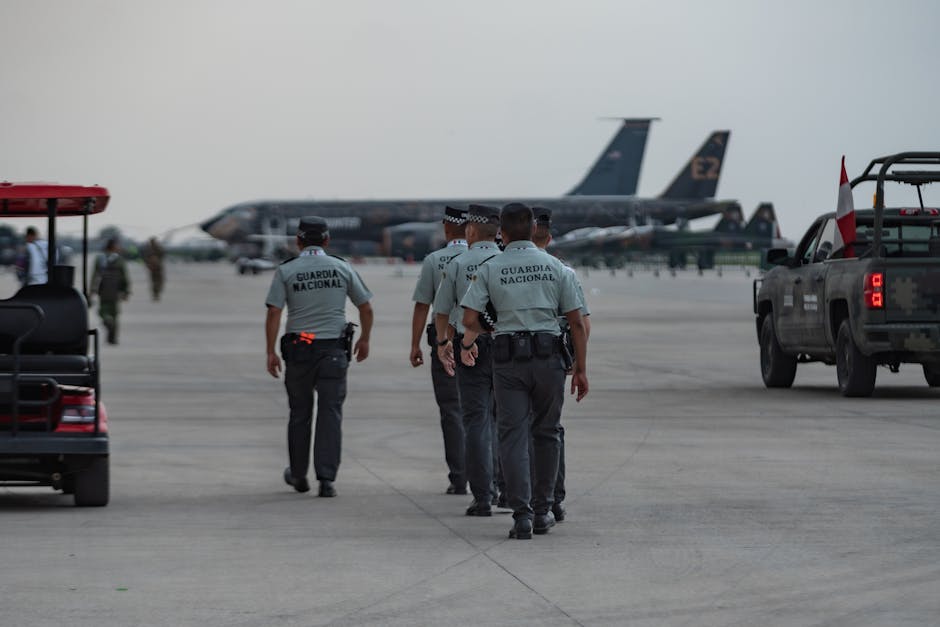
Heathrow is not the first airport to embrace CT scanner technology, with early adopters including Amsterdam Schiphol and Rome Fiumicino. However, its complete deployment across all terminals sets it apart as the most significant implementation to date. Airports in the United States, such as JFK and Atlanta, have integrated CT scanners on a smaller scale, often limited by regulatory hurdles or infrastructure constraints.
This upgrade reflects broader industry efforts to modernize security as evolving passenger expectations and regulatory frameworks take center stage. The UK Department for Transport has progressively adjusted its guidelines to facilitate the relaxation of liquid restrictions for CT-enabled airports, signaling a shift in global security norms.
From a financial standpoint, the benefits are notable. Streamlined security operations reduce staffing costs, while increased processing efficiency generates more retail dwell time — a critical revenue driver for large airport hubs. Heathrow’s CEO Thomas Woldbye estimates that the change will also eliminate 16 million single-use plastic bags annually, aligning the airport’s operations with broader sustainability goals.
What’s Next for the Aviation Industry?

Heathrow’s rollout could set a new benchmark for global airports. If successful at one of the busiest international hubs, other major airports may feel pressure to follow suit. Industry observers note that the emphasis on speed and consistency in security will likely become a standard expectation for passengers, driving investment in CT technology across the sector.
For airlines, the operational impacts go beyond the terminal. Improved baggage handling — bolstered by technology — has already enabled Heathrow to achieve a 98% load accuracy rate, reducing the risk of lost luggage and associated passenger disruptions. Seamless security operations also translate into fewer missed connections, better on-time performance, and ultimately, improved passenger satisfaction.
In an industry competing on passenger experience, Heathrow’s investment underscores a key shift: security is no longer just a regulatory hurdle; it is a pivotal component of the travel journey. “Theatre” security, with its reliance on unpacking and over-preparation, is increasingly viewed as antiquated. Instead, airports are leveraging smart screening technologies to create smoother, less intrusive experiences while meeting — or even exceeding — safety requirements.
As passenger volumes return to pre-pandemic levels and beyond, Heathrow’s billion-pound gamble could redefine what travelers expect from airport security worldwide. Is this the catalyst for a global wave of CT scanner adoption, or will regulatory and financial barriers slow the pace for other airports?
Read the full original article on Alertify: Heathrow’s Billion-Pound CT Security Transformation