Hong Kong to Macao Under an Hour with Free Coach Transfers, Starting January 2026
Starting January 20, 2026, international travelers arriving at Hong Kong International Airport (HKIA) can take advantage of a free direct coach service to Macao operated entirely within the airport’s restricted area, according to the Macao Government Tourism Office (MGTO). The program, aimed at long-haul visitors from outside Greater China, eliminates immigration waits and additional travel costs, positioning Macao as an easy extension of any Hong Kong itinerary. The offer is available until December 31, 2026.
Friction-Free Transit and Seamless Connectivity
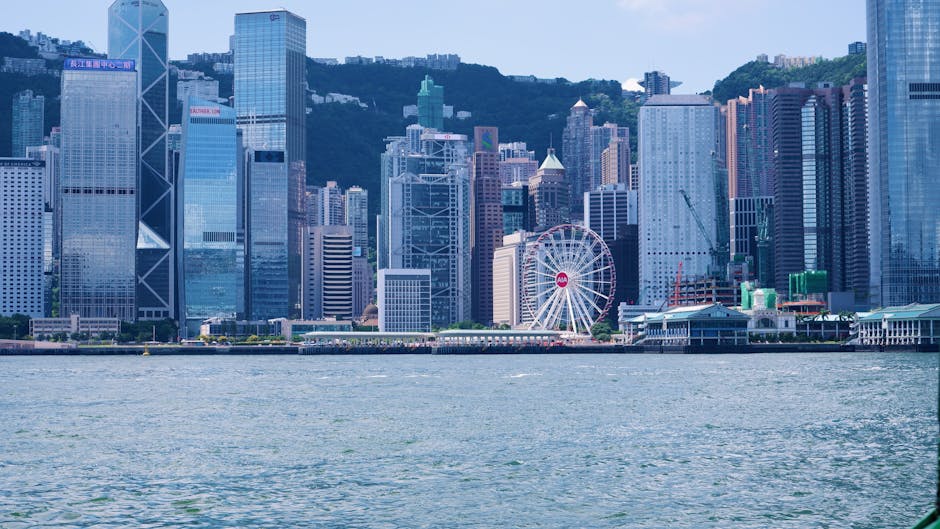
The cross-border service leverages the $18.8 billion Hong Kong-Zhuhai-Macao Bridge, enabling a 30-to-45-minute journey across the 55-kilometer stretch without the need for passport control, baggage rechecks, or ferry tickets. Travelers can simply visit a designated counter inside the SkyPier Terminal at HKIA to complete basic formalities and receive their free one-way coach ticket. The 24-hour service operates in sync with international flight schedules, targeting late-night and early-morning arrivals for maximum convenience.
Visitors can use the coach service multiple times during their stay, subject to a quota and seat availability. Bookings are managed via the operator’s official website, ensuring a streamlined process for tourists stepping off long-haul flights.
Competing in a Crowded Tourism Landscape
This initiative is part of Macao’s broader strategy to attract more international visitors by removing barriers to entry. Historically, ferry terminals, visa queues, and logistical hurdles made Macao feel more like a standalone decision rather than a natural add-on to a Hong Kong trip. By simplifying cross-border travel, MGTO is directly addressing these pain points and reframing Macao’s appeal.
Analysts note that this move reflects a growing trend in Asia’s tourism sector, where destinations prioritize seamless travel experiences over conventional promotions. Macao is aligning itself with cities like Singapore, Dubai, and Seoul, all of which have invested heavily in stopover or multi-destination tourism models. However, rather than relying on visa exemptions or airline incentives, Macao’s approach focuses on ease and access, leveraging existing infrastructure to incentivize visitor behavior.
What This Means for Regional Tourism

The timing of the program underscores Macao’s ambitions amid a post-pandemic recovery where gaming alone is no longer enough to sustain global tourism appeal. While the casino resorts earned Macao its “Las Vegas of Asia” reputation, this branding is both an asset and a challenge. International travelers tend to see Macao as optional rather than essential, and transport friction has only reinforced that perception.
Removing cost and complexity at the point of arrival creates a new value proposition. By absorbing logistical overhead, MGTO is reducing the psychological and financial barriers that discourage visitors from adding Macao to their itineraries. Observers believe this could help Macao compete not just regionally but globally, as today’s travelers increasingly prioritize efficiency over cost alone. A smoother, faster transit experience can make or break a destination’s competitiveness.
For other aviation-connected cities, the implications are clear. Seamless transfers, once seen as a niche offering, are becoming vital to attracting time-poor, experience-driven travelers. If Macao’s data from its earlier iterations in 2024 and 2025 holds true, industry insiders expect similar initiatives to expand across major tourism hubs worldwide.
Outlook: More Than Just a Free Ticket

This groundbreaking program illustrates how destinations are shifting investment priorities from traditional tourism infrastructure to smarter, frictionless experiences. As stopover traffic becomes a core growth strategy for many cities, Macao’s free coach service serves as a blueprint for other tourism boards seeking scalable and cost-effective ways to drive conversion.
The free ticket itself may not be the main story. Rather, it signals a new paradigm in how destinations compete—less about offering luxury and more about removing hassle. Whether or not Macao’s bet pays off, it’s clear the global tourism industry is taking note: convenience is no longer a luxury but an expectation.
Will more cities embrace seamless travel as a baseline service? Travelers and industry watchers alike are eagerly observing how such shifts redefine the future of global tourism.