Huawei Unveils Top 10 EV Charging Trends for 2026: What It Means for the Future of Mobility
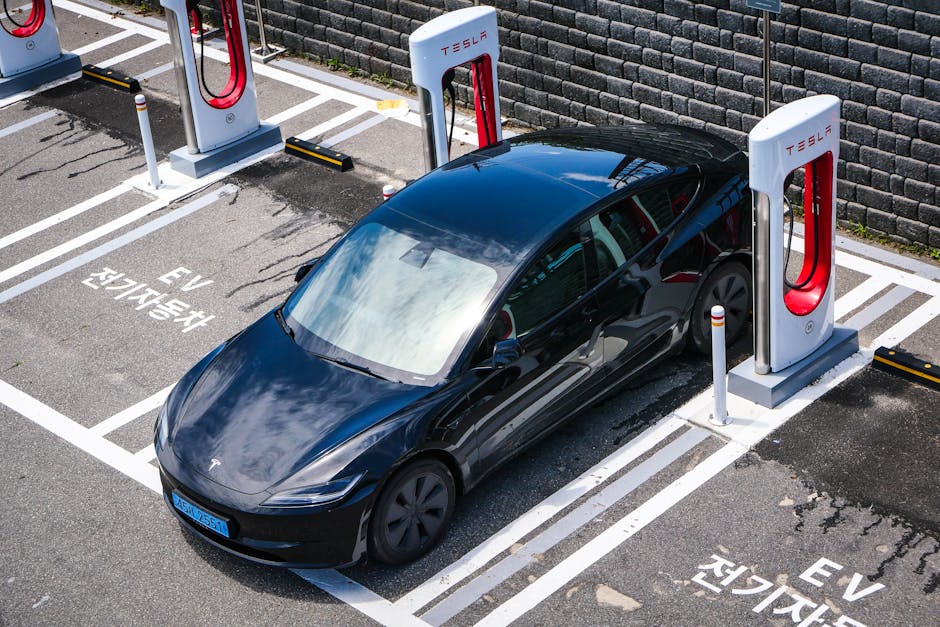
According to Huawei Digital Power, the global telecom giant has unveiled its top 10 trends for electric vehicle (EV) charging technologies in 2026. As part of its vision, Huawei aims to drive forward the development of ultra-fast, reliable charging networks, placing itself at the heart of the rapidly growing electrification ecosystem.
Inside Huawei’s Vision: Key Trends in EV Charging

Huawei’s report highlights a future fueled by integration, collaboration, and innovation. Among the trends, the company emphasizes smarter charging algorithms, widespread deployment of ultra-fast chargers, and the seamless integration of charging stations into urban infrastructure. Notably, Huawei discusses advancements like 100MW power outputs, significantly reducing charging times for EVs to under five minutes.
The company is also tapping into artificial intelligence (AI) for enhanced energy management: AI-driven powered distribution will allow networks to adapt to peak demand more efficiently. Coupled with the rollout of mobile-ready apps to locate, book, and optimize charging stations, Huawei is determined to make EV charging not only a service but an interconnected experience.
As EV adoption continues to soar, with 14.8 million units sold globally in 2023 (per International Energy Agency data), Huawei’s push into the EV charging market signals major competition for existing players. Brands like Tesla and ChargePoint must now contend with Huawei’s aggressive scalability and technological prowess.
Why This Matters for the Telecommunications Industry

Huawei’s foray into electric mobility is more than a diversification strategy; it’s a natural extension of its expertise in ICT (Information and Communications Technology). By merging telecom-grade network reliability with EV infrastructure, Huawei creates a value chain where next-generation connectivity supports the broader EV market growth.
Telecom infrastructure can play a critical role here: Huawei’s charging stations may double as 5G-enabled data hubs, supporting Vehicle-to-Everything (V2X) communications that are essential for autonomous vehicles. This shift solidifies Huawei’s positioning not only as a clean energy pioneer but also as a leader in smart city innovation.
The implications for competitors are significant. With the EV infrastructure market expected to grow at a CAGR of 32.6% from 2023 to 2030, according to Allied Market Research, Huawei’s ability to deliver cost-effective, scalable charging equipment could disrupt established market leaders. It also challenges telecom peers like Ericsson and Nokia to consider similar diversification efforts.
Future Outlook: Can Huawei Dominate the EV Charging Sector?

Huawei’s strategy to lead EV charging aligns with global trends toward carbon neutrality by mid-century. Countries such as China have pledged to achieve net-zero emissions by 2060, with the EU and U.S. targeting 2050. Demand for public EV chargers is expected to more than triple by 2030, creating a lucrative market segment for tech-savvy innovators like Huawei.
However, Huawei faces notable challenges. Geopolitical tensions and ongoing U.S. sanctions against Huawei could limit its access to western markets, which remain key to the global EV revolution. That said, its strong backing from the Chinese government and focus on emerging regions, including Southeast Asia and Africa, may still enable Huawei to capture sizable market share.
Experts believe the integration of energy management, telecommunications, and ICT—areas where Huawei leads—gives the company a unique edge. Dr. Li Wei, an energy systems analyst, remarks, “If Huawei can achieve interoperability between EV charging and IoT ecosystems, it will redefine how we think about infrastructure in the mobility sector.”
Conclusion
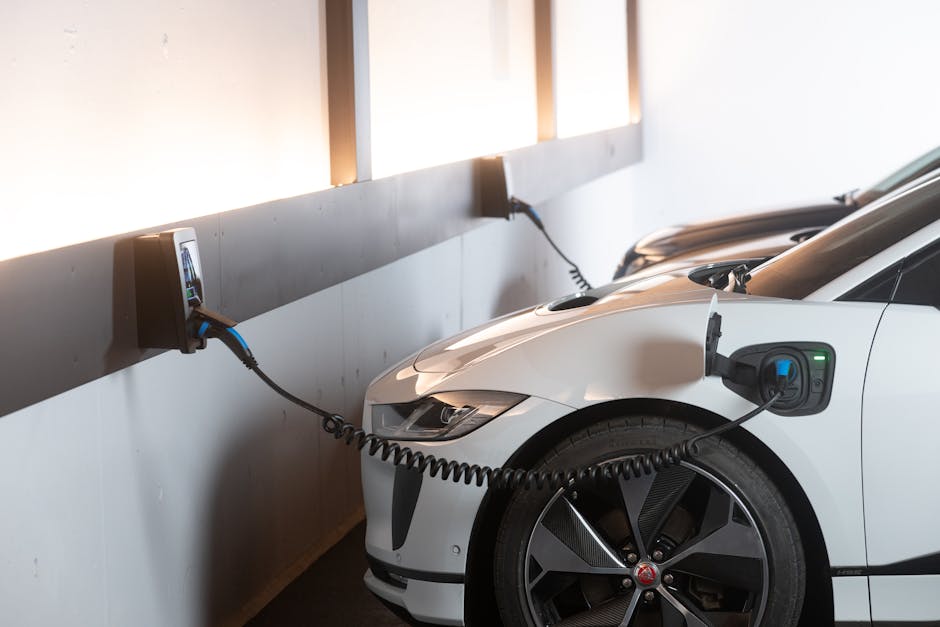
Huawei’s entry into the EV charging market comes at a decisive time for connectivity and electrification industries. By combining decades of telecom expertise with advanced energy solutions, Huawei is poised to become a major player in transitioning the world toward a cleaner, more connected future.
What do you think? Are global competitors ready for the shake-up that Huawei’s EV charging solutions might bring? Feel free to share your thoughts below!