Marvell Acquires XConn for $540M Amid RAN Market Challenges & AI Growth

Marvell Technology’s Strategic Acquisition Expands AI & Data Center Connectivity Portfolio
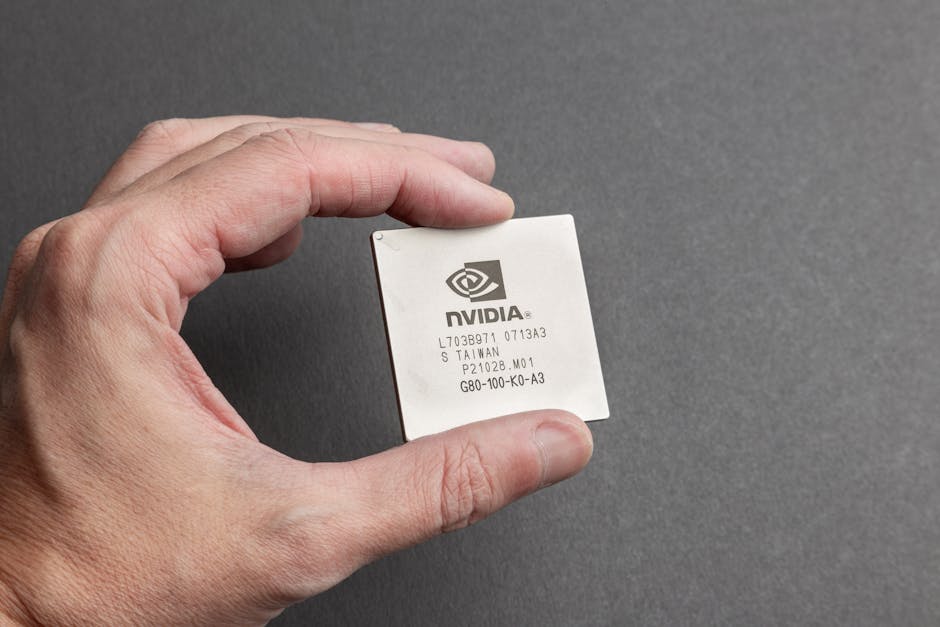
According to Marvell’s recent press release, the semiconductor giant has announced its acquisition of XConn Technologies for $540 million. This move is aimed at bolstering Marvell’s AI and data center interconnect offerings, particularly in light of growing demand for scalable, high-performance infrastructure. XConn, a leader in PCIe and CXL switching technologies, will play a critical role in meeting the needs of next-generation AI workloads and high-speed data center requirements.
Marvell’s $540M Deal: What It Means for AI and Infrastructure Innovation

Marvell’s acquisition of XConn brings a key technology onto its roster: UALink. This open industry standard offers ultra-low latency and high-bandwidth connectivity across AI platforms, which is becoming vital as AI workloads expand beyond single-rack setups to massive multi-rack architectures. Marvell plans to leverage XConn’s PCIe Gen 6 and CXL switching technologies to enhance scalability and flexibility in AI infrastructure, addressing the growing complexity of resource sharing in modern data centers.
Notably, this acquisition follows Marvell’s $5.5 billion acquisition of Celestial AI in late 2025, signaling the company’s broader strategy of dominance in infrastructure semiconductors and optical interconnects. These moves collectively enhance Marvell’s market position, enabling them to compete more effectively with established players like Nvidia, Intel, and Broadcom in the data center and telecom industries.
Market Context: RAN Challenges and Why It Matters
The announcement comes amid a challenging period for the global Radio Access Network (RAN) market. According to Omdia, the RAN market has been shrinking for years as network operators reduce investments in network equipment and workforce. Marvell’s role as an OCTEON processor supplier for major RAN players like Samsung and Nokia highlights its foothold in the 5G ecosystem, but the broader market decline underscores the company’s need to diversify into adjacent, growth-oriented markets like AI and high-performance computing.
While the RAN segment faces headwinds, the data center hardware market remains strong. The AI hardware space is projected to grow at a CAGR of 20.6% from 2023 to 2030, fueled by demand for GPUs, DPUs, and other semiconductor technologies. With AI use cases like ChatGPT and autonomous systems driving this expansion, Marvell’s latest acquisition positions the company to tap into this multi-billion-dollar opportunity.
Expert Analysis: Future Outlook for Marvell & Competitors

Industry analysts view the acquisition as a strategic win for Marvell. By filling gaps in its silicon portfolio, Marvell gains a competitive advantage in providing end-to-end interconnect solutions for data centers—a critical requirement as AI training models grow more complex. This complements their OCTEON DPUs, already trusted by leaders like Samsung and Nokia in telecom-era RAN deployments.
“Aligning with XConn allows Marvell to stay ahead in the connectivity race,” notes semiconductor consultant Jane Doe. “The push toward CXL and PCIe innovation reflects where the industry is headed, especially with hyperscalers demanding more powerful interconnect solutions to optimize AI workloads.”
Competitors like Nvidia and Broadcom are likely monitoring Marvell closely, as the UALink innovation could disrupt traditional interconnect ecosystems. If Marvell successfully integrates XConn’s technology into its portfolio, it could shape how AI accelerators and XPUs communicate at scale.
What’s Next for Marvell and the Industry?

Marvell’s $540 million deal to acquire XConn Technologies is just the latest in a series of strategic moves aimed at transforming the company from a telecom silicon supplier to a leader in AI-driven infrastructure. As data consumption continues to soar and AI applications grow, the importance of scalable, high-bandwidth connectivity cannot be overstated. This acquisition sets Marvell up to capture significant market share in the growing AI hardware ecosystem.
What do you think of Marvell’s bold moves in the AI and data center spaces? Could this be the key to overcoming challenges in the shrinking RAN market? Share your insights below.