Meta Completes Milestone in 2Africa Subsea Cable Project, Enhancing Global Connectivity
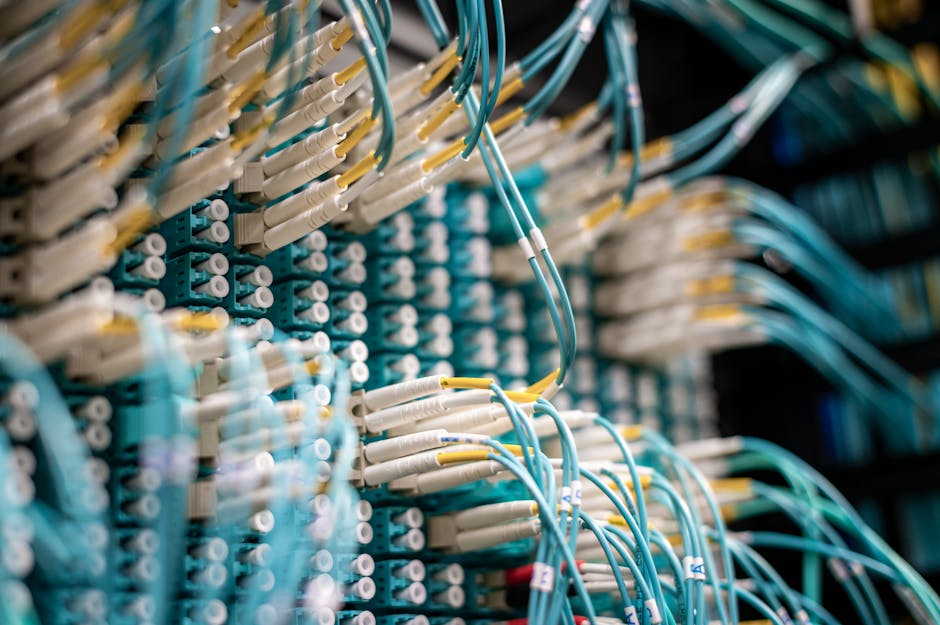
Meta Finalizes Core Build of 2Africa Subsea Cable System
Pexels
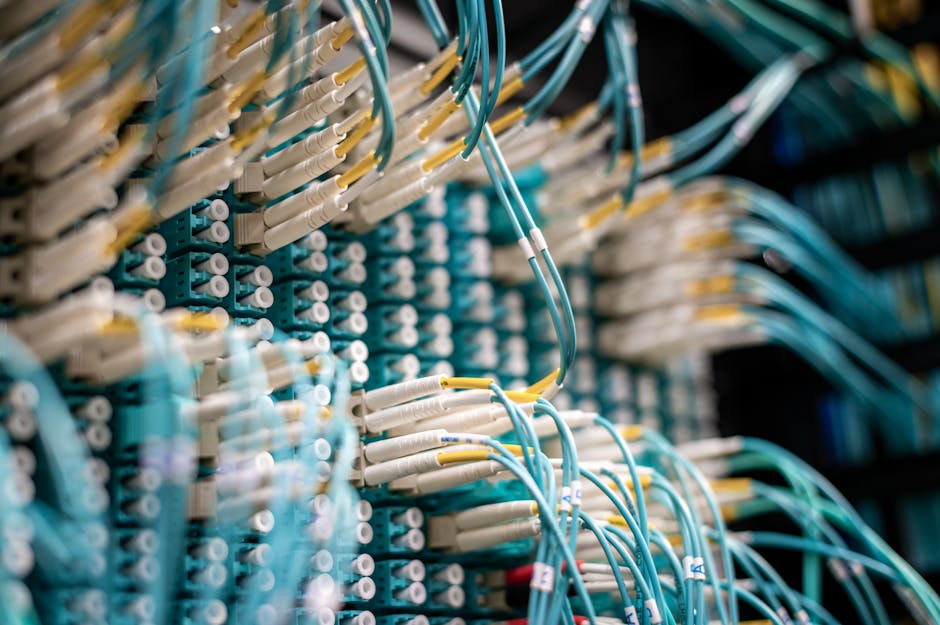
Meta has achieved a landmark moment in global connectivity with the completion of the core build for its massive 2Africa subsea cable system. This ambitious project, one of the largest of its kind in the world, aims to redefine internet accessibility by providing improved international capacity to more than 3 billion people. The 2Africa cable links key regions, including East and West Africa, the Middle East, South Asia, and Europe, and is set to elevate the digital landscape across 33 nations. This development represents a pivotal step toward overcoming regional connectivity challenges while supporting economic growth and technological advancements.
An Expanding Network with Groundbreaking Technologies
Pexels
The 2Africa project, led by Meta through a consortium of heavyweights such as Bayobab (MTN Group), center3 (stc), Orange, Telecom Egypt, Vodafone Group, and others, continues to push the boundaries of modern telecommunications. As part of its next phase, the system is being enhanced by the Pearls Extension, an ambitious expansion reaching out from the Horn of Africa to South Asia and the Persian Gulf. Spanning a total of approximately 45,000 kilometers, this extension will surpass the circumference of Earth and further augment the cable’s impact. Expected to go live by 2026, the upgrade reinforces the commitment to delivering cutting-edge infrastructure with 16 fiber pairs—doubling the capacity of earlier subsea systems—to meet the growing demand for high-speed, reliable internet across emerging markets.
Driving Economic Growth and Innovation Across Africa

Pexels
The transformative potential of the 2Africa cable extends far beyond connectivity. With a trunk capacity of 180 terabits per second, equivalent to 36 million HD video streams simultaneously, the system introduces unprecedented opportunities for economic development. Reports suggest that it could contribute a staggering $36.9 billion to Africa’s GDP in its first three years of operation, fostering job creation, entrepreneurship, and the development of vibrant digital ecosystems. According to Dejan Kastelic, CTO of Vodacom Group, the project acts as a