Nigeria Announces Trial of Military Officers Over Alleged Coup Plot
After months of investigation, the Nigerian government has officially charged 16 military officers with an alleged coup plot aimed at toppling President Bola Tinubu’s administration, according to a recent statement from military spokesperson Major General Samaila Uba. The officers, arrested in October 2025, will now face trial in a military judicial panel under the Armed Forces Act.
Military Coup Charges Surface After Silent Probe
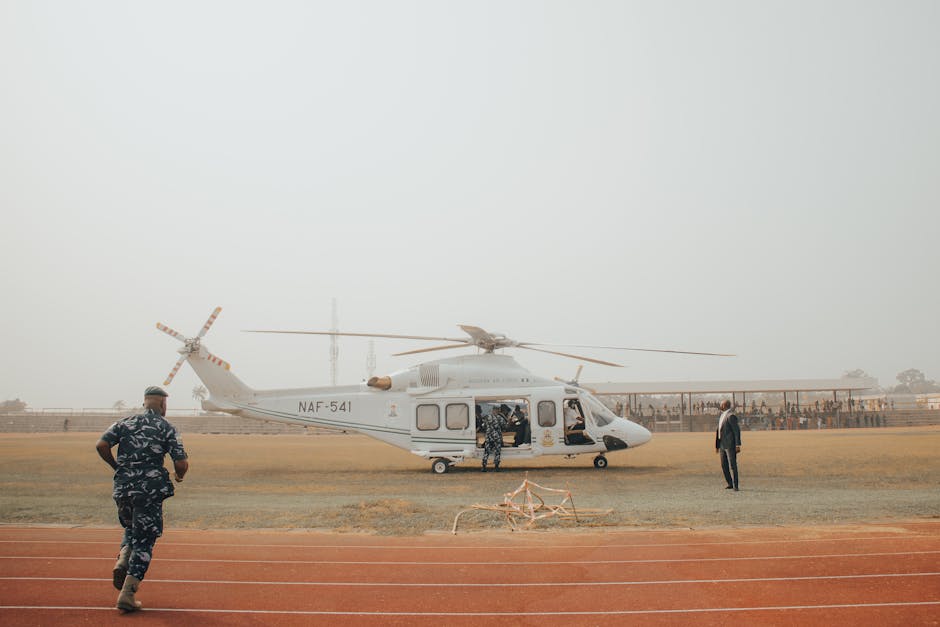
The arrests initially stemmed from accusations of “acts of indiscipline” within the Armed Forces of Nigeria (AFN). Among those detained were high-ranking officials, including a brigadier general, raising concerns about the scope of dissatisfaction within the military’s leadership. General Christopher Musa, Nigeria’s defence minister, revealed on February 2 that the investigation was kept confidential to avoid tipping off other potential suspects. The alleged plot reportedly stemmed from grievances over promotions and benefits.
“They examined circumstances rigorously using established military protocols,” said Major General Uba. He confirmed that individuals found complicit will “formally stand trial for violations inconsistent with AFN ethics and professional standards.”
West Africa’s Growing Coup Trend Raises Concerns

This development places Nigeria within a broader narrative of political instability in West Africa, which has been rocked by multiple coups in recent years. Countries like Mali, Burkina Faso, and Niger have all seen military takeovers since 2020, with Guinea-Bissau narrowly avoiding one in late 2025. While Nigeria has enjoyed civilian rule since 1999, its history includes seven successful coups between 1966 and 1993.
Analysts warn that the resurgence of coups across the region could embolden elements within Nigeria’s own military. Fabian Ekwe, a military historian, cautioned that mounting political instability and economic dissatisfaction, particularly among younger generations unfamiliar with Nigeria’s past under military rule, create a volatile atmosphere.
“The political class is discrediting itself, much like the military did, which can provide justification for intervention,” said Ekwe.
What This Means for Nigeria and the Region
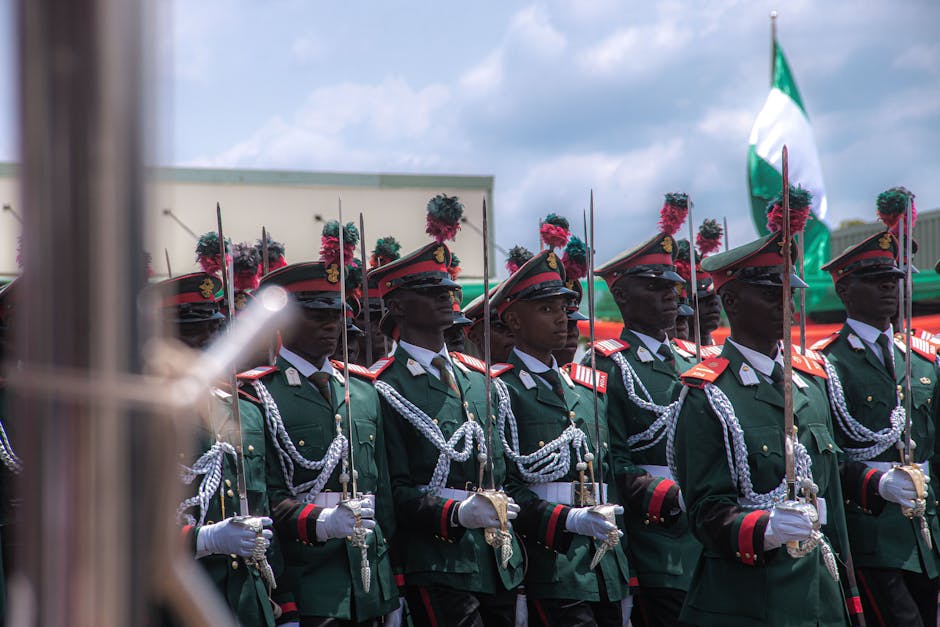
As Nigeria attempts to present itself as a stabilizing force within West Africa, the coup allegations expose vulnerabilities that carry broader regional implications. Defence Minister Musa acknowledged that the investigation highlighted security gaps. “They show you where your weaknesses are, and you fix them,” he added. However, strained public trust—exacerbated by a cost-of-living crisis and controversial economic measures such as subsidy removal—compounds fears of unrest.
The upcoming trials could become a litmus test for Tinubu’s government’s ability to enforce discipline while maintaining transparency and trust within an increasingly polarized nation. Meanwhile, the possibility of further volatility within Nigeria’s military looms as West Africa continues to grapple with political instability.