Nokia Claims 70% TCO Cut with New AI-Optimized Optical Tech: What It Means for Content Infrastructure
Nokia Claims 70% TCO Cut with New AI-Optimized Optical Tech: What It Means for Content Infrastructure
Source: RCR Wireless News, March 20, 2026. Nokia announced a new line of coherent optical solutions targeting data center interconnect (DCI), promising a massive 70% reduction in total cost of ownership (TCO) and a 50% cut in power consumption. This move follows Nokia’s integration of Infinera and signals a strategic pivot to capture the explosive growth in AI-driven data traffic between hyperscale facilities. For content creators and publishers, this isn’t just telecom news—it’s a harbinger of cheaper, faster, and more reliable global content delivery, fundamentally reshaping the infrastructure that powers AI content generation, streaming, and large-scale web operations.
The Technical Leap: Nokia’s PSE-8s and the AI-Ready Network

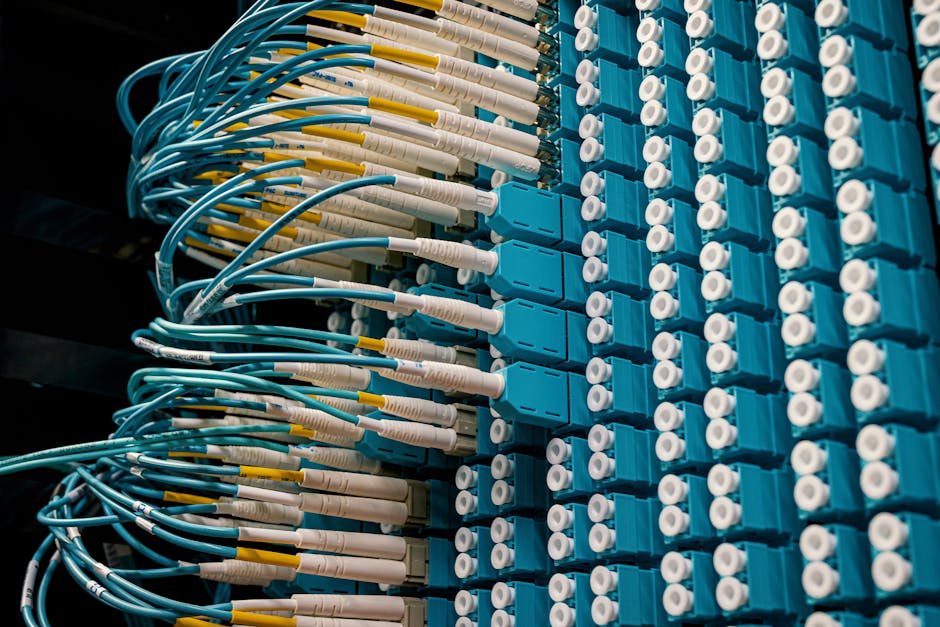
Nokia’s announcement centers on its eighth-generation Photonic Service Engine (PSE-8s), a digital signal processor (DSP) designed for pluggable coherent optics. The key innovation is moving high-performance coherent technology—traditionally housed in bulky, power-hungry standalone boxes—into compact, hot-swappable modules that fit directly into router and switch ports. Nokia claims its new PSE-8s-based 1.6T (Terabit) optical modules, available in QSFP-DD and OSFP form factors, can deliver these staggering TCO and power savings for data center interconnects up to 1,200 km.
The implications are profound. AI model training and inference, which shuffle petabytes of data between geographically distributed GPU clusters, are bottlenecked by interconnect bandwidth and cost. Nokia’s technology directly attacks this bottleneck. By slashing the cost and energy footprint per gigabit, it makes building and operating the massive, high-capacity “AI factory” networks economically viable. This isn’t incremental improvement; it’s the kind of step-change that enables new scales of operation. The company is targeting this precisely, stating its new growth focus is the DCI market, which is expanding at over 30% CAGR, largely fueled by AI.
Why This Matters for AI Content Creators and Publishers
For professionals using tools like EasyAuthor.ai, ChatGPT, or Midjourney, the connection between optical hardware and your daily workflow might seem distant. It is not. The entire ecosystem of AI content creation depends on this underlying fabric. Here’s the direct impact:
- Faster Model Access & Lower API Costs: AI service providers (like OpenAI, Anthropic, or large model hosts) host their models in massive data centers. The cost and performance of linking these centers directly influence their operational expenses. A 70% reduction in the cost of moving data between these facilities can translate into more stable or even reduced API pricing over time and lower latency for your requests, making real-time AI content generation smoother and more affordable.
- Supercharged Content Delivery Networks (CDNs): The media files, videos, and web pages you publish are served globally via CDNs like Cloudflare, Akamai, or Fastly. These networks rely on high-capacity links between their points of presence (PoPs). Cheaper, higher-bandwidth optical interconnects mean CDNs can push more data, faster, and at lower cost. This results in faster page load times for your audience, higher-quality video streaming, and more resilient websites—all critical SEO and user experience factors.
- Enabling Real-Time, Multi-Modal AI Workflows: The next generation of AI content involves seamless integration of text, image, video, and audio generation, often requiring different specialized models to “talk” to each other in real-time. This requires immense, low-latency data transfer between specialized data centers. The infrastructure Nokia is enabling is what makes complex, automated multi-modal content pipelines technically and economically feasible.
Practical Takeaways: Preparing Your Content Strategy for an AI-Optimized Web
While you won’t be installing Nokia’s optics, you can and should align your content operations with the trends this technology enables. Here are actionable steps:
- Prioritize Page Speed and Core Web Vitals Aggressively: As infrastructure improves, user expectations for speed will rise. Use tools like Google PageSpeed Insights, GTmetrix, or WebPageTest. Optimize images with ShortPixel or TinyPNG, leverage browser caching, and consider a premium CDN. Faster sites rank better and keep users engaged.
- Architect for Media-Rich, Automated Content: Plan for a future where serving high-volume 4K video, interactive media, and large AI-generated assets is cheaper. Ensure your WordPress hosting (e.g., WP Engine, Kinsta) or cloud setup can scale bandwidth cost-effectively. Use plugins like WP Rocket for caching and a reliable object storage solution like Amazon S3 with CloudFront.
- Integrate Real-Time AI Features: Evaluate tools that leverage faster infrastructure. This includes AI-powered live chat (like Drift), real-time content personalization platforms, or AI video generation tools that can render and stream on-demand. The reduced latency from better DCI will make these features more viable.
- Future-Proof Your SEO for Visual & Video Search: Google’s AI Overviews and multimodal search are data-intensive. As infrastructure costs drop, expect these features to become more prevalent. Optimize your content with structured data (Schema.org), high-quality original images and videos, and detailed alt text to be ready for this shift.
- Monitor Infrastructure-Driven Cost Savings: Keep an eye on announcements from your cloud provider (AWS, Google Cloud, Azure), CDN, and AI API vendors. As they adopt next-gen optics like Nokia’s, they may pass on cost savings or offer new, high-bandwidth service tiers. Be ready to adjust your budget and tech stack to capitalize.
The Bottom Line: Content in the Age of the AI Data Center

Nokia’s 70% TCO claim is a signal flare. The physical internet—the fibers and lasers that carry every blog post, AI-generated image, and streaming video—is undergoing a radical efficiency upgrade specifically for the AI era. For content strategists, this means the barriers to delivering rich, automated, real-time digital experiences are falling. The focus shifts from being constrained by infrastructure costs to being limited only by creativity and strategic execution. The winners will be those who build their content engines today to leverage the faster, cheaper, and more intelligent web of tomorrow.