Nokia Unveils Ambitious AI-Centric Strategy and Operating Model Redesign
Nokia has unveiled a bold new strategy aimed at positioning the company at the forefront of the AI-driven transformation of network technology. As announced during its Capital Markets Day 2025 event, this innovative roadmap emphasizes the importance of embracing AI and capturing the opportunities presented by the AI supercycle. The restructuring of its operating model is foundational to implementing this strategy, which includes reorganizing its business into two primary segments: Network Infrastructure and Mobile Infrastructure. These changes, effective January 2026, are designed to increase operational efficiency while better serving customers, driving innovation, and enhancing shareholder value.
At the heart of the strategy are five key priorities underpinned by a robust financial target of EUR 2.7 to 3.2 billion in annual comparable operating profit by 2028. Nokia’s focus on these core areas reflects the company’s desire to align itself with the surging demand for advanced connectivity and prepare its infrastructure for future growth. Justin Hotard, Nokia’s President and CEO, remarked, “Nokia changed the world once by connecting people — and will again by connecting intelligence. As the trusted Western provider of secure advanced connectivity, our technology is powering the AI supercycle.” These aspirations are supported by Nokia’s ongoing innovation in areas like fixed, IP, and mobile infrastructure technologies.
Network Infrastructure: A Growth Engine
Pexels
The reorganization recognizes Network Infrastructure as a critical growth segment, primed to capitalize on the global expansion of AI and data centers. Network Infrastructure, to be led by David Heard, encompasses Optical Networks, IP Networks, and Fixed Networks. With AI-driven demand pushing telecommunications networks to their limits, Nokia aims to seize opportunities at the intersection of AI and connectivity. The company’s strategy for this division also includes supporting data center build-outs while continuing to develop advanced solutions for its long-standing telecommunications clients.
Meanwhile, Nokia Defense, which the company sees as an innovation hub for defense-grade technology, represents another avenue for growth. Focused on markets in the United States, Finland, and allied nations, this initiative will leverage Nokia’s strong foundation in network and mobile infrastructure to deliver defense-focused connectivity solutions.
Mobile Infrastructure for the AI and 6G Eras

Pexels
In its Mobile Infrastructure segment, Nokia is combining its Core Networks, Radio Networks, and Technology Standards portfolios under one operational umbrella. This change reflects the company’s ambition to lead the industry into the AI-native network and future 6G races. This segment, with Justin Hotard serving as its acting leader, is aligned with Nokia’s approach to integrating legacy mobile communication technologies such as 3GPP standards with advanced radio networks and mobile software. Long-term growth in this segment is supported by Nokia’s intellectual property licensing, ensuring a strong cash flow as the company advances into new territories.
Nokia’s push into AI-powered Radio Access Network (AI-RAN) and other patents in 6G represents one of its biggest areas of investment. Despite facing some skepticism from wireless telecommunications providers, Nokia is steadfast in its belief that its innovations will redefine connectivity and create value in the years to come. While some analysts caution about the timelines for revenue realization given that the IMT 2030 6G standards are years away from completion, Nokia’s proactive measures demonstrate its readiness to shape the industry’s future.
Leadership Changes and Strategic KPIs to Drive Focus

Pexels
Nokia’s new leadership appointments reflect the company’s emphasis on customer-centric decision-making and standards-driven value creation. Effective January 2026, Raghav Sahgal will serve as Chief Customer Officer, ensuring seamless client experiences, while Patrik Hammarén will focus on advancing Technology Standards’ value proposition. At the same time, the company is setting comprehensive strategic Key Performance Indicators (KPIs) to track and measure the expected outcomes of its new strategy.
As part of this transformation, non-core assets will be transitioned into Nokia’s Portfolio Businesses, with their future to be determined by 2026, including possible divestitures. These measures ensure that Nokia remains laser-focused on delivering value in its core sectors, paving the way for growth and innovation through precise prioritization.
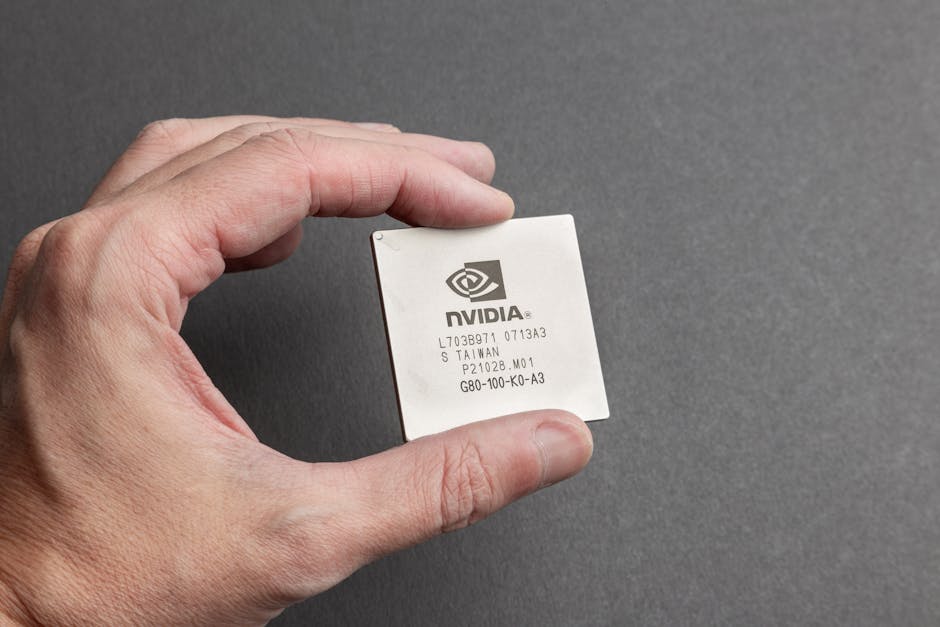
The strategic reforms are some of Nokia’s most significant announcements since Nvidia’s $1 billion investment in developing AI-driven Radio Access Network (AI-RAN) and 6G platforms. With sweeping changes underway, Nokia is positioning itself as a leader in integrating AI into connectivity solutions, harnessing the potential of the AI supercycle, and redefining the future of telecommunications.