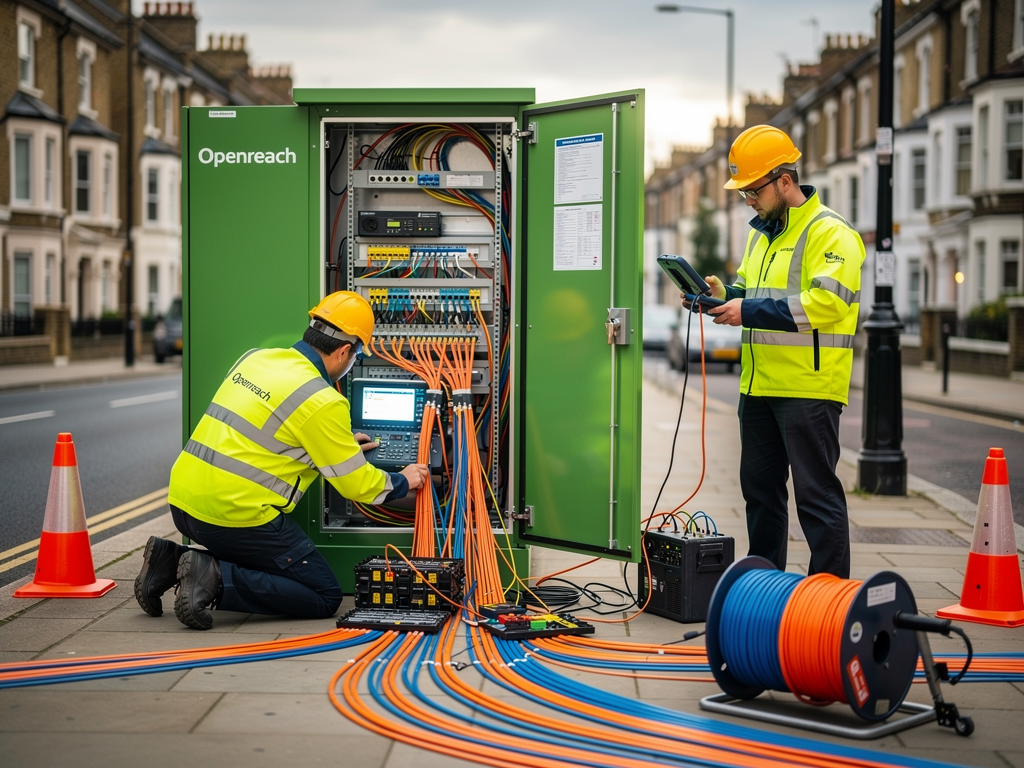
Navigating the Openreach Network Rearrangement in 2024: A Deep Dive
The landscape of telecommunications is constantly evolving, and 2024 marks a significant year for UK residents and businesses with the much-anticipated Openreach network rearrangement. This extensive project aims to modernize the nation’s digital infrastructure, paving the way for faster, more reliable internet services. However, such large-scale changes inevitably bring questions and potential disruptions. Understanding the scope of this rearrangement, its implications for your current services, and how to prepare is crucial for a seamless transition. This guide will equip you with the knowledge needed to navigate the Openreach network rearrangement effectively, ensuring you stay connected without unnecessary hassle.
As Openreach, the UK’s digital network company, continues its mission to upgrade connectivity, the 2024 network rearrangement is a pivotal step. It involves decommissioning older copper-based infrastructure in favor of full-fibre broadband. This transition is not just about speed; it’s about future-proofing the network for the ever-increasing demand for data. For consumers and businesses alike, this means potential changes to their internet service providers and the underlying technology. We will explore the key aspects of this transition, from what the rearrangement entails to the practical steps you can take to adapt.
Key Takeaways
- The Openreach network rearrangement in 2024 focuses on migrating from copper to full-fibre broadband.
- This transition will eventually lead to faster, more reliable internet speeds nationwide.
- Customers may need to switch providers or upgrade their equipment to maintain service.
- Proactive planning and understanding the timeline are essential for a smooth transition.
- The rearrangement impacts both residential and business customers across the UK.
- Stay informed about local rollout plans and communicate with your current internet provider.
Understanding the Scope of the Openreach Network Rearrangement
The core objective of the Openreach network rearrangement in 2024 is the nationwide transition from the Public Switched Telephone Network (PSTN) and traditional copper lines to a full-fibre broadband infrastructure. This means that the old copper network, which has served the UK for decades, will gradually be retired. Openreach is investing billions of pounds to lay new fibre optic cables directly into homes and businesses, offering significantly higher bandwidth and greater reliability. This process is not an overnight switch; it’s a phased rollout that will span several years, with 2024 being a critical year for acceleration and significant changes.
The scale of this project is immense, involving the upgrade of infrastructure in thousands of exchange areas across the country. Openreach is systematically working through different regions, upgrading the network and then eventually withdrawing the copper services. This phased approach allows for better management of the transition and minimizes widespread disruption. For many, this will mean their current copper-based broadband and landline services will eventually stop working, necessitating a move to a fibre-based service. Understanding your local area’s timeline is key to preparing for this inevitable shift.
Why is the Network Rearrangement Happening?
The primary driver behind the Openreach network rearrangement is the obsolescence and limitations of the existing copper network. Copper cables, while foundational for decades, are susceptible to weather damage, signal degradation over distance, and simply cannot support the high-speed data demands of modern digital life. Services like high-definition video streaming, cloud computing, remote working, and advanced online gaming require significantly more bandwidth than copper can reliably provide. Furthermore, maintaining the aging copper network is becoming increasingly costly and complex.
Full-fibre optic technology, on the other hand, offers a future-proof solution. Fibre optic cables transmit data using light signals, which allows for speeds that are orders of magnitude faster than copper. They are also far more resilient, less prone to interference, and require less maintenance. By moving to a full-fibre network, Openreach aims to provide a more stable and robust platform for the UK’s digital future, supporting innovation and economic growth. This strategic shift is essential to keep pace with global technological advancements and meet the escalating needs of consumers and businesses.
Impact on Residential Customers
For most residential customers, the Openreach network rearrangement in 2024 signifies a move towards better internet performance. As the copper network is phased out, customers will be encouraged or required to switch to full-fibre broadband services. This typically means choosing a new package from their existing internet service provider (ISP) if they offer fibre, or switching to a different ISP altogether that operates on the Openreach full-fibre network. The benefits include significantly faster download and upload speeds, lower latency, and a more stable connection, which is ideal for households with multiple users and devices.
However, this transition isn’t without its considerations. Customers will need to ensure their equipment, such as routers, is compatible with fibre services. Additionally, the way landline phone services work will change; many fibre services use Voice over IP (VoIP) technology, meaning the landline will run over the internet connection rather than a separate copper line. This might require a new phone or adapter. It’s essential for customers to engage with their ISP to understand the specific changes affecting their service and the timeline for their area. Proactive upgrades can prevent service interruptions.
Impact on Business Customers
Businesses often rely heavily on stable and high-speed internet connectivity, making the Openreach network rearrangement in 2024 a critical consideration. The move to full-fibre offers substantial advantages, including the ability to support demanding business applications, cloud services, video conferencing, and large data transfers with greater efficiency. Faster upload speeds are particularly beneficial for businesses that regularly send large files or utilize cloud-based backup solutions. The increased reliability also means less downtime, which can translate directly into cost savings and maintained productivity.
Businesses need to assess their current network usage and future requirements. The transition away from copper means that traditional phone lines and older broadband technologies will eventually cease to function. Companies should work closely with their IT departments or external consultants to plan their migration strategy. This might involve upgrading their internal network infrastructure to accommodate higher speeds and new technologies like VoIP. Understanding the migration schedule provided by Openreach and their ISP is paramount to avoid business disruption. What are the key differences between copper and fibre for business continuity?
Preparing for the Transition: Actionable Steps
The most crucial step in navigating the Openreach network rearrangement in 2024 is to stay informed and proactive. Begin by checking the Openreach website or contacting your current ISP to understand the rollout timeline for your specific location. Many ISPs provide tools or notifications regarding upcoming changes. Once you know when the switch is planned for your area, assess your current internet usage and needs. Do you need faster speeds? Are your current devices compatible with fibre technology?
Here are some actionable steps you can take:
- Check Your Eligibility for Fibre: Visit the Openreach or your ISP’s website to see if full-fibre is available at your address.
- Communicate with Your ISP: Discuss your options for upgrading to a fibre service. Understand the costs, contract terms, and installation process.
- Assess Your Equipment: Ensure your router and any other networking hardware will be compatible with a fibre connection. Your ISP will typically provide a new router.
- Plan for Landline Changes: If you rely on a traditional landline, understand how VoIP services will work and if you need any adapters or new phones.
- Consider Business Needs: For businesses, conduct a thorough audit of current and future bandwidth requirements and plan IT infrastructure upgrades accordingly.
The Future of Connectivity with Full Fibre
The ongoing Openreach network rearrangement is fundamentally about embracing the future of digital connectivity. Full-fibre broadband is not just an incremental improvement; it’s a generational leap that unlocks new possibilities for how we live, work, and interact. From enabling seamless remote education and advanced telehealth services to powering smart homes and cities, the robust infrastructure provided by fibre is essential. It lays the groundwork for emerging technologies that we haven’t even imagined yet, ensuring the UK remains competitive in a digital-first world.
As the copper network is retired, the transition might seem daunting, but the long-term benefits are undeniable. Faster speeds, greater reliability, and increased capacity will empower individuals and businesses across the nation. Openreach’s commitment to this extensive upgrade signifies a major investment in the UK’s digital future. Embracing this change proactively will ensure you can take full advantage of the enhanced services and opportunities that full-fibre connectivity brings. Are you ready to experience the benefits of a truly modern fibre broadband network?
“The move to a full-fibre network is essential for the UK’s digital future. It underpins everything from economic growth and innovation to the way we connect with each other daily.” – Industry Expert
Conclusion
The Openreach network rearrangement in 2024 represents a significant, albeit necessary, evolution in the UK’s telecommunications infrastructure. By migrating from the aging copper network to advanced full-fibre technology, Openreach is setting the stage for a faster, more reliable, and future-proof digital landscape. While this transition requires adaptation from both residential and business customers, understanding the process and preparing in advance can mitigate potential disruptions. Staying informed about local rollout plans, communicating with your internet service provider, and assessing your connectivity needs are key steps to ensuring a smooth migration.
Embracing this change is an opportunity to unlock the full potential of the digital world. Faster speeds, improved stability, and greater capacity will enhance everything from entertainment and remote work to business operations and emerging technologies. By proactively navigating the Openreach network rearrangement, you can ensure that your connectivity keeps pace with the demands of modern life and prepares you for the innovations of tomorrow. Are you ready to make the switch and experience the power of full-fibre broadband?