Navigating Openreach Network Rearrangement: What You Need to Know
The telecommunications landscape is constantly evolving, and at its heart lies the robust infrastructure managed by companies like Openreach. One significant process impacting service providers and end-users alike is Openreach network rearrangement. This complex undertaking involves the strategic modification and upgrading of the physical network infrastructure, often to introduce new technologies, improve capacity, or consolidate existing assets. Understanding its intricacies is crucial for businesses relying on stable connectivity and consumers who expect seamless service delivery. As the digital backbone of the UK, Openreach’s decisions directly influence the quality, speed, and availability of broadband and voice services for millions.
This guide aims to demystify the concept of Openreach network rearrangement, exploring its purpose, the typical stages involved, and the potential implications for everyone connected to the network. We will delve into why these changes are necessary, how they are managed, and what steps you can take to prepare for and adapt to them. Whether you are a service provider, a business owner, or an individual consumer, gaining a clear perspective on these network evolutions will empower you to manage your connectivity expectations and requirements effectively.
Key Takeaways
- Openreach network rearrangement is the planned modification of telecommunications infrastructure to enhance services, introduce new technologies, or improve efficiency.
- These rearrangements are essential for upgrading networks, such as the move from copper to fibre, and are driven by technological advancements and increasing data demands.
- Customers may experience temporary service disruptions during rearrangement phases, making proactive communication and planning vital.
- Service providers play a critical role in managing customer communication and facilitating transitions during network changes.
- Understanding the process helps both businesses and consumers prepare for potential impacts and leverage new service opportunities.
Why is Openreach Network Rearrangement Necessary?
The primary driver behind Openreach network rearrangement is the relentless pursuit of technological advancement and the ever-increasing demand for faster, more reliable connectivity. The legacy copper network, while foundational, has limitations in terms of speed and capacity compared to modern fibre optic technology. Openreach’s strategic goal is to transition the majority of its network to fibre-to-the-premises (FTTP), offering significantly higher download and upload speeds and greater reliability. This transition requires substantial physical work, including the installation of new fibre cables, the decommissioning of old copper lines in certain areas, and the reconfiguration of network points. Furthermore, network rearrangement often addresses capacity bottlenecks, ensuring that the network can handle the surge in data traffic generated by streaming services, cloud computing, remote working, and the growing Internet of Things (IoT).
Another significant reason for network rearrangement stems from the need for operational efficiency and cost-effectiveness. Consolidating network assets, simplifying complex legacy systems, and retiring outdated equipment can lead to reduced maintenance costs and a more streamlined operational model. This allows Openreach to reinvest resources into deploying next-generation technologies more rapidly. For instance, replacing multiple disparate systems with a unified, modern infrastructure can improve fault detection and resolution times, ultimately benefiting the end-user experience. The ongoing evolution of communication standards and the emergence of new services also necessitate infrastructure upgrades, making rearrangement a continuous and necessary process.
Technological Evolution and Demand
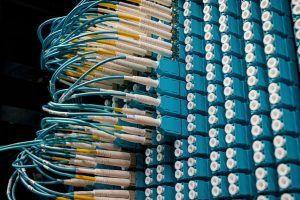
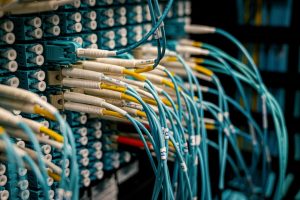
The shift from traditional copper-based telephony and broadband to fibre optics is perhaps the most prominent example of network rearrangement in action. Fibre optic cables transmit data using light signals, offering vastly superior bandwidth and lower latency than copper. This upgrade is not merely about speed; it’s about future-proofing the network for the demands of the next decade and beyond. As applications become more data-intensive, such as high-definition video conferencing, virtual reality, and advanced cloud services, the capacity provided by fibre becomes indispensable. Openreach’s strategic investment in fibre deployment is a direct response to these evolving technological needs and consumer expectations.
Operational Efficiency and Modernization
Beyond technological upgrades, rearrangement efforts also focus on streamlining network operations. This can involve consolidating physical network points, optimizing cable routes, and updating management systems. By modernizing its infrastructure, Openreach aims to reduce the complexity of its network, making it easier to manage, maintain, and repair. This modernization often leads to improved network resilience and faster restoration times in the event of an outage. A more efficient network is also a more sustainable one, potentially reducing energy consumption and environmental impact.
The Process of Openreach Network Rearrangement
Openreach network rearrangement is a meticulously planned process that typically involves several distinct phases. It begins with extensive surveys and design work to map out the required changes, identify potential challenges, and determine the most efficient deployment strategy. This often includes detailed analysis of existing infrastructure, customer locations, and geographical features. Following the design phase, a period of consultation usually occurs, particularly with communication providers (CPs) who utilize the Openreach network to deliver services to their customers. CPs are informed about upcoming changes, potential impacts, and timelines so they can prepare their own systems and customer communications.
The physical implementation phase is where engineers carry out the necessary work, which could range from installing new fibre optic cables alongside existing copper ones to, in some cases, disconnecting old copper lines. This phase requires careful coordination to minimize disruption to ongoing services. Often, work is scheduled during off-peak hours or in stages to manage the impact. Throughout the process, rigorous testing and quality assurance checks are performed to ensure the new or modified network components function correctly and meet performance standards. Finally, there is a decommissioning phase for any legacy equipment or infrastructure that is being retired, ensuring a clean transition.
Planning and Design
Before any physical work commences, Openreach invests significant resources in planning and design. This involves detailed mapping of the existing network, assessing the feasibility and cost of proposed changes, and developing engineering plans. For large-scale projects like fibre rollouts, this stage can take months or even years, involving complex logistical considerations. The design must account for factors such as duct availability, street furniture, property access, and environmental regulations. Accurate planning is paramount to ensure the rearrangement is executed efficiently and with minimal unintended consequences. This phase often utilizes advanced surveying technologies and data analytics to optimize the deployment strategy.
Consultation and Communication
Effective communication is a cornerstone of successful network rearrangement. Openreach engages with its wholesale customers – the communication providers (CPs) – throughout the process. CPs are notified well in advance of planned work in their areas, allowing them to prepare their operational teams and inform their end-user customers. This communication includes details about the nature of the work, expected timelines, potential service impacts, and the benefits of the upgrade. For consumers, communication typically flows through their chosen service provider, who will relay information about planned outages or changes affecting their specific service. Clear and timely communication helps manage customer expectations and reduces frustration during the transition period.
Implementation and Testing
The physical execution of network rearrangement involves skilled engineers carrying out the planned work on the ground. This may include digging trenches for new fibre optic cables, connecting new equipment, and performing tests to verify connectivity and performance. For example, during a fibre upgrade, engineers will install fibre optic cables from the local street cabinet all the way to the customer’s premises. Rigorous testing is conducted at multiple points in the network to ensure that data is transmitted reliably and at the expected speeds. This testing phase is critical for validating the success of the rearrangement and ensuring that the new infrastructure meets the high standards required for modern telecommunications services. Quality assurance is non-negotiable.
Potential Impacts on Consumers and Businesses
For end-users, whether individuals or businesses, the most immediate impact of Openreach network rearrangement can be temporary service disruptions. During the transition from copper to fibre, or during significant upgrades to existing infrastructure, there may be planned or unplanned periods where broadband or phone services are unavailable. Openreach and the service providers aim to minimize these disruptions, often scheduling work during low-usage hours and providing advance notice. However, unforeseen issues can arise, and it’s essential for consumers and businesses to have contingency plans in place, especially if their operations are heavily reliant on continuous connectivity.
Beyond temporary outages, the long-term effects are overwhelmingly positive. The primary benefit is access to significantly faster and more reliable internet services. For businesses, this can translate into improved productivity, enhanced collaboration through better video conferencing, and the ability to adopt more advanced cloud-based applications. For consumers, it means smoother streaming, faster downloads, and a more seamless online experience. It’s also important to note that as certain areas transition to fibre, the old copper network may eventually be phased out, meaning some services might only be available over the new infrastructure. Therefore, staying informed about planned network changes in your area is crucial for ensuring you can continue to access the best available services.
Service Disruptions
Temporary disruptions are an almost inevitable part of any large-scale infrastructure upgrade. During the process of installing new fibre lines or reconfiguring network points, your existing internet or phone service might be temporarily interrupted. Openreach typically provides advance notice of planned work through communication providers, allowing users to prepare for potential downtime. However, unexpected technical issues can sometimes lead to unplanned outages. It’s advisable for businesses, in particular, to have backup connectivity solutions or to schedule critical operations around known maintenance windows. Having a direct line of communication with your service provider can help you stay informed about any upcoming disruptions in your locality.
Improved Service Quality and Speed
The ultimate goal of Openreach network rearrangement is to deliver superior connectivity. Once the transition to fibre is complete, users can expect dramatic improvements in internet speeds, particularly upload speeds, which are crucial for video calls and cloud services. Fibre optic connections are also less susceptible to interference and degradation over distance compared to copper, leading to a more stable and reliable service. This enhanced quality of service can unlock new possibilities for businesses, enabling them to leverage advanced digital tools and services more effectively. For households, it means a better experience for online gaming, streaming high-definition content, and supporting multiple connected devices simultaneously without performance issues.
How to Prepare for Network Rearrangement
Preparing for Openreach network rearrangement primarily involves staying informed and communicating effectively with your service provider. Begin by checking if there are any planned network upgrades in your area. Openreach often provides information through its website, and your communication provider should also be able to offer details about upcoming work and potential impacts on your service. Understanding the timeline for these changes will allow you to plan accordingly, especially if your business operations depend heavily on internet connectivity.
Furthermore, consider what upgrades or changes you might need to make to your own internal systems or equipment to take full advantage of the new network capabilities. For example, if you are upgrading to a much faster fibre connection, ensure your routers, Wi-Fi equipment, and any network-attached devices are capable of handling the increased speeds. If you are a business owner, assess how faster and more reliable connectivity could benefit your operations and explore new digital tools or services that become viable with improved bandwidth. Proactive preparation ensures you can seamlessly transition and maximize the benefits of the modernized network.
Stay Informed
The first step in preparing for any network rearrangement is to actively seek information. Visit the Openreach website or contact your internet service provider to inquire about any upcoming infrastructure work in your specific location. Many providers have online portals where you can check the status of network upgrades or planned maintenance. Understanding the scope of the work, the expected duration, and the potential impact on your service is crucial. Knowledge is your best tool for navigating these changes smoothly.
Assess Your Needs
Once you are aware of upcoming changes, take the opportunity to assess your current and future connectivity needs. Are your current internet speeds sufficient for your household or business operations? Will the upcoming upgrade provide the performance you require? Consider how faster speeds and improved reliability could enhance your productivity or online experience. This assessment might lead you to consider upgrading your service plan or investing in new equipment, such as a more powerful router or Wi-Fi extenders, to fully benefit from the enhanced network infrastructure. For businesses, this is an opportune moment to evaluate digital transformation strategies that rely on robust connectivity.
Communicate with Your Provider
Maintain open lines of communication with your internet service provider. They are your primary point of contact for understanding how network rearrangements will affect your specific service. Ask them about the process, any potential downtime, and what steps you need to take, if any. If you are a business with critical connectivity requirements, discuss your needs with your provider to explore options for minimizing disruption, such as temporary solutions or scheduled maintenance windows. A proactive dialogue ensures that you are well-prepared and your concerns are addressed effectively.
The Role of Communication Providers (CPs)
Communication Providers (CPs), also known as Internet Service Providers (ISPs), act as the crucial intermediary between Openreach and the end-user. When Openreach undertakes network rearrangement, CPs are responsible for relaying vital information to their customers. This includes notifying them about planned work, potential service interruptions, and the benefits of the upgrades. CPs must also adapt their own systems and processes to align with the changes in the underlying network infrastructure. For instance, if Openreach is rolling out new fibre services, CPs need to update their product offerings and train their support staff to handle customer queries related to these new technologies.
Moreover, CPs play a significant role in managing the customer experience during these transitions. They handle customer inquiries, troubleshoot issues that may arise, and facilitate the migration of services from old infrastructure to new. The effectiveness of a CP in managing these changes can significantly impact customer satisfaction. A proactive and transparent approach from the CP, coupled with efficient technical support, can turn a potentially disruptive process into a positive upgrade experience for the customer. Essentially, CPs translate the technical complexities of network rearrangement into understandable terms and actionable steps for their end-users, ensuring a smoother journey through the evolution of the network.
Information Dissemination
CPs are the primary channel through which end-users receive information about Openreach network rearrangement. They translate technical updates from Openreach into customer-friendly communications, detailing what changes are happening, when, and what impact they might have. This includes providing advance notice of planned maintenance or service migrations. Effective information dissemination by CPs helps customers prepare for potential downtime and understand the benefits of the upgrades they are receiving.
Customer Support and Service Migration
When network changes occur, CPs are on the front line for customer support. They assist customers in understanding how the changes affect their current service, guide them through any necessary upgrades or migrations, and help resolve any technical issues that may arise. A smooth service migration, facilitated by a responsive and knowledgeable CP, is key to maintaining customer satisfaction during periods of network evolution. Their role ensures that customers can seamlessly transition to new and improved services without significant disruption.
Conclusion
Understanding Openreach network rearrangement is essential for anyone connected to the UK’s telecommunications infrastructure. These complex but necessary processes are the driving force behind the modernization of our digital backbone, enabling faster speeds, greater reliability, and the deployment of next-generation services. While temporary disruptions can occur, the long-term benefits of enhanced connectivity for both consumers and businesses are substantial. By staying informed, assessing your needs, and maintaining open communication with your service provider, you can navigate these changes effectively and be well-positioned to harness the full potential of an upgraded network.
The ongoing evolution of the telecommunications network is a continuous journey, and Openreach network rearrangement is a critical part of that evolution. As technology advances and our reliance on digital connectivity deepens, these infrastructure upgrades will become even more frequent and impactful. Embracing these changes proactively allows us to leverage the opportunities they present, from improved business efficiency to richer digital experiences at home. What steps are you taking to prepare your home or business for the next wave of network upgrades in your area?