Qualcomm CEO: India’s AI Potential Mirrors Mobile Internet Success
Qualcomm CEO Cristiano Amon Sees India’s AI Future in Its Mobile Internet Playbook

In a recent interview with ETTelecom, Qualcomm CEO Cristiano Amon highlighted India’s unique opportunity to leverage its mobile internet success as a blueprint for AI leadership. Amon pointed to India’s rapid mobile adoption—where the country leapfrogged traditional infrastructure to become a digital leader—as a model for how it could approach artificial intelligence development. He emphasized that India’s experience in building localized solutions, investing in startups, and creating massive-scale digital ecosystems positions it uniquely for AI dominance.
Why India’s Mobile Internet Strategy Matters for AI

India’s mobile internet transformation offers crucial lessons for AI development. The country skipped landline infrastructure entirely in many regions, moving directly to mobile networks that now serve over 1.2 billion connections. This “leapfrog” approach allowed India to build customized solutions for local needs—exactly what’s needed for AI success. Amon noted that India’s ability to develop context-aware mobile applications (like UPI for digital payments) demonstrates the kind of localized innovation that will drive AI adoption.
Qualcomm’s own strategy reflects this understanding. The company is pursuing a “hybrid AI” approach where processing happens both on devices and in the cloud—perfect for markets like India with diverse connectivity conditions. Their Snapdragon platforms now include dedicated AI processors capable of running large language models directly on smartphones, reducing dependency on constant cloud access. This aligns with India’s need for solutions that work across varying infrastructure levels.
What This Means for AI Content Creators and Strategists

India’s emerging AI landscape presents both challenges and opportunities for content professionals:
- Local Context is King: Just as mobile apps succeeded by addressing Indian-specific needs, AI content must be culturally and linguistically relevant. The 22 official languages and diverse regional contexts require more than simple translation—they demand genuine localization.
- Infrastructure Diversity Demands Flexibility: Content delivery systems must account for varying connectivity speeds and device capabilities across India’s urban-rural divide.
- Startup Ecosystem Acceleration: With Qualcomm investing in Indian AI startups through its $100 million venture fund, new tools and platforms are emerging that could reshape content creation workflows.
- Sovereign AI Development: India’s push for domestic AI capabilities means content creators may soon have access to locally-trained models optimized for Indian contexts.
Practical Tips for Navigating India’s AI Content Landscape
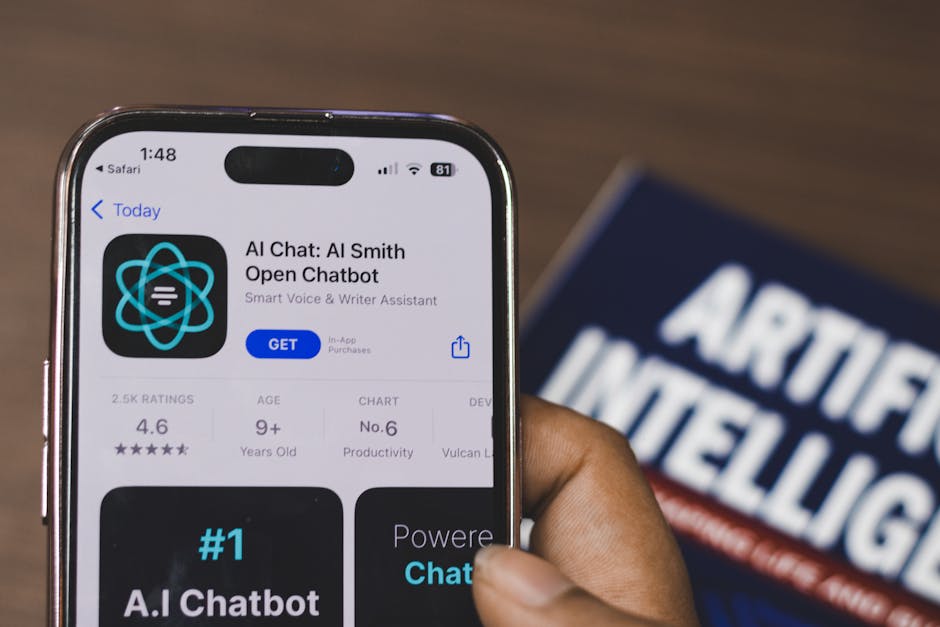
Based on Amon’s insights and India’s mobile trajectory, here are actionable strategies:
- Adopt Hybrid AI Workflows: Implement tools like EasyAuthor.ai that combine cloud-based generation with on-device optimization for faster turnaround and offline capabilities.
- Prioritize Mobile-First Content: With India’s 750+ million smartphone users, ensure all content is optimized for mobile consumption first, desktop second.
- Leverage Regional Language Models: Explore AI tools specifically trained on Indian languages and contexts rather than relying solely on Western-centric models.
- Build for Variable Connectivity: Create content that remains valuable even with intermittent internet access—downloadable formats, progressive loading, and offline functionality.
- Monitor Startup Innovations: Track Indian AI startups (many funded by Qualcomm’s venture arm) for emerging tools that address local content creation challenges.
The Road Ahead: India’s AI Content Revolution

Qualcomm’s perspective signals a broader shift: AI development is becoming increasingly localized and infrastructure-aware. For content creators, this means moving beyond one-size-fits-all approaches to embrace region-specific strategies. India’s mobile internet success—built on customization, scalability, and leapfrog innovation—provides a proven playbook. As Amon noted, the same factors that made India a mobile powerhouse (large market, entrepreneurial spirit, government support) could propel it to AI leadership.
The key takeaway for AI content professionals is clear: understand local contexts, build flexible systems, and prepare for a future where AI tools are as diverse as the markets they serve. India’s journey from mobile adoption to AI innovation offers valuable lessons for anyone creating content in today’s globalized digital landscape.