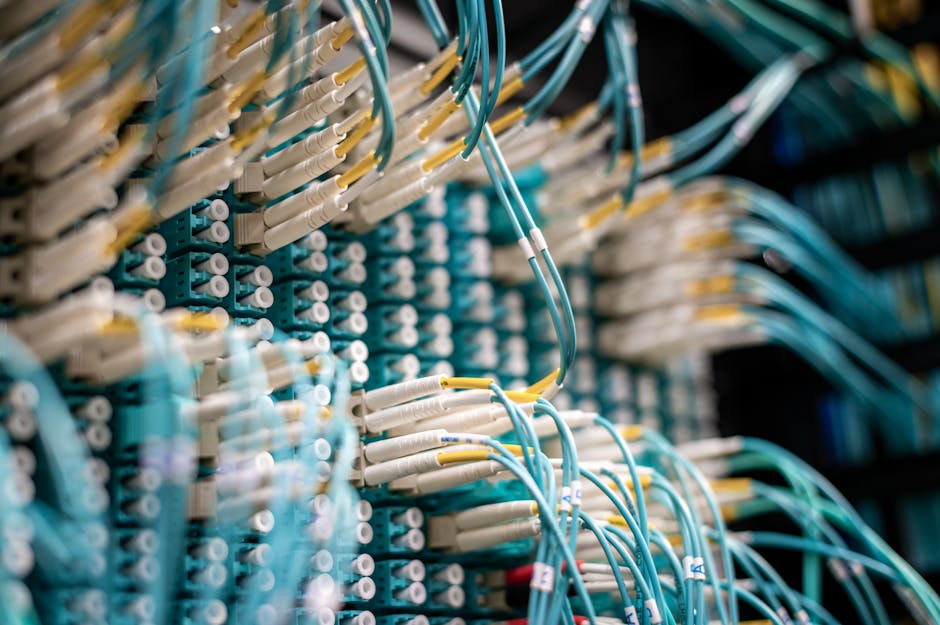
Revolutionizing Wireless Infrastructure with Drone-Powered Digital Twins
The gap between wireless infrastructure design and on-site installations has long plagued the telecom industry. Precise plans with explicit details covering antenna height, tilt, azimuth, and orientation often diverge significantly from real-world outcomes. Legacy equipment, undocumented mounts, and the unpredictable nature of human error all contribute to installation discrepancies. While these issues were once accepted as standard, the advent of 5G and fixed wireless access (FWA) has changed the game, demanding far greater installation precision. Even minor misalignments in antenna height or tilt can disrupt coverage or create interference, causing financial and operational headaches for providers.
The Growing Urgency for Precision in 5G Deployments
Pexels
As 5G networks usher in next-generation technology like multiple-input, multiple-output (MIMO) systems and beam-forming arrays, the importance of accurate installation becomes non-negotiable. These advanced systems depend on meticulous placement, alignment, and orientation to deliver on their promise of high throughput and ultra-low latency. However, the gap between “as-designed” and “as-built” realities often results in higher costs, delayed rollouts, and compromised network reliability. The industry is now prioritizing solutions to bridge this gap, recognizing that outdated practices are incompatible with the precision required for robust 5G networks.
Digital Twins and Drone Inspections: A Game-Changer
Pexels
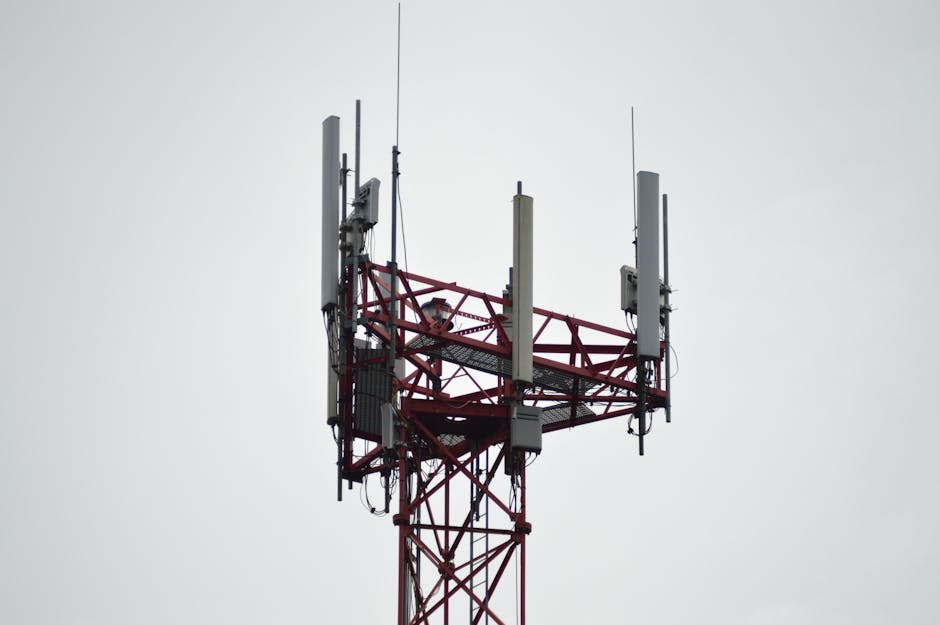
Emerging technologies such as digital twins and drone-powered site validation are redefining wireless infrastructure management. Companies like vHive are at the forefront of this revolution, offering innovative solutions to improve installation accuracy. Their process begins with a pre-construction drone survey, capturing a detailed “as-is” state of tower sites. This real-world data is then used to build a digital twin, a high-fidelity virtual model that lays the groundwork for precise upgrade plans. Post-installation, drones revisit the site to capture the updated configuration. By comparing the digital twin with the real-world installation, engineers can identify and fix discrepancies in real time, ensuring the project aligns exactly with the original design.
Benefits Across Stakeholders in the Network Ecosystem

Pexels
The adoption of drone inspections and digital twins leads to substantial benefits for all stakeholders in the telecom ecosystem. Contractors can significantly reduce site visit costs, as issues are addressed immediately rather than during post-hoc inspections. Mobile network operators (MNOs) gain the assurance that their towers will perform as expected, minimizing disruptions in network launch and integration. Additionally, tower owners benefit from a shared and verified record of installations, reducing disputes related to tenancy, equipment placement, and billing. This methodology transforms what was once considered “good enough” into a streamlined, precise process powered by advanced technology.
A New Standard for Wireless Infrastructure

Pexels
By combining drone surveys, digital twins, and technology-driven validation methods, the wireless industry is setting a new standard for infrastructure upgrades. These innovations are paving the way for more dependable and predictable network deployments, ensuring the challenges inherent in 5G rollouts are mitigated. As networks grow denser with small cells, distributed antenna systems, and rooftop nodes, the complexity of installation increases, making precision tools and methods all the more essential. For decision-makers in network rollout and infrastructure investment, these advancements promise enhanced reliability, reduced costs, and better business outcomes — a win for the entire telecom sector.