The Rise and Struggles of Open RAN: A Closer Look at Its Journey
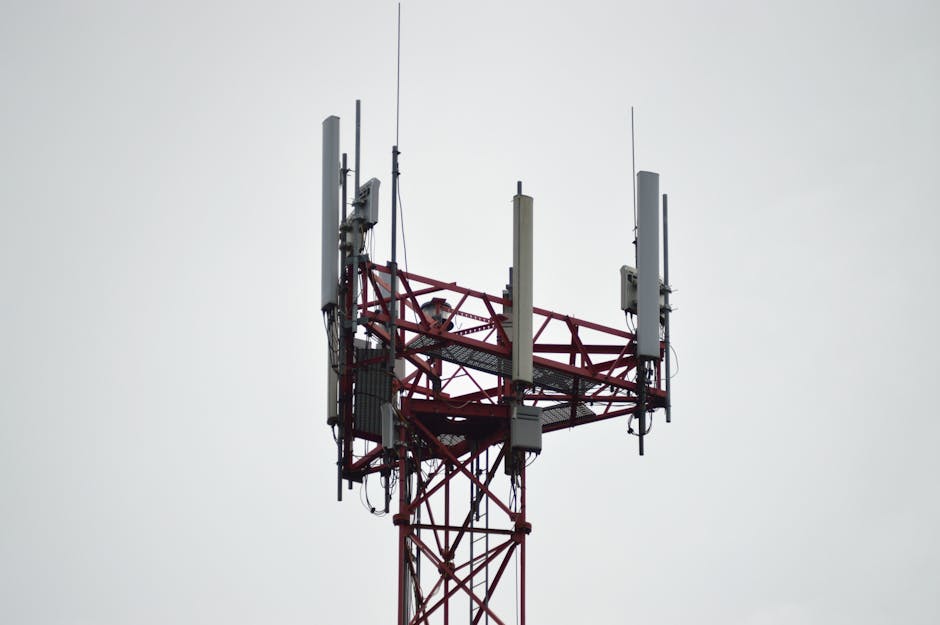
Over the last several years, the concept of open RAN (Radio Access Network) has sparked enthusiasm within the telecommunications industry. Originally hailed as a game-changer, open RAN was designed to disrupt vendor monopolies and bring interoperability to mobile network infrastructure. However, recent developments suggest this ambitious vision may be faltering, with setbacks in key projects and major players retreating. Let’s dive deeper into the journey of open RAN, its challenges, and the broader implications for the industry.
The Promise of Open RAN
Pexels
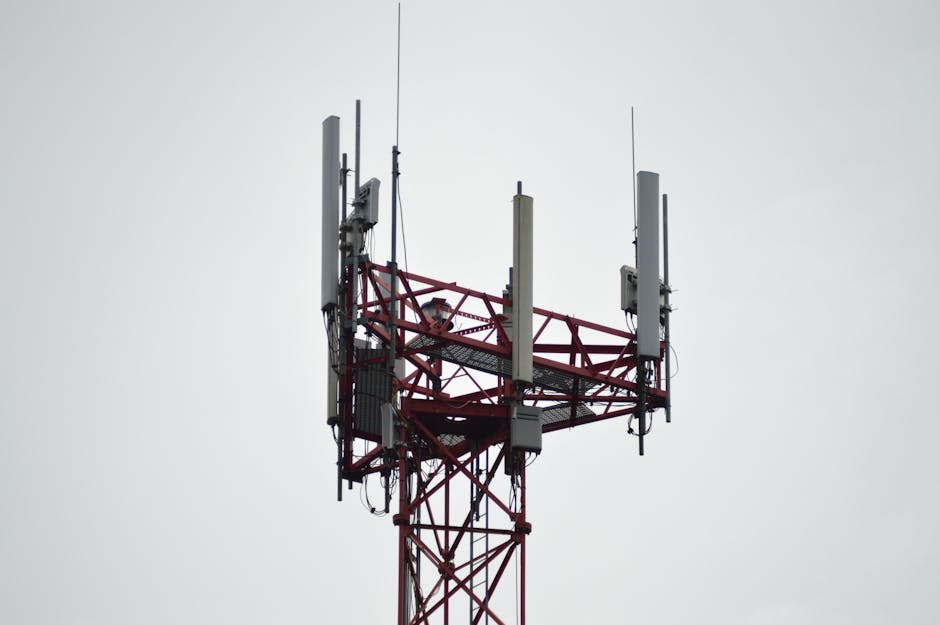
Launched with high hopes seven years ago, open RAN aimed to standardize interfaces, enabling telecom operators to mix and match components from multiple vendors. This promised operators greater flexibility and reduced dependency on dominant manufacturers like Huawei, Ericsson, and Nokia. By encouraging smaller, specialized companies to compete in the radio access market, open RAN also sought to foster innovation and drive down costs.
Initially, global telcos embraced the concept, envisioning a future where mobile networks could be seamlessly built using best-of-breed solutions from a variety of vendors. Open RAN’s potential to increase competition and break vendor lock-in led to widespread trials and considerable investments. However, despite its promise, several roadblocks have hindered its adoption.
Key Setbacks in 2025

Pexels
The year 2025 has been pivotal for open RAN, but not in ways enthusiasts had hoped. One of the most significant blows came from Mavenir, one of the leading advocates for open RAN innovation, which announced its exit from radio unit manufacturing. While Mavenir continues to develop software, the retreat from hardware production has raised concerns about the long-term sustainability of open RAN business models.
EchoStar’s decision to dismantle its open RAN infrastructure has delivered another heavy blow. The company, once seen as a major proponent of the technology in the U.S., is now offloading spectrum assets to giants like Elon Musk’s ventures and AT&T. This move underscores the difficulty of greenfield deployments and the financial risks associated with the ambitious goals of open RAN projects.
Global Implications and Areas of Resilience

Pexels
While much of the news surrounding open RAN has been bleak, there are bright spots. Samsung has secured contracts with major players like Vodafone in various European markets, showcasing the viability of open RAN on a smaller scale. Similarly, Canada’s Telus has bucked the trend by committing to a full-scale, multivendor open RAN deployment, offering hope for the concept’s future.
Nevertheless, many industry leaders question the practicality of open RAN when dominant vendors like Ericsson and Nokia remain deeply entrenched. In some cases, their compatibility with open RAN standards has fortified their market positions, perpetuating the very oligopoly the technology sought to dismantle. This paradox has left many wondering whether open RAN is truly transformative or merely a rebranding of traditional practices with minor innovations.
The Road Ahead for Open RAN

Pexels
As the telecom industry navigates open RAN’s challenges, questions about its destiny remain unanswered. Can smaller vendors defy the odds to gain market traction, or will the technology consolidate under the same industry heavyweights? The answers may lie in future innovations, evolving business models, and regulatory support for a competitive marketplace.
For now, open RAN’s journey stands as a testament to the complexities of disrupting well-entrenched markets. Although the technology has encountered significant obstacles, its potential to reshape mobile networks means it cannot be entirely written off. Stakeholders, from telcos to policymakers, must collaborate to ensure open RAN achieves its vision of a more flexible, competitive, and innovative telecom landscape.