Rural Broadband Revolution: Key Insights from Dr. Christopher Ali’s Fiber for Breakfast Discussion
The future of rural broadband connectivity is at the forefront of policy discussions, and Dr. Christopher Ali, a leading voice in this space and author of Farm Fresh Broadband, shared critical insights during his recent discussion on Fiber for Breakfast. Delving into key topics such as the Broadband Equity, Access, and Deployment (BEAD) program, digital equity, and the vital role of middle-mile networks, the session emphasized the imperative to bridge the rural-urban divide. Dr. Ali’s journey into rural broadband began with a focus on local journalism and agriculture communication, which evolved into a broader mission: improving connectivity and infrastructure to serve underrepresented communities.
BEAD Program Progress and Challenges

Pexels
Dr. Ali and the host, Gary, explored the progress of BEAD proposal approvals. While acknowledging the program’s momentum, Dr. Ali expressed concerns over the forfeited non-deployment funds under the Digital Equity Act. He noted that states like Pennsylvania and Virginia are losing significant opportunities for advancement, with over $1 billion collectively at stake. Dr. Ali emphasized the moral and legal implications of these funds, urging states to advocate for their rightful allocations. Prioritizing fiber networks in broadband strategies was highlighted as a pivotal move to future-proof connectivity and ensure long-term benefits for rural areas.
The Intersection of Connectivity and Emerging Technologies
Pexels
As discussions shifted to connectivity’s role in driving innovation, Gary underscored research pointing to significant disparities in AI adoption between fiber users and those relying on lower-quality connections. Dr. Ali echoed this sentiment, highlighting that broadband policy must extend beyond speed thresholds. He pointed out the growing demands of multi-user households, where moderate speeds often fall short, leaving families underserved. This emphasizes the need for robust, high-performance networks capable of supporting emerging technologies and the increasing digital demands of modern living environments.
The Vital Role of Fiber and Middle-Mile Networks
Pexels
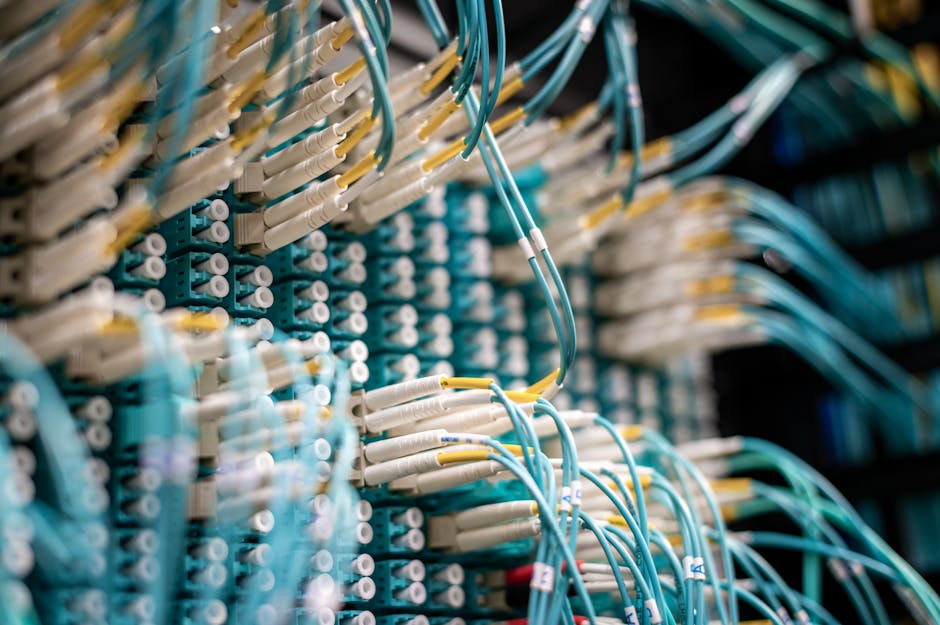
Dr. Ali underscored the importance of fiber as the backbone of all communication networks, referring to wireless as merely “one wire less.” To achieve seamless connectivity, he stressed the necessity of pushing fiber infrastructure as deep as possible, particularly in Tribal and remote regions. Middle-mile capacity remains a significant barrier for these communities, and Dr. Ali cautioned against short-sighted or “just give them something” approaches. Such plans not only fail to address current needs but risk perpetuating systemic issues akin to colonial infrastructure frameworks.
Looking Ahead: Stories from the Digital Divide

Pexels
During the closing moments of the discussion, Dr. Ali shared details about his upcoming book, Where the Wires End: Stories from the Digital Divide. The book compiles real-life stories from individuals and communities grappling with connectivity challenges. Through these narratives, Dr. Ali hopes to shed light on how broadband impacts lives and livelihoods, underscoring its role as more than just an infrastructure issue—but a matter of equity, opportunity, and empowerment. The session’s key takeaway echoed this sentiment: broadband is ultimately about people and closing the digital divide to create a more inclusive future.