Samsung and Intel Achieve Breakthrough in Single-Server vRAN for Telecom Networks
According to TechForge Media, Samsung and Intel have successfully demonstrated the potential of running multiple network functions on a single server, a significant milestone for the telecom industry. This proof-of-concept was validated on a Tier 1 US operator’s live network and marks a critical step toward reducing hardware sprawl and operational costs via virtualized Radio Access Networks (vRAN).
Samsung’s Single-Server vRAN: The Technology Behind the Headlines

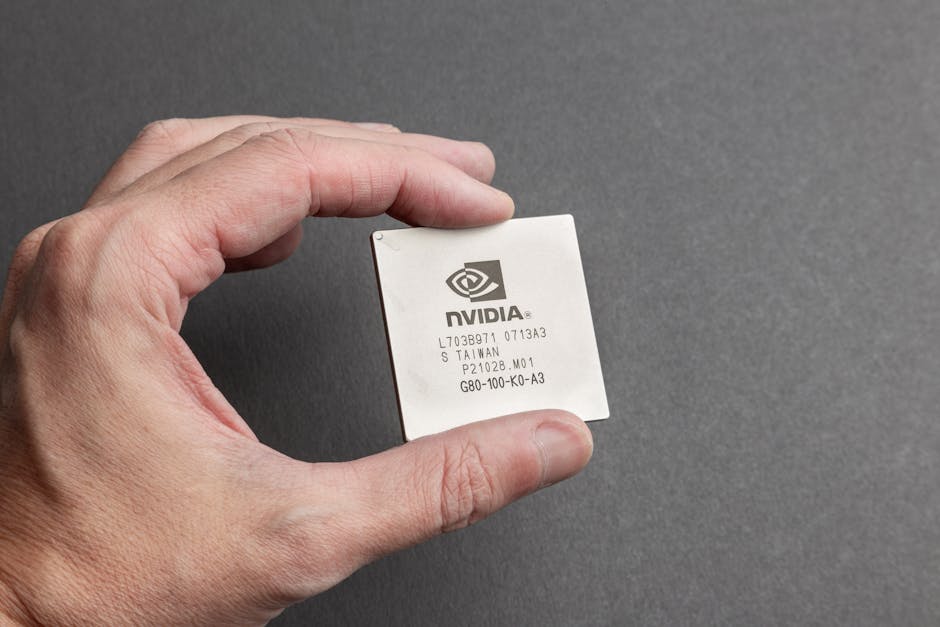
The trial utilized Samsung’s vRAN solution in tandem with Intel’s Xeon 6700P-B processor series. Carried out on a commercial off-the-shelf (COTS) server from Hewlett Packard Enterprise, powered by a Wind River cloud platform, the deployment incorporated Intel’s Advanced Matrix Extensions (Intel AMX) and vRAN Boost technologies to run complex RAN functions and artificial intelligence (AI) workloads simultaneously. Samsung even conducted a live commercial call during this transition, proving its reliability outside the lab.
The key advantage of this technology is consolidation. Traditional networks require separate, proprietary hardware for different functions—radio access, transport, security, and mobile cores—resulting in higher costs and energy consumption. By enabling these tasks on a single, high-density server, operators can drastically lower capital expenditure (CAPEX) and operational expenditure (OPEX), reduce power consumption, and simplify equipment management.
Industry Implications: Why This Matters for Telecom Growth
The telecom industry, which is rapidly migrating toward software-defined and sustainable infrastructure, is under tremendous pressure to optimize costs while preparing for future technologies like 6G. Operators globally face challenges in deploying sustainable networks that can deliver high-speed, reliable connectivity while minimizing their environmental impact.
This breakthrough not only validates the feasibility of such goals but positions Samsung and Intel as pioneers in the maturing Open RAN and vRAN sectors. By bridging AI workloads and resilient networks on a consolidated server architecture, Samsung has further validated the readiness of cloud-native telecom systems for commercial deployment. In doing so, it could accelerate adoption among major competitors including Ericsson, Nokia, and other Open RAN ecosystem players.
Moreover, with features like Intel AMX enhancing memory bandwidth and AI processing, single-server systems unlock opportunities for telcos to deliver AI-native network services at scale. Cristina Rodriguez, Vice President and General Manager of Network & Edge at Intel, highlights that the collaborative effort with partners like Wind River and HPE optimizes innovation delivery while keeping costs low for operators.
Future Outlook: Toward AI-Driven Networks and 6G Evolution

Industry analysts agree that the shift to single-server architectures is a harbinger of the telecom industry’s future. According to Daryl Schoolar, Director at Recon Analytics, this milestone is driving the industry beyond theoretical concepts into practical, scalable innovations. “This marks a turning point where operators can modernize their networks for AI automation and 6G-readiness,” Schoolar observed.
These advancements come with caveats, however. While the consolidation of network functions offers cost savings, it also introduces technical risks such as dependency on fewer physical resources, which demands robust redundancy strategies. Samsung’s end-to-end portfolio, encompassing chipsets, radios, and cores, may streamline integration, but operators will need comprehensive testing frameworks to ensure seamless rollouts without compromising service quality.
June Moon, Executive Vice President of R&D at Samsung Networks Business, emphasized that this deployment represents a meaningful leap in vRAN and AI integration, further paving the way for software-defined networks that are both energy-efficient and future-proof. Additionally, it positions networks to support evolving AI-driven use cases, a critical prerequisite for realizing 6G capabilities.
Final Thoughts

This announcement underscores an ongoing paradigm shift in the telecom industry, where software-defined, AI-native, and sustainable network architectures are now within reach. Samsung and Intel’s milestone not only accelerates the timeline for vRAN maturity but also challenges competitors to keep pace in evolving their hardware and software stacks.
As 6G looms on the horizon, do you think single-server architectures will become the industry standard? What are the strategic priorities operators should focus on as they prepare for this transformative shift? Let us know in the comments.