How Satellite Communication Can Save Lives During Disasters
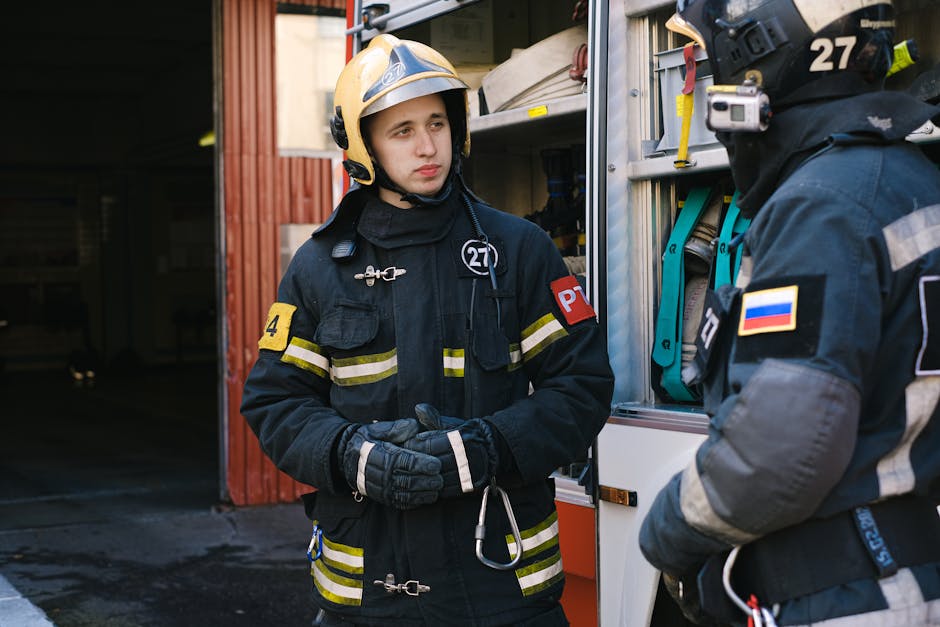
When disaster strikes, communication systems often become the lifeline between life and death. The catastrophic floods in Kerr County, Texas, highlighted a severe flaw in modern emergency response systems: the lack of reliable and redundant communication solutions. In such crises, traditional infrastructure-dependent communication systems can fail, leaving first responders and emergency teams struggling to coordinate life-saving operations. This is where satellite communication technology can make a crucial difference, providing uninterrupted connectivity even in the most challenging conditions.
The Limitations of Traditional Communication Systems

Pexels
Public safety radio systems, traditionally reliant on VHF and UHF, have made significant technological advancements, yet they still face fundamental challenges, particularly in rugged, remote, or disaster-prone areas. These systems depend on terrestrial towers and require a clear line of sight to function effectively. In Kerr County, the newly installed $7 million Motorola system failed during the devastating floods in July. First responders encountered busy signals, distorted messages, and even full blackouts in heavily impacted regions like Camp Mystic, where tragically, 25 lives were lost. Temporary towers were deployed following the disaster, but they offered only a partial solution, underscoring the limitations of infrastructure-based systems.
What this event revealed is not just an issue restricted to Kerr County but a nationwide vulnerability. Communication failure during emergencies is a stark reminder of the consequences of over-reliance on fixed infrastructure. Resilient systems that incorporate redundancy, adaptability, and seamless integrations are vital for effective emergency response.
Why Satellite Communication Is a Game-Changer

Pexels
Unlike conventional communication networks, satellite systems do not require towers, cables, or other forms of ground-based infrastructure. All that is needed is an unobstructed view of the sky. Satellite solutions like MSAT Push-to-Talk (PTT) radios and the U.S. Ligado satellite network redefine reliability by providing uninterrupted, countrywide coverage. These systems are especially critical in areas with challenging terrain or where disasters have damaged existing communication networks.
One of the standout features of satellite-based communication is interoperability. Advanced technologies such as SMART Talk Groups allow for unified, real-time coordination among various agencies, jurisdictions, and regions. This is essential during emergencies when seamless communication between teams and first responders can ensure a faster and more effective rescue or recovery operation. The Kerr County floods serve as a stark example of why agencies should adopt satellite solutions to supplement, rather than replace, existing systems. Integration between technologies can provide multi-layer connectivity, ensuring uninterrupted communication even when one network fails.
The Future: Blended Communication Systems

Pexels
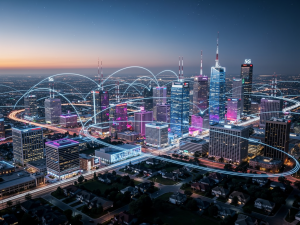
The evolution of communication technology points toward blended systems that integrate multiple connectivity options, including satellite, LTE, Wi-Fi, and broadband. Advances in IoT (Internet of Things), Direct-to-Device (D2D) communication, and software-defined networking (SD-WAN) are paving the way for more flexible systems. These technologies allow responders to use devices such as smartphones in place of traditional radios and automatically switch between networks without losing connection.
Such innovations are key to creating redundancy and ensuring interoperability. Emergency responders could, for instance, switch from a compromised cellular network to a stable satellite connection within seconds. This eliminates single points of failure and builds a more resilient and adaptable communication framework. With systems like these in place, the potential for saving lives in a crisis increases exponentially.
Building Resilience Through Communication Redundancy

Pexels
The tragic floods in Kerr County underscored the pressing need for redundancy in communication networks. By layering different technologies—such as satellite, terrestrial radio, and mobile broadband—agencies can ensure that no single disaster can completely disrupt operations. At Remote Satellite Systems, we specialize in designing and implementing such resilient, multi-layered networks tailored to the unique needs of organizations and regions.
In the face of disasters like floods, earthquakes, or wildfires, redundancy is no longer an option; it’s a necessity. Blended communication systems bridge gaps left by infrastructure-dependent technologies, offering seamless integration and reliability. By adopting these systems, public safety organizations can enhance their preparedness, ensuring communication remains robust when it’s needed most.
Ready to future-proof your communication systems? Contact Remote Satellite Systems today to learn how we can help your organization build a reliable, redundant, and innovative communication network. Together, we can ensure that no emergency goes unanswered and no lives are needlessly lost due to communication failures.