The Future of Satellite Communication: Resilient Solutions for Disaster Response
In an era marked by increasing climate volatility and unpredictable events, the need for reliable communication infrastructure during disaster response has never been more critical. Terrestrial networks, such as cellular and landline systems, are often the first casualties of natural disasters like hurricanes, earthquakes, and floods, leaving first responders and affected populations in silence. This is precisely where the future of satellite communication emerges as a beacon of hope, offering resilient, rapidly deployable solutions that can maintain connectivity when all else fails. The evolution of satellite technology, particularly the advent of Low Earth Orbit (LEO) constellations, is poised to revolutionize how we approach disaster relief, ensuring that vital communication lines remain open during the most challenging times.
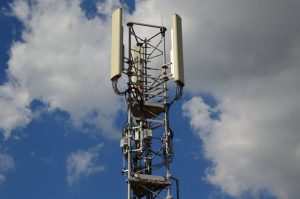
The inherent vulnerability of ground-based infrastructure to physical damage underscores the strategic importance of space-based communication systems. Unlike fiber optic cables that can be severed or cell towers that can be toppled, satellites operate above the fray, largely insulated from terrestrial calamities. This makes them an indispensable tool for emergency management agencies, military operations, and humanitarian aid organizations. As we look towards the future, advancements in satellite technology promise even greater speed, capacity, and accessibility, further solidifying their role in ensuring communication resilience in the face of adversity.
Key Takeaways
- Satellite communication offers unparalleled resilience for disaster response, unaffected by terrestrial network failures.
- LEO constellations are dramatically increasing bandwidth and reducing latency, making satellite internet comparable to terrestrial options.
- Rapid deployment capabilities of satellite terminals allow for immediate connectivity in remote or devastated areas.
- Satellite networks are crucial for coordinating emergency services, disseminating critical information, and supporting humanitarian aid efforts.
- The integration of AI and advanced antenna technology will further enhance the efficiency and effectiveness of satellite communication in crises.
The Growing Need for Resilient Communication
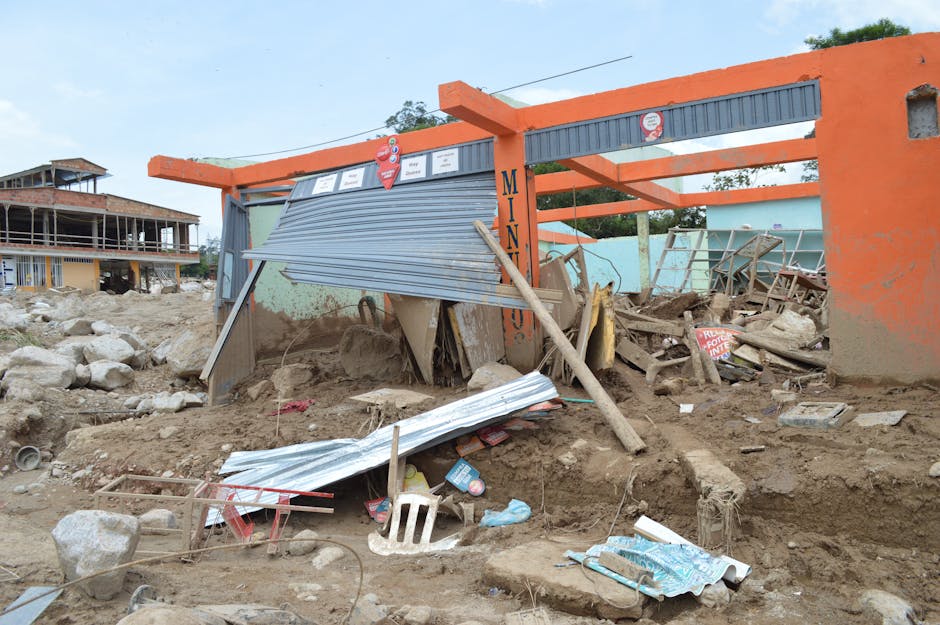
The frequency and intensity of natural disasters have seen a marked increase in recent years, posing a significant threat to global infrastructure, including communication networks. For instance, the 2017 hurricane season in the Caribbean devastated island nations, crippling cell towers and leaving millions without any means to communicate for extended periods. Similarly, earthquakes can rupture underground cables and destroy ground stations, rendering traditional communication channels useless. This recurring pattern highlights a critical gap in our preparedness: the lack of robust, rapidly deployable communication systems that can function reliably during and after a disaster.
In such scenarios, effective communication is not merely a matter of convenience; it is a matter of life and death. First responders rely on clear communication channels to coordinate rescue efforts, assess damage, and request necessary resources. Affected populations need to reach loved ones, access emergency alerts, and seek assistance. Without reliable communication, the response time can be significantly delayed, leading to increased casualties and prolonged suffering. Therefore, investing in and developing resilient solutions for disaster response using satellite technology is a proactive and essential step towards safeguarding communities.
Evolution of Satellite Technology: From GEO to LEO
Historically, satellite communication relied heavily on Geostationary Orbit (GEO) satellites. These satellites orbit the Earth at an altitude of approximately 35,786 kilometers, maintaining a fixed position relative to a point on the ground. While GEO satellites provide broad coverage and a stable connection, they suffer from significant latency – the delay in data transmission – due to their vast distance from Earth. This latency makes them less suitable for real-time applications like voice calls or high-speed internet browsing, although they have served critical communication needs in remote areas and during past disaster events.
The landscape is rapidly changing with the emergence of Low Earth Orbit (LEO) satellite constellations, such as those pioneered by SpaceX’s Starlink and OneWeb. LEO satellites orbit much closer to Earth, typically between 500 and 2,000 kilometers. This proximity dramatically reduces latency, bringing satellite internet speeds and responsiveness much closer to, and in some cases exceeding, terrestrial broadband. Furthermore, LEO constellations consist of hundreds or even thousands of smaller satellites working together, creating a more robust and flexible network. If one satellite encounters an issue, others can compensate, enhancing overall network resilience. This technological leap is a game-changer for satellite communication in disaster scenarios.
How Satellite Communication Enhances Disaster Response
One of the most significant advantages of satellite communication in disaster response is its rapid deployment capability. Unlike fixed terrestrial infrastructure that takes months or years to build, satellite terminals can be set up in a matter of hours, or even minutes, by a small team. This allows for immediate restoration of communication services in areas where ground infrastructure has been completely destroyed. Emergency response teams can establish command centers, coordinate rescue operations, and communicate with the outside world using portable satellite phones or broadband terminals almost instantly after arriving on the scene.
Moreover, satellite networks provide essential communication links for disseminating critical information to affected populations. Emergency alerts, evacuation orders, and public health advisories can be broadcast widely, even in areas where local media infrastructure is damaged. This capability is vital for maintaining public order, preventing further loss of life, and coordinating humanitarian aid distribution. For instance, during the aftermath of a major earthquake, satellite terminals can be used to set up temporary Wi-Fi hotspots, allowing survivors to connect with family and access vital information. The ability to bridge communication gaps is a cornerstone of effective disaster management.
Challenges and Limitations of Satellite Communication
Despite its immense potential, satellite communication is not without its challenges, particularly in disaster contexts. One primary concern is the susceptibility of ground equipment to extreme weather conditions. While satellites themselves are safe in orbit, the user terminals – satellite dishes and modems – can be damaged by high winds, heavy rainfall, or debris. Ensuring these terminals are robust, easily replaceable, and can be quickly re-established is a critical logistical consideration for disaster response organizations. Furthermore, the line-of-sight requirement for satellite dishes means that dense urban environments with tall buildings or heavily forested areas can sometimes obstruct the signal.
Another challenge is the cost and accessibility of satellite communication equipment and services. While prices are decreasing, especially with LEO constellations, the initial investment for terminals and the ongoing subscription fees can still be prohibitive for some organizations or individuals. Ensuring equitable access to these vital communication tools for all responders and affected communities requires strategic planning and potential government subsidies or partnerships. Addressing these limitations will be key to fully realizing the promise of satellite communication as a universal solution for disaster resilience.
Mitigating Signal Obstruction in Urban Environments
Urban canyons, characterized by tall buildings, can create significant signal blockage for satellite terminals. To overcome this, advancements in phased-array antennas and multi-beam satellite technology are being developed. These technologies allow terminals to track satellites more effectively and switch between multiple satellites or ground stations seamlessly, improving signal reliability even in obstructed environments. Furthermore, hybrid network solutions that integrate satellite connectivity with existing terrestrial infrastructure where available can provide a more robust fallback option.
Ensuring Affordability and Accessibility
To make satellite communication more accessible during disasters, several strategies can be employed. Governments and international organizations can pre-position satellite communication kits in disaster-prone regions. Bulk purchasing agreements can also reduce costs for emergency management agencies. In the long term, continued innovation and competition within the satellite industry, particularly from LEO providers, are expected to drive down prices further, making these services more affordable for a wider range of users. Public-private partnerships are crucial for developing frameworks that ensure affordable access during emergencies.
The Role of LEO Constellations in Future Disaster Response
The proliferation of LEO satellite constellations represents a paradigm shift in satellite communication capabilities. By deploying thousands of satellites in lower orbits, companies are creating a global network with significantly reduced latency and increased bandwidth. This means that satellite internet can now offer performance comparable to fiber optic connections, making it a viable primary communication solution, not just a backup. For disaster response, this translates to faster data transmission for high-resolution imagery, real-time video feeds from drones assessing damage, and more reliable voice and video conferencing for coordination centers.
Moreover, the distributed nature of LEO constellations enhances network resilience. Unlike older systems that relied on a few large, high-value GEO satellites, LEO networks are inherently more robust. The failure of a single LEO satellite has a minimal impact on the overall network performance, and the sheer number of satellites allows for dynamic rerouting of traffic around any disruptions. This redundancy is invaluable in disaster scenarios where infrastructure is unpredictable and connectivity must be maintained at all costs. The future of satellite communication for resilient solutions is undeniably tied to these LEO networks.
Integrating AI and Advanced Technologies
The future of satellite communication in disaster response will also be shaped by the integration of artificial intelligence (AI) and other advanced technologies. AI can be used to optimize satellite network performance in real-time, dynamically allocating bandwidth to where it is most needed during a crisis. For example, AI algorithms can prioritize communication traffic for rescue teams over non-essential data, ensuring critical operations are not hampered by network congestion. This intelligent resource management is vital when bandwidth is limited and demand is high.
Furthermore, AI can assist in analyzing satellite imagery for rapid damage assessment. By processing high-resolution images captured by satellites or drones, AI can quickly identify damaged infrastructure, locate affected populations, and map safe routes for emergency vehicles. This significantly speeds up the situational awareness process, allowing response teams to act more decisively and efficiently. The combination of advanced satellite connectivity and intelligent data processing capabilities promises to create a powerful toolkit for future disaster management efforts. Are you prepared to leverage these advancements?
Conclusion
The future of satellite communication is intrinsically linked to its capacity to provide unwavering connectivity during times of crisis. As the world faces increasingly complex and frequent disasters, the unique advantages of satellite technology – its resilience, rapid deployability, and global coverage – position it as an indispensable component of modern disaster response strategies. The advent of LEO constellations, with their low latency and high bandwidth, is further amplifying these capabilities, making satellite internet a practical and powerful tool for both first responders and affected communities. By embracing these advancements and addressing the existing challenges, we can build a more connected and resilient world.
Investing in and strategically deploying satellite communication for resilient solutions is not merely a technological upgrade; it is a crucial investment in human safety and security. The ability to maintain communication lines when terrestrial networks fail can mean the difference between life and death, enabling effective coordination, timely aid, and the dissemination of critical information. As we continue to innovate, integrating AI and advanced antenna technologies will further enhance the effectiveness of these systems. How will your organization prepare for the next inevitable crisis by incorporating these powerful satellite communication tools?