South African Telecoms Demand OTT Services Contribute to Network Costs
According to MyBroadband, South Africa’s Association of Communications and Technology (ACT) has reignited calls for over-the-top (OTT) services such as Netflix, WhatsApp, and YouTube to shoulder part of the network infrastructure costs. The ACT, representing major telecom players like Cell C, MTN, Vodacom, Rain, and Liquid, argues that OTT platforms compete with regulated telecom operators while bypassing regulatory obligations, adding financial strain on telecom providers required to invest in costly infrastructure upgrades.
Why ACT is Advocating for ‘Fair Share’ Contributions

The ACT is urging for a regulatory framework under the South African Electronic Communications Act to impose ‘fair contribution’ agreements on OTT platforms. ACT CEO Nomvuyiso Batyi emphasized that the increasing demand for bandwidth-intensive services and 5G-ready devices necessitates continuous infrastructure investments, a burden that telecom operators cannot sustain alone. As more consumers in South Africa adopt 5G services, network expansion will require significant funding, and the ACT sees partnerships with OTT players as a way to fill the gap.
While most telecom members back this initiative, some, like Cell C, suggest a more collaborative approach rather than direct regulation. Nonetheless, the underlying concern remains—OTT services utilize a substantial portion of network bandwidth without providing direct contributions to maintenance and upgrades.
Market Context: A Global Debate Around OTT Regulation

The ACT’s position isn’t isolated. Similar proposals have surfaced globally, with India’s Cellular Operators Association (COAI) making comparable demands. European regulators have also explored this issue as bandwidth-heavy services like online streaming skyrocket. As 5G adoption accelerates, infrastructure demands grow, particularly in emerging markets like South Africa, where operators are often underfunded compared to counterparts in developed nations. Key data from Ericsson predicts that mobile data traffic worldwide will increase by nearly 4.5 times from 2022 to 2028, driven largely by streaming services and social media platforms.
OTT players like Netflix and YouTube directly impact market dynamics, as they increasingly act as substitutes for traditional television, voice, and SMS services. Yet, they escape the regulatory and cost burdens faced by telecom operators. This disparity has sparked discussions across industries about fostering equitable partnerships while maintaining innovation.
Future Outlook: Collaboration or Conflict?
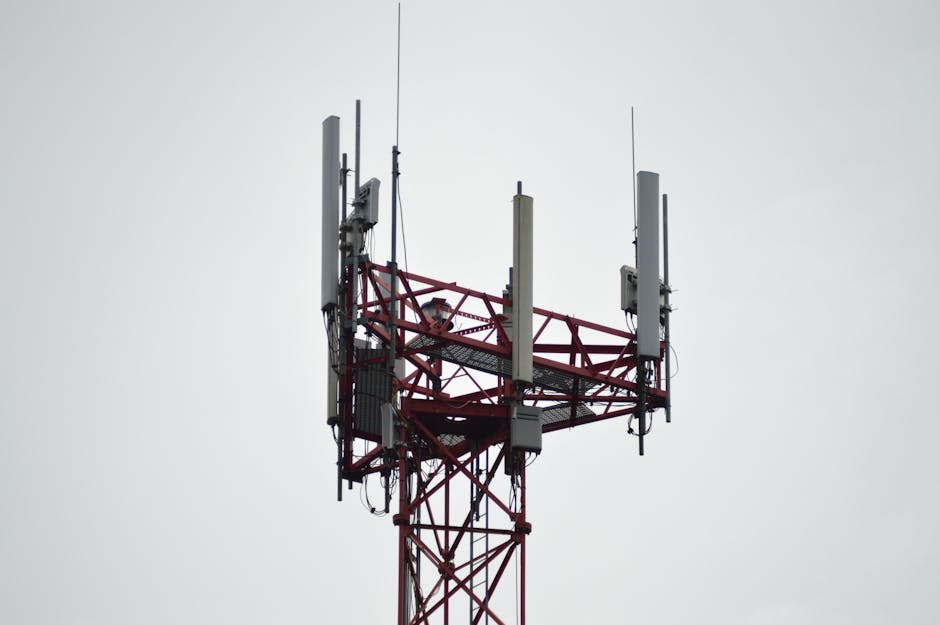
Looking ahead, experts anticipate this issue will escalate with growing demands for seamless 5G connectivity and the emergence of new data-heavy applications, such as virtual reality (VR) and the metaverse. Industry analysts suggest that while regulatory mandates could provide a quick fix, collaborative models—such as profit-sharing agreements between operators and OTT players—might foster sustainable growth for the sector.
However, compelling OTT players to contribute financially could raise questions about internet neutrality and stifle the innovation that these platforms bring to end users. Balancing these concerns will require careful regulatory interventions and innovative partnership strategies tailored to local market conditions.
The ACT’s proposal could set a precedent for how telecom and OTT players negotiate shared costs in South Africa and beyond. Will these measures ensure long-term sustainability for networks, or could they hinder the digital ecosystem’s growth? Only time will tell.