The Strategic Importance and Security of Submarine Fiber-Optic Cables
Submarine fiber-optic cables are the quiet heroes of global connectivity, underpinning modern communication and international data exchange. As governments worldwide increasingly scrutinize these critical infrastructures, concerns over national security and the integrity of these networks have become pressing topics. While threats from intentional sabotage by malicious actors are often discussed, the reality is that most cable faults originate from accidental incidents, such as fishing activities and anchor drags. This makes the balance between proactive security measures and responsive mitigation a key issue in the ongoing debate.
The Vulnerability of Submarine Fiber-Optic Cables

Pexels
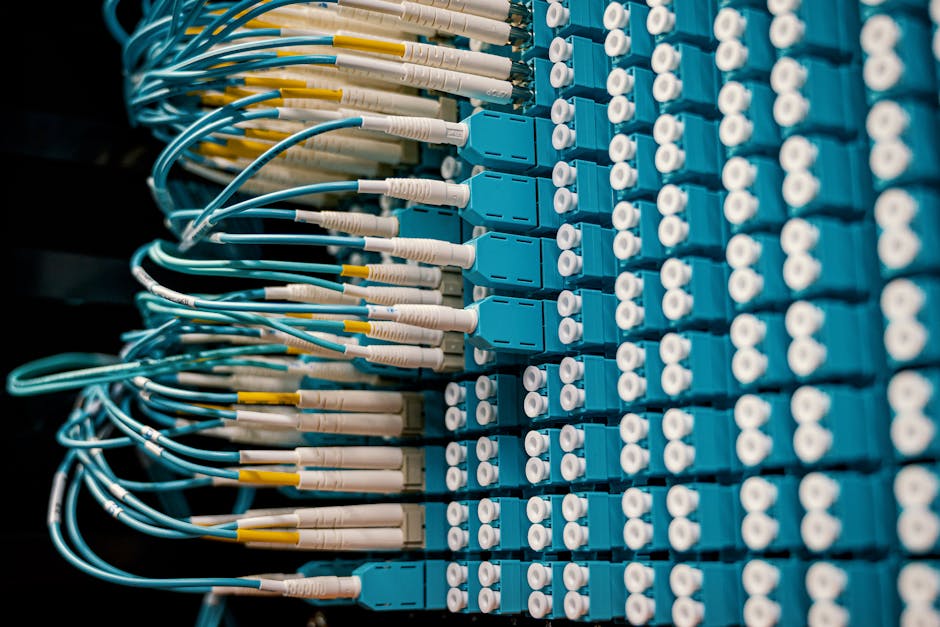
At their core, submarine cables are surprisingly delicate. Despite their enormous importance, the fiber strands within these cables are as thin as human hair, making them highly vulnerable to damage. Statistics reveal that the global network experiences around 200 disruptions annually, equating to an alarming average of four faults per week. This fragility highlights the need for robust protection systems, especially since these cables collectively bear the weight of the modern digital economy. Measures like geographically diverse landing stations and advanced threat detection systems are already being implemented by private companies to safeguard these essential networks.
A Critical Backbone for Global Connectivity

Pexels
The significance of submarine cables extends far beyond providing seamless video streaming or social media access. These cables are the lifeline of global finance, carrying over $12 trillion in daily financial transactions. They support millions of jobs in the U.S. alone and are crucial to governmental operations. This unique combination of utility and reliance underscores how submarine cables function as the backbone of international communications, linking every corner of the world in nearly real-time. Their indispensability further solidifies the importance of prioritizing their security.
Submarine Cables: Irreplaceable but Defensible

Pexels
While there may be a misconception that satellites can replace submarine cables, the reality is far from it. Satellites are a useful emergency backup but cannot match the cost-efficiency or capacity provided by fiber-optic cables. Cables handle over 99% of intercontinental data due to their cost-effectiveness, with capacity costs being 2,800 times cheaper than satellites. This irreplaceable nature underscores the industry’s existing efforts and substantial investments in securing these vital assets. Repair fleets, innovative fiber-based threat detection technologies, and geographically redundant systems are part of a well-funded, multi-layered defense approach.
The Role of Governments in Bolstering Cable Security

Pexels
Private operators are undoubtedly committed to minimizing vulnerabilities, as downtime represents massive financial losses. However, there are critical gaps that require governmental partnership and support. Coordinating efforts to address security concerns at a national and international level is vital to ensuring the stability of these networks. Enhanced legislation, collaboration with private stakeholders, and a focus on emerging technologies can bridge these gaps and safeguard the backbone of global connectivity for future generations.