A Look Ahead: Submarine Cable and Terrestrial Infrastructure Trends for 2026
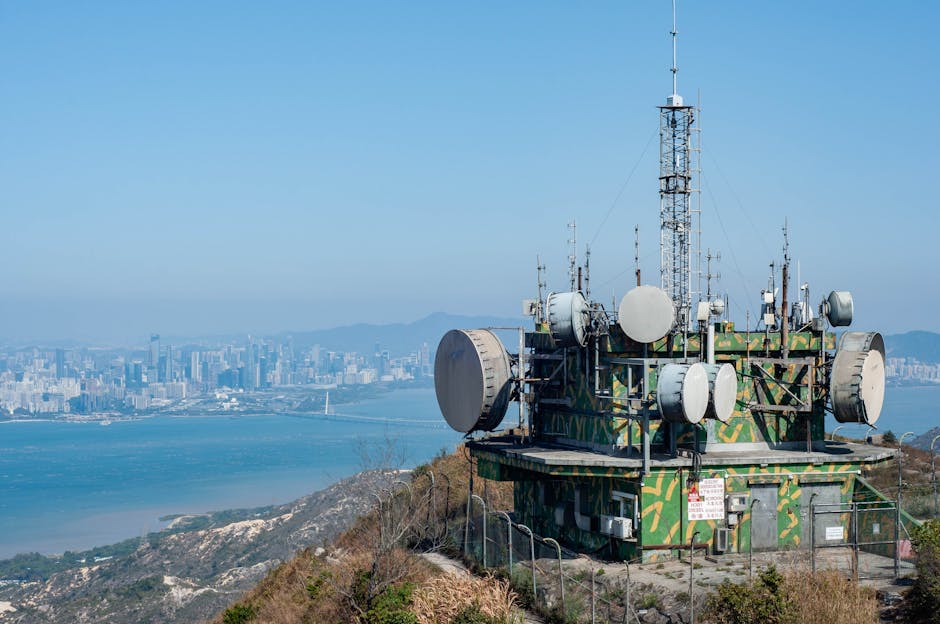
The global telecommunications industry witnessed significant advancements in 2025, and it’s set for even more exciting developments in 2026. Last year alone, around 15 new submarine cables were added worldwide, representing a collective investment of $3.2 billion. However, 2026 is expected to outpace this with nearly 40 new cables entering service, amounting to an astounding $6 billion in capital expenditure. This marks the highest growth in at least a decade and highlights the critical role these cables play in modern communication infrastructure.
Submarine Cables: Growth and Strategic Importance

Pexels
The dramatic surge in submarine cable deployment is not without reason. These cables serve as the backbone for global data transfer, and their expansion addresses ever-growing demands spurred by new technologies such as AI and edge computing. Interestingly, the bulk of these new systems is being developed by technology giants like Google, who are building infrastructure for internal use rather than competitive resale. This deliberate strategy mitigates the risk of market saturation and price collapses.
However, challenges persist for submarine cable operators. The Red Sea, for instance, has emerged as a major bottleneck due to geopolitical conflicts impeding repair efforts. To counteract these vulnerabilities, industry players are investigating alternative routes, including overland fiber networks through countries like Saudi Arabia, the UAE, Jordan, and Israel, as well as submarine paths circumnavigating the South China Sea via Indonesia and the Philippines.
The Shift in Network Planning Driven by AI
Pexels
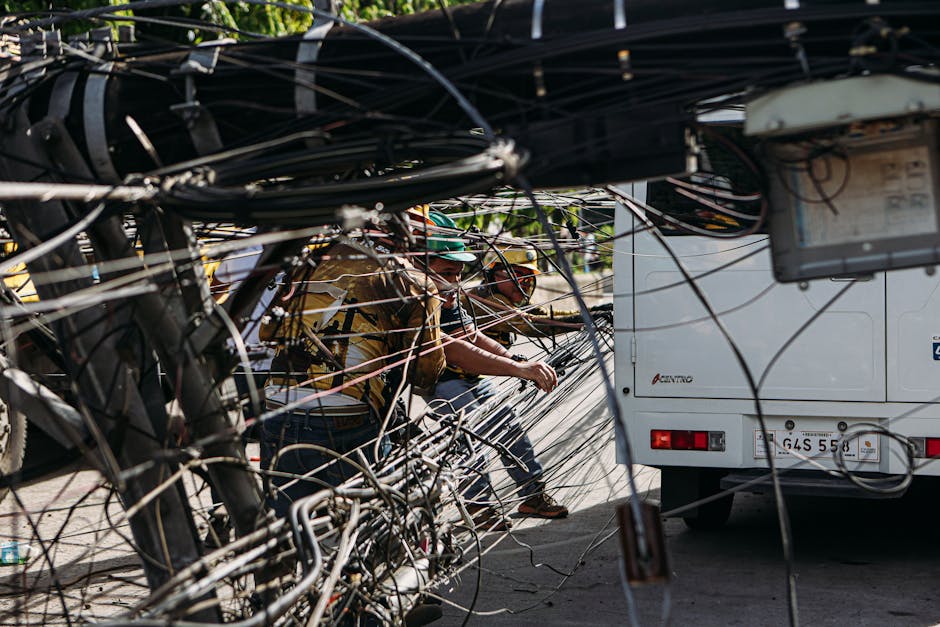
The rise of artificial intelligence is reshaping infrastructure planning in unexpected ways. Traditionally, data centers were established where networking capabilities were robust. Now, the inverse is true—networks are being extended to areas capable of supporting data centers due to their access to abundant electrical power. Regions like West Texas, Iowa, and even remote locations like Christmas Island are experiencing an influx of connectivity as companies future-proof their operations to meet the unknown bandwidth demands of AI-driven applications.
An essential part of this strategy is the accumulation of dark fiber and the creation of diverse routing options. Companies are proactively planning resilient networks, knowing that the long-term demands of AI will necessitate unparalleled capacity.
Terrestrial Networks vs. Submarine Limitations

Pexels
In the battle between terrestrial and submarine networks, electrical power availability creates a stark contrast. Land-based networks can support thousands of fiber pairs due to easy access to amplifiers, while submarine cables are constrained to approximately 24 fiber pairs. These limitations underscore why submarine bandwidth remains a scarce and valuable resource.
Terrestrial network developers, however, are maximizing their opportunities by building resilient mesh systems with diverse routes leading into key interconnection hubs. These efforts not only address reliability concerns but also ensure that terrestrial infrastructures complement limitations within the submarine sector.
Preparing for the Future: The Role of Industry Research

Pexels
Keeping pace with these rapid changes requires access to reliable insights and analysis. Industry leaders are leveraging data from advanced tools like TeleGeography’s cable landing station (CLS) database, which offers vital details about cable systems and their global impact. Moreover, reports on submarine cable maintenance challenges and bandwidth forecasting help companies strategize their investments.
For stakeholders, staying informed about these trends is crucial as global telecommunications infrastructure rapidly evolves. By addressing both the opportunities and challenges ahead, the industry is better prepared to meet global connectivity demands.