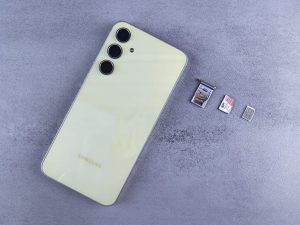
The advent of switchless eSIM technology is fundamentally dismantling the traditional barriers to global mobile connectivity, offering a seamless solution for the modern traveler. This innovation represents the next evolutionary leap beyond physical SIM cards and even standard eSIMs, enabling users to connect to local cellular networks anywhere in the world without ever needing to visit a store, swap a chip, or manually configure complex APN settings. For frequent flyers, digital nomads, and international business professionals, this technology promises an end to the frustrating ritual of searching for SIM vendors upon landing, dealing with exorbitant roaming charges, or losing your primary number while abroad. Consequently, it is not merely an incremental upgrade but a paradigm shift in how we conceptualize personal connectivity, turning your smartphone into a truly global device from the moment you power it on.
Key Takeaways
- Switchless eSIMs provide instant, automated network connectivity upon landing in a new country, with no physical or manual switching required.
- The technology leverages remote SIM provisioning (RSP) and partnerships with multiple Mobile Network Operators (MNOs) globally to create a single, seamless profile.
- Users can avoid exorbitant roaming fees by connecting to local partner networks at local data rates, often through a single app or dashboard.
- It enables effortless multi-number management, allowing you to maintain a primary number while using a local data plan abroad without a second phone.
- Security is enhanced through digital, encrypted profiles that cannot be physically stolen or cloned like traditional SIM cards.
- The future points towards deeper device integration, broader global coverage, and potential industry disruption for traditional telecom models.
What is Switchless eSIM Technology? Demystifying the Core Concept
To understand the revolution, one must first grasp what sets a switchless eSIM apart from its predecessors. A standard eSIM (embedded SIM) is a digital, reprogrammable chip soldered inside your device that can store multiple carrier profiles, eliminating the need for a physical plastic card. However, traditionally, switching between these profiles—for example, from your home carrier to a travel data plan—often required manual intervention: scanning a QR code, downloading a profile, or selecting a network. Switchless eSIM technology automates this entire process. It utilizes advanced Remote SIM Provisioning (RSP) systems and a backend that partners with a vast array of Mobile Network Operators (MNOs) worldwide. When you land in a new country, the technology automatically identifies the best available partner network, provisions the correct local profile onto your eSIM, and connects your device—all without you lifting a finger.
The “switchless” experience is powered by sophisticated software and global carrier agreements. Providers in this space, such as Airalo or KnowRoaming, act as Mobile Virtual Network Operators (MVNOs) or aggregators, but with a fully digital, app-centric approach. Your single eSIM profile, managed through a dedicated application, contains the credentials and logic to authenticate on dozens of different networks. The process is invisible to the user: you purchase a regional or global data plan from the provider’s app before your trip, and the technology handles the rest. This represents a significant leap in user experience, moving connectivity from a task that requires planning and action to a background utility, much like Wi-Fi. In essence, it makes your phone network-agile, context-aware, and globally capable by default.
The Technical Architecture: How Switchless Connectivity Actually Works
The magic of seamless global roaming is underpinned by a robust and intelligent technical architecture. At its heart lies the GSMA-certified eSIM standard and the RSP platform, which is overseen by a Subscription Manager-Data Preparation (SM-DP+) server. This server securely stores and delivers the encrypted carrier profiles to your device. For a switchless system, the provider’s backend intelligence is the critical component. It continuously monitors your device’s location, typically via GPS or network cell IDs, and cross-references this against a database of pre-negotiated carrier partnerships.
The Automated Handshake Process
When the system detects you have entered a new country, it initiates an automated handshake. It communicates with the local partner MNO’s network, requesting authentication credentials. The SM-DP+ server then pushes the appropriate, lightweight carrier profile for that specific network to your device’s eSIM chip. This entire transaction happens over a secure data connection, which could be a previously known network or a fallback roaming agreement, ensuring you are never completely offline. The profile is activated, and your device registers on the local network, often within minutes of touchdown.
The Role of eUICC and Multi-IMSI Technology
Advanced switchless eSIMs often employ eUICC (embedded Universal Integrated Circuit Card) technology paired with Multi-IMSI capabilities. An IMSI (International Mobile Subscriber Identity) is a unique number identifying your subscription on a network. Multi-IMSI technology allows a single eSIM to host multiple IMSIs from different operators. The backend system can dynamically select which IMSI to use based on cost, network strength, and data policy, optimizing your connection in real-time. This technical foundation, detailed in resources like the GSMA’s official eSIM guide, transforms a static piece of hardware into a dynamic gateway for global service.
Unpacking the Benefits: Why This is a Game-Changer for Travelers
The advantages of adopting switchless eSIM technology for anyone who crosses borders are profound and multi-faceted. Firstly, it delivers unprecedented convenience and time savings. The elimination of the airport kiosk scramble or the hunt for a reputable telecom shop in an unfamiliar city cannot be overstated. Your connectivity is ready the moment you need to hail a ride, translate a sign, or message loved ones. Secondly, it provides massive cost predictability and reduction. By connecting directly to local networks at local rates, you avoid the punitive per-megabyte charges typical of international roaming from major carriers. Travelers can purchase a fixed data package for their destination at a known price, eliminating bill shock.
Furthermore, it enhances security and reliability. A digital eSIM profile cannot be physically lost, stolen, or damaged. If your phone is misplaced, you can remotely manage or disable the eSIM profile via your provider’s app, a feature not possible with a physical SIM. From a reliability standpoint, having agreements with multiple networks in a region often means better coverage; if one partner network has a weak signal in your area, the system may seamlessly connect you to another. Finally, it offers flexible multi-number management. You can keep your primary number active for calls and texts (often via Wi-Fi Calling) while using the local switchless eSIM for all data needs. This means you maintain a constant digital identity without needing a cumbersome second phone or dual-SIM tray gymnastics.
Comparing Traditional Roaming, Local SIMs, and Switchless eSIMs
To fully appreciate the value proposition, a clear comparison against the existing options is essential. Traditional International Roaming from your home carrier is the simplest but most expensive method. While convenient, costs can be astronomical, often leading to stories of thousand-dollar bills for casual use. Data speeds may also be throttled, and coverage can be inconsistent. Purchasing Local Physical SIM Cards is the traditional cost-saving approach. It offers local rates but comes with significant friction: finding a vendor, verifying legitimacy, dealing with registration requirements (common in many countries), and physically swapping SIMs, which leaves you unreachable on your primary number.
Standard Travel eSIMs (non-switchless) improved upon local SIMs by removing the physical swap. However, they often still require manual profile selection, QR code scanning for each new country, and managing separate plans for each destination. The switchless eSIM stands apart by collapsing all these steps into a single, automated, and continuous experience. Imagine a multi-country European tour: with a traditional SIM, you’d need a new one in each nation; with a standard eSIM, you’d manually activate a new plan at each border; with a switchless eSIM, your device and the cloud handle every transition as you take the train from France to Germany to Italy. The difference in cognitive load and hassle is monumental.
“Switchless eSIM technology represents the final step in the dematerialization of the SIM card. It’s not just embedded; it’s intelligent and autonomous, making the network a service that adapts to the user’s location, not the other way around,” notes a telecom analyst from PTC.
Practical Guide: How to Get Started with a Switchless eSIM
Adopting this technology is a straightforward process, but it requires a few key checks and steps. First, ensure your device is compatible. Most smartphones released since 2018 (iPhone XS/XR and newer, Google Pixel 3 and newer, and many recent Samsung Galaxy, Motorola, and other Android models) support eSIM. You can check your device settings for an “Add Cellular Plan” or “Add eSIM” option. Second, choose a reputable switchless eSIM provider. Research companies like Airalo, KnowRoaming, or Truphone, comparing their coverage maps, data plans, pricing, and customer support reviews. Look for providers that explicitly advertise “automatic network switching” or “switchless” functionality.
The setup typically follows this pattern: 1) Download the provider’s app from the official app store while you still have a reliable internet connection (e.g., at home). 2) Create an account and browse/select a data plan for your destination region (e.g., “Asia Pacific 10GB for 30 days”). 3) Complete the purchase—the eSIM profile will be added to your account. 4) Follow the in-app instructions to install the profile to your device. This usually involves scanning a QR code generated in the app or using a direct download link. 5) Once installed, you may need to enable the plan and turn on “Data Roaming” for the eSIM line in your device settings. Crucially, with a true switchless eSIM, this is the last manual step. Upon arrival in your destination country, the connection should establish automatically. For more on device compatibility, Apple’s eSIM support page is an authoritative resource.
Overcoming Potential Challenges and Limitations
While transformative, switchless eSIM technology is not without its current limitations that travelers should be aware of. The most significant is device and carrier support. Although growing, not all smartphones, especially budget models in emerging markets, have eSIM capability. Furthermore, some carriers, particularly in the United States, may still “lock” their devices to their network, preventing the use of other eSIM profiles until the device is fully paid off and unlocked. It is imperative to confirm your phone is unlocked before attempting to use a third-party eSIM.
Another consideration is voice and SMS functionality. Many switchless eSIM plans are data-only, designed to work in tandem with your primary line using Wi-Fi Calling or over-the-top (OTT) apps like WhatsApp or Skype for voice. If you need a local phone number for calls or SMS verification (common for ride-hailing or bank 2FA codes), you must seek out a provider that offers a plan with a dedicated local number. Additionally, network performance can vary. As an MVNO, your switchless eSIM provider is dependent on its partner MNOs. Your data speeds may be deprioritized compared to the MNO’s direct customers during times of network congestion. Finally, coverage gaps still exist, particularly in very remote regions or countries with strict telecom regulations. Always review the provider’s coverage map for your specific destinations.
The Future Landscape: Where is Switchless eSIM Technology Headed?
The trajectory for this technology points toward deeper integration and broader adoption. In the near future, we can expect to see native operating system integration. Imagine Apple’s iOS or Google’s Android offering a built-in, global data marketplace where you can purchase and manage a switchless eSIM directly from the Settings menu, with seamless billing through your existing app store account. This would dramatically lower the barrier to entry and legitimize the model further. Furthermore, the Internet of Things (IoT) sector will be a massive driver. Global IoT connectivity for assets like shipping containers, connected cars, and agricultural sensors demands exactly the kind of autonomous, switchless network management that this technology provides, a topic explored by industry bodies like the GSMA’s IoT program.
Moreover, we will likely see the rise of more sophisticated dynamic pricing and plan structures. Instead of fixed regional plans, usage could be billed on a truly global, pay-per-gigabyte basis with intelligent, cost-aware network switching. The technology also paves the way for “Network as a Service” (NaaS) models, where connectivity becomes a fluid, subscription-based utility detached from any single national carrier. This could eventually pressure traditional telecom operators to unbundle their services and compete more directly on a global stage. The evolution from physical SIM to eSIM to switchless eSIM is a clear indicator that the future of mobile connectivity is software-defined, borderless, and user-centric.
Making the Switch: Is a Switchless eSIM Right for Your Travel Needs?
Determining if this technology fits your lifestyle requires a honest assessment of your travel patterns and connectivity needs. A switchless eSIM is an unequivocal must-have for frequent international travelers, especially digital nomads, consultants, and journalists who are constantly on the move across multiple countries. The convenience and cost savings compound with every border crossing. It is also ideal for leisure travelers taking multi-country trips (e.g., a Eurotrip or a Southeast Asia backpacking journey), as it simplifies connectivity into a single, manageable element.
However, for the occasional traveler who takes one or two single-destination trips per year, the calculus is different. If your home carrier offers a reasonably priced daily roaming pass (e.g., $10/day for full use of your plan), and your trip is short, that might suffice for simplicity’s sake. Similarly, if you travel to a single country for an extended period and need a local number, a traditional local SIM or a standard eSIM with voice might still be the most straightforward solution. Ultimately, the decision hinges on valuing time and seamless experience over minimal upfront setup. For those who view reliable, instant internet access as a critical travel utility, not a luxury, the investment in a switchless eSIM system is overwhelmingly justified. To explore related connectivity solutions for your home base, consider reading about fiber optic installation for unparalleled domestic speeds.
Conclusion
Switchless eSIM technology has emerged as the definitive solution for global connectivity, transforming a historically fragmented and frustrating experience into one of effortless simplicity. By automating network selection and profile provisioning, it liberates travelers from the shackles of physical SIM cards, exorbitant roaming fees, and logistical headaches. The core benefits—unmatched convenience, significant cost savings, enhanced security, and flexible number management—directly address the pain points of anyone who lives or works across borders. As device compatibility expands and the underlying technology becomes even more integrated into our digital ecosystems, its adoption is poised to move from early adopters to the mainstream.
While considerations around device support and voice functionality remain, the direction of travel is clear: connectivity is becoming an intelligent, location-aware service. For the modern traveler, embracing this technology is less about adopting a new gadget and more about upgrading a fundamental aspect of the travel experience itself. The question is no longer if you will get connected abroad, but how seamlessly and smartly you will do it. Are you ready to leave the SIM card swap in the past and step into the future of global mobile connectivity? The next time you plan a trip, consider making the switchless leap—your phone (and your wallet) will thank you.