Insights Into the Telecom Industry: Trends, Challenges, and Innovations

The telecom industry is a dynamic sector that serves as the backbone of digital infrastructure across the globe. From emerging technologies to significant regulatory updates, there’s always something shaping the way we communicate, connect, and conduct business. Staying informed about the latest advancements, market trends, and industry challenges is essential for businesses, policymakers, and consumers alike.
Current Trends in the Telecom Sector
Pexels
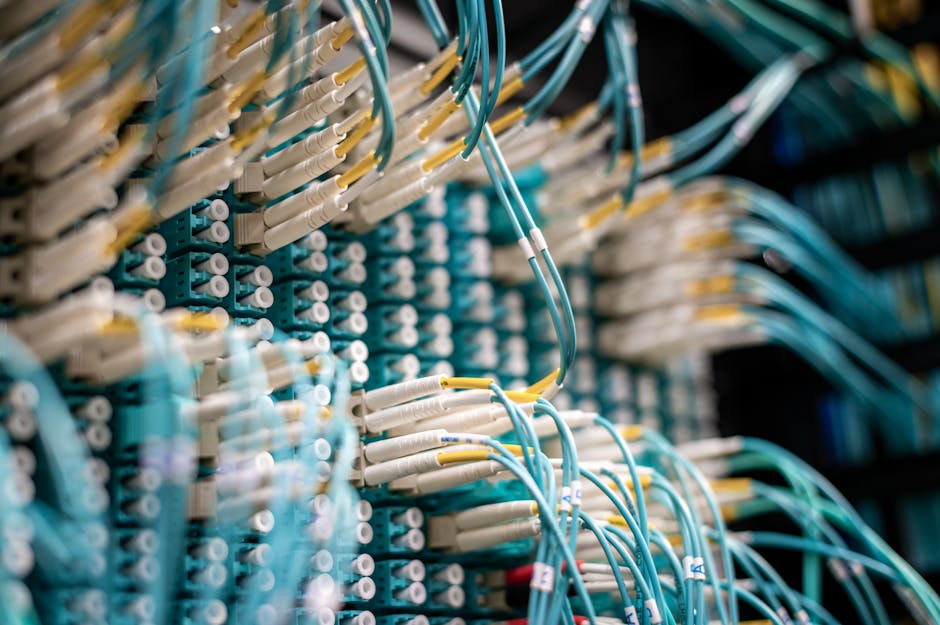
The telecom sector has been undergoing rapid transformation driven by advancements in 5G technology, fiber optic connectivity, and satellite communications. With the global rollout of 5G networks, industries are leveraging faster speeds and lower latency to enhance everything from smart city initiatives to augmented reality (AR) applications. Fiber optics continue to gain traction as businesses demand high-speed internet to support cloud computing and remote work trends.
On the other hand, the rise of satellite internet is bridging the digital divide in rural and underserved regions. Companies like SpaceX and Amazon are spearheading these innovations by launching constellations of low Earth orbit (LEO) satellites to provide high-speed internet to even the remotest areas.
Challenges Impacting the Industry

Pexels
Despite the significant progress, the telecom sector faces several challenges. Regulatory barriers and policy shifts often slow down the deployment of critical infrastructure. For example, adhering to local data protection laws in different countries requires companies to adapt their operations, which can add complexity and costs. Additionally, the high capital expenditure associated with rolling out 5G, fiber optics, and satellite networks creates financial pressure on smaller players in the industry.
Another critical issue is cybersecurity. As networks become more interconnected and businesses rely heavily on digital systems, telecom operators must continually invest in robust defenses against cyberattacks. Failure to address these security concerns could jeopardize customer trust and result in massive data breaches.
Opportunities and Future Outlook

Pexels
The future of the telecom sector is undoubtedly promising, with numerous opportunities on the horizon. Edge computing, Internet of Things (IoT), and artificial intelligence (AI) are expected to integrate deeper into telecom operations, enabling smarter networks and improved customer experiences. Furthermore, the ongoing demand for connectivity in emerging markets provides a growth opportunity for operators willing to expand their global footprint.
Collaboration is also becoming a key trend, as telecom companies partner with governments, tech firms, and industry leaders to address pressing issues like digital inclusion and sustainable energy use. For instance, industry players are implementing green technology to reduce carbon footprints and contribute to global climate goals. These efforts not only benefit the environment but also enhance the industry’s reputation among consumers.
In conclusion, the telecom industry is at a pivotal point where balancing innovation with infrastructure demands and regulatory compliance will define its success. As businesses and individual users continue to rely on telecom services, understanding the sector’s challenges and the opportunities it presents is critical for future growth and development.