Evolving Trends in Telecom Pricing and Enterprise Networks for 2026

The telecom industry witnessed significant pricing and enterprise network trends in 2025, setting the stage for a transformative 2026. While traditionally, transport prices have been on a consistent decline of 10%–20% annually, recent data reveals an unexpected stabilization, especially on prominent routes like the Trans-Atlantic and Trans-Pacific. This shift is largely attributed to the domination of hyperscalers, who account for over 80% of allocated bandwidth, limiting the scope for price reductions among the remaining carriers.
Transport Pricing Stabilizes Amid New Challenges

Pexels
Global telecom pricing, particularly on key routes, has seen a marked shift with reduced price erosion. The Trans-Atlantic route, for example, remains stable due to hyperscalers purchasing the lion’s share of bandwidth. These megacorporations effectively control supply and consumption, curbing price competition for other market players. Similarly, geopolitical instability, especially in regions like the Red Sea and Yemen, has disrupted cable repairs and deployment of new systems like Blue Ramen and SeaMeWe-6. The resulting delays have driven Europe-to-Asia route prices upward, with lease renewals occurring at higher rates—a rarity in the sector. Though terrestrial bypasses across the Arabian Peninsula exist, their cost-effectiveness remains questionable.
SD-WAN Adoption and Vendor Consolidation in 2025

Pexels
Enterprise networking, meanwhile, continues to thrive as SD-WAN firmly establishes itself as a standard feature in corporate portfolios. Recent surveys highlight an impressive 75% adoption rate, underlining its transition from emerging technology to a core service. The vendor landscape has rapidly consolidated, with prominent acquisitions reshaping the market. Notably, HPE acquired Juniper, and Arista took ownership of VeloCloud, leaving fewer major players in the field. However, the focus of SD-WAN is evolving; it now primarily serves as a delivery mechanism for advanced security services rather than merely providing network connectivity.
Network-as-a-Service: Challenges in Adoption and Future Outlook
Pexels
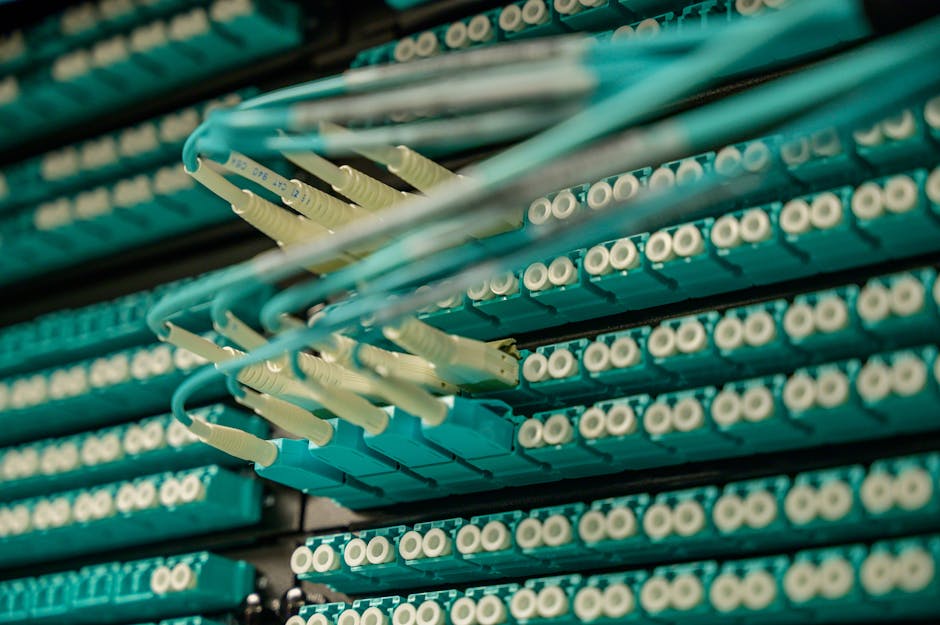
While Network-as-a-Service (NaaS) has generated considerable industry buzz, its practical adoption remains limited. Less than 20% of enterprises utilize dynamic “bandwidth on demand” models, as most businesses prefer robust and dependable infrastructure. Instead, NaaS providers are focusing on enhancing their automated service offerings, rather than developing highly specific, daily pricing models. This trend suggests that future NaaS innovations may revolve around broader automation and adaptability to niche scenarios, such as seasonal retail variations or live event demands.
AI and the Future of Enterprise Networks

Pexels
Artificial intelligence is poised to revolutionize enterprise networks, though its impact is still in its nascent stages. In 2025, TeleGeography’s WAN Cost Benchmark provided businesses with insights into building secure and modern networks, as well as understanding the evolving vendor landscape. The seamless integration of AI, security features, and streamlined service offerings will likely be the focus for providers in 2026. As more enterprises prioritize efficiency, AI-driven tools are set to play a pivotal role in optimizing costs and maintaining secure, high-performing networks.
It’s an exciting time for telecom experts and businesses alike. Whether it’s stabilizing prices, consolidated SD-WAN markets, or emerging NaaS technologies, the future of enterprise networks promises significant innovations and challenges in the year ahead.