The Transformative Trends Shaping Telecom Strategies for 2026
The telecom industry is experiencing a seismic shift as we approach 2026, with trends such as edge AI, data sovereignty, and media monetization taking center stage. The next few years will demand telecom leaders to balance operational efficiency with stringent regulatory compliance and cutting-edge hardware advancements. Understanding these emerging dynamics is crucial for businesses aiming to stay competitive in this fast-evolving landscape.
The Rise of Edge AI and Automation

Pexels
Automation and artificial intelligence (AI) are no longer experimental concepts for the telecom industry. They have become critical components of operational strategies. According to Gavin Jones, Director of Wholesale Partners at BT Wholesale, integrating intelligent service-desk bots and predictive analytics delivers tangible benefits, such as faster resolution times for IT service issues. This optimization reduces mean time to resolution (MTTR), an essential metric for IT service management (ITSM) success.
However, automation is not just about increasing operational efficiency. It also reshapes workforce dynamics, allowing IT teams to move away from repetitive maintenance tasks and focus on high-value activities that fuel business growth. Industry leaders emphasize the persistent value of human interaction for building trust and customer-centric relationships, even as technology handles routine operations. In 2026, the ability to blend automation with human expertise will be a decisive factor in vendor selection and overall competitive edge.
Data Sovereignty and Regulatory Compliance: A Growing Priority

Pexels
As the regulatory environment becomes increasingly stringent, the physical location of data processing is emerging as a critical concern. Enterprises are demanding secure and high-performance networks that also adhere to local data residency requirements. This shift is driving telecom leaders to re-evaluate their network infrastructures and select providers that can deliver compliance without sacrificing performance.
Jones notes that the concept of “Network 5.0” is already setting new benchmarks for telecom performance. These next-generation networks are designed not only for speed but also for compliance with complex, multi-national data sovereignty rules. In a world where latency and privacy are as vital as connectivity, telecom providers will need to innovate while ensuring secure infrastructure across borders.
Revolutionizing Mobile Devices with Onboard AI

Pexels
The capabilities of mobile devices are evolving rapidly, with 2026 poised to mark a significant leap in intelligence over speed. According to Phil Bramson, GM of App Media at Digital Turbine, the next wave of mobile technology will include devices equipped with onboard generative AI chips. These capabilities will enable local data processing, delivering highly personalized and instantaneous user experiences.
This shift extends significant benefits to enterprise mobile device management (MDM) strategies. By processing data locally instead of relying on the cloud, businesses can reduce latency and mitigate privacy risks, opening new opportunities for targeted engagement and privacy-safe marketing. As companies look to innovate in this space, onboard AI will redefine how mobile-first businesses interact with their consumers and drive deeper customer engagement.
The Monetization of Media and Expanding Revenue Streams
Pexels
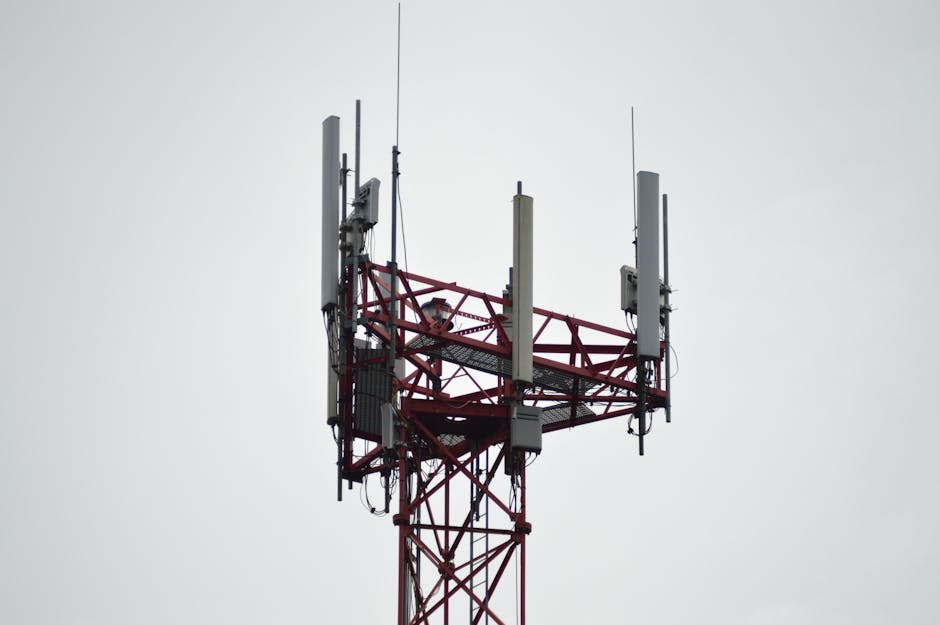
Telecom carriers are evolving their business models to go beyond traditional revenue streams. In 2025, early experiments in content-based revenue—such as curated news experiences and lockscreen advertisements—paved the way for more collaborative efforts combining carrier reach with ad tech precision. These partnerships are creating a foundation for full-funnel commerce opportunities.
In 2026, this trend will accelerate as carriers monetize their user base in innovative ways, leveraging first-party data and advanced distribution networks. New engagement methods, inspired by platforms like Uber’s in-app advertising, could include messaging-based interactions and cross-device experiences. These advancements will transform carriers from connectivity providers into ecosystem enablers.
Unified Communication in Collaboration Platforms

Pexels
An additional area of transformation is the integration of voice services into collaboration tools. Digital voice services will likely become standard features in enterprise platforms by 2026, enabling seamless bundling of external calling capabilities. Managed Service Providers (MSPs) and resellers are encouraged to move swiftly to secure their share of this growing market segment.
For enterprises, this evolution represents an opportunity to unify voice and collaboration solutions, simplifying their IT ecosystems and potentially reducing costs. Consolidating telephony contracts with platform licenses can streamline communications while enhancing productivity.
As 2026 approaches, the telecom sector faces a dual challenge: leveraging AI to enhance internal efficiencies while addressing the complexity of an external landscape shaped by regulations and evolving technologies. Leaders ready to embrace these changes will not only meet market demands but also thrive in a connected and compliant world.