Telkom Indonesia Restores 99.9% Connectivity After Sumatra Disaster: What It Means for the Telecom Sector
According to Developing Telecoms, Telkom Indonesia has successfully restored 99.9% of its network and telecom services across the flood- and landslide-affected regions of Sumatra as of early January 2026. This restoration marks significant progress following the deadly disasters that ravaged Aceh, North Sumatra, and West Sumatra in late 2025, causing devastating impacts on lives and infrastructure.
Telkom Indonesia’s Comprehensive Recovery Efforts

Telkom Indonesia, alongside its Telkomsel division, utilized a multi-pronged strategy to achieve near-complete connectivity restoration in the affected regions. Aceh was one of the worst-hit provinces, with all 289 sub-districts now serviced by at least one Telkomsel site. Connectivity solutions included Wi-Fi hotspots, satellite-based internet, mobile base stations, emergency generators, and the optimization of high-challenge transmission networks.
Notably, Telkom announced free managed Wi-Fi services with 100 Mbps capacity in Danantara Housing sites in Aceh Tamiang Regency, aiding displaced families rebuilding their communities. The company also allocated a substantial IDR123.23 billion (approximately US $7.3 million) for disaster recovery efforts, covering logistical aid, health services, public kitchens, and internet service compensation for affected users.
Telecom Challenges Amid Natural Disasters

Indonesia’s geography, consisting of over 17,000 islands and frequent natural disasters, makes telecom recovery uniquely challenging. The floods and landslides across North Sumatra, West Sumatra, and Aceh killed over 1,140 people and displaced hundreds of thousands. These conditions underline the critical role telecom companies play in coordinating rescue, recovery, and rebuilding efforts in disaster-prone regions. Telkom’s ability to respond swiftly underscores its importance in maintaining national infrastructure resilience.
Globally, disaster recovery in the telecom sector is a billion-dollar market as climate-related events increase in frequency. Similar efforts were seen after the recent earthquakes in Turkey and hurricanes in the United States, where companies deployed mobile generators and satellite-based internet to restore connectivity.
What’s Next for Telkom and the Telecom Industry?
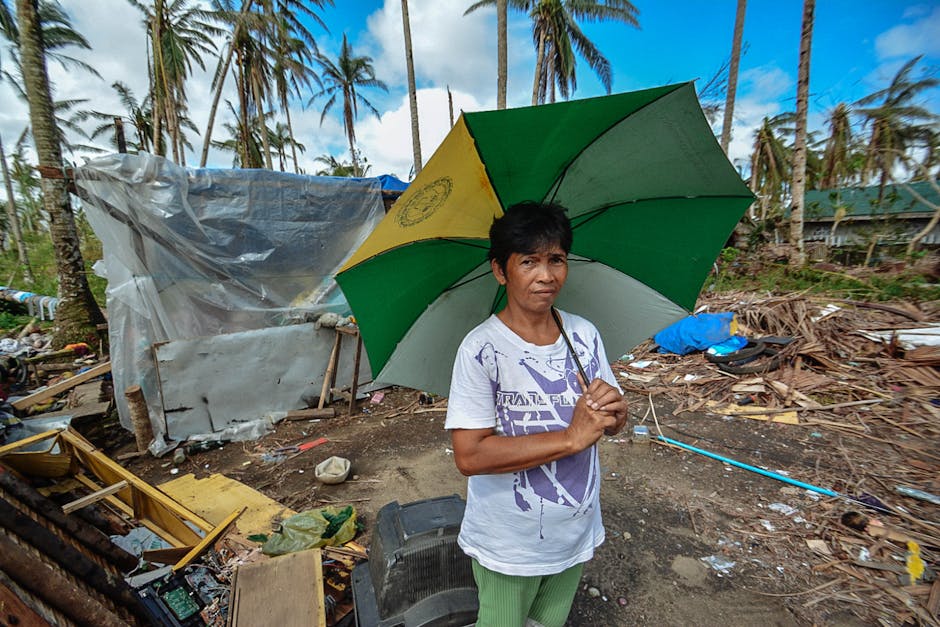
Telkom Indonesia’s disaster recovery initiatives may serve as a blueprint for other telecom providers in addressing disaster-prone areas. The implementation of integrated power systems, mobile solutions, and satellite connectivity highlights the increasing importance of deploying scalable, diversified technologies. However, competitors like Indosat Ooredoo Hutchison and XL Axiata will likely need to revisit their infrastructure strategies to remain competitive in disaster resilience.
As climate risks grow, the telecom sector is under pressure to innovate and allocate significant budgets for infrastructure hardening and recovery systems. Expert analysts suggest that private-public partnerships will be key to building resilient networks capable of handling environmental disruptions. Ongoing collaboration with tech firms for 5G and satellite advancements could offer a sustainable path forward.
Conclusion
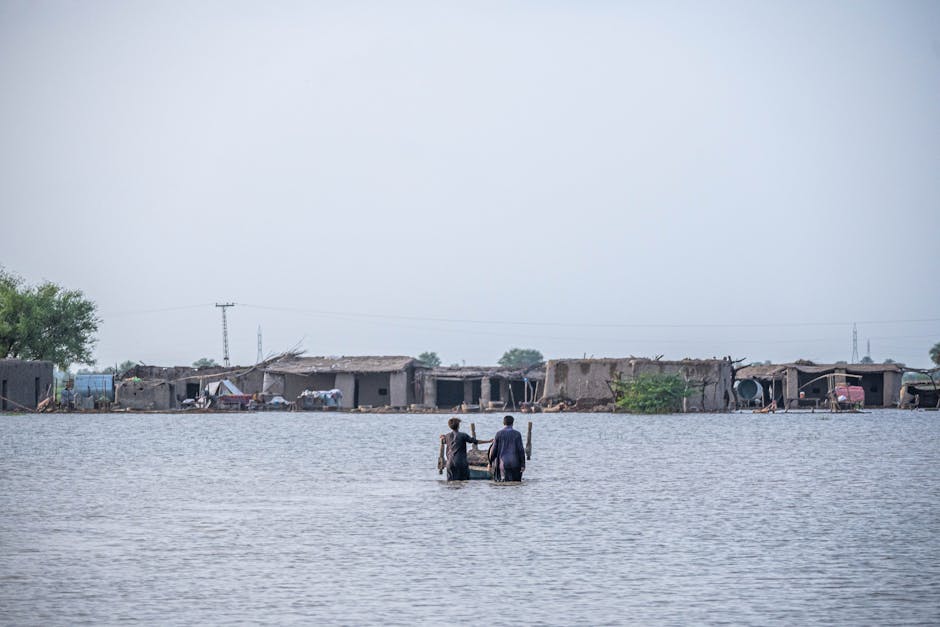
Telkom Indonesia’s rapid restoration of 99.9% connectivity after the Sumatra floods and landslides underscores its pivotal role in disaster recovery efforts. As competition intensifies and climate challenges mount, how can telecom companies continue to innovate and safeguard connectivity during crises? Share your thoughts below!