Unlocking Africa’s Cross-Border Trade Potential
Africa’s burgeoning e-commerce market, projected to skyrocket to $75 billion, remains largely untapped by the continent’s small and medium-sized enterprises (MSMEs). Despite thriving sectors like fashion and arts gaining global recognition, outdated trade structures, financial fragmentation, and inadequate digital systems prevent many entrepreneurs from seizing opportunities across borders. This was the urgent focus of the recent Ananse Africa Virtual Roundtable, which gathered experts from the creative and financial sectors to address the barriers holding Africa back from its cross-border trade potential.
The Benchmarks for a Thriving Creative Economy

Pexels
The creative sector, represented by figures like Samuel Mensah of Ananse and Roberta Annan of the African Fashion Foundation, highlighted how Africa’s MSMEs represent 90% of businesses and contribute to over half of the continent’s GDP. Yet, they grapple with challenges like burdensome payment systems and costly logistics. Entrepreneurs must navigate a network of over 277 mobile wallets and 500 banks, often enduring transaction fees that erode margins by as much as 30%. Logistics, too, impose severe restrictions, with customs delays averaging 12 days and transport costs consuming as much as 60% of a product’s value.
Trust deficits exacerbate these structural issues. MSMEs face persistent doubts regarding the reliability of payments and delivery systems. This lack of trust suppresses intra-African commerce, which represents a mere 16% of total merchandise trade. Without robust digital systems and streamlined cross-border regulations, these enterprises remain unable to fully thrive in Africa’s growing online marketplace.
Initiatives Bridging the Gap
Pexels
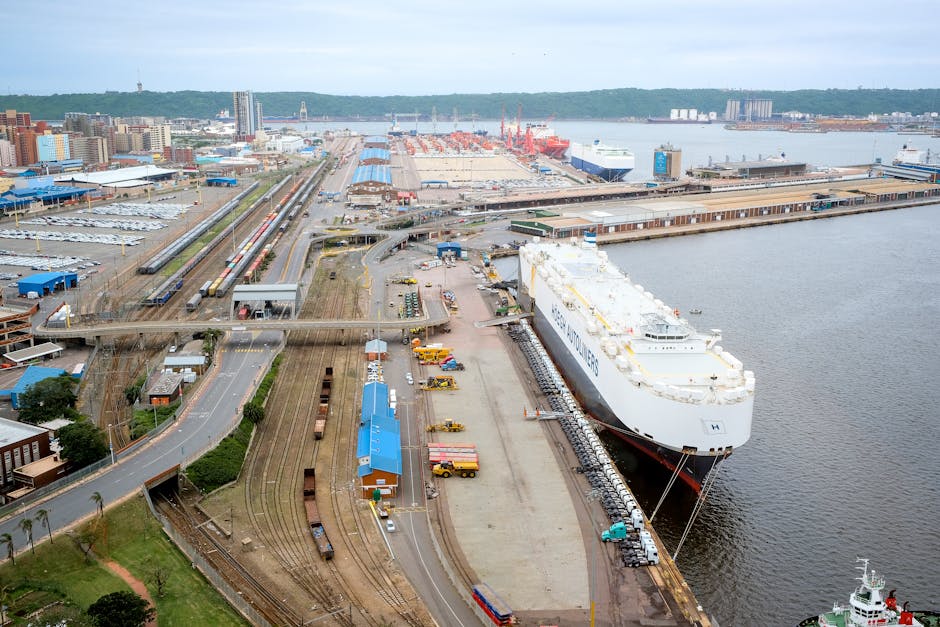
Several pioneering initiatives are stepping up to alleviate these challenges. Afreximbank’s Pan-African Payments and Settlement System (PAPSS) facilitates seamless cross-border transactions in local currencies, reducing the dependency on costly conversions. Likewise, the ACDIRT tool within Afreximbank offers real-time business verification, fostering confidence between trading partners.
Ananse, a platform dedicated to Africa’s creatives, collaborates with logistics giants like DHL to lower shipping costs and improve delivery reliability. By aggregating demand and streamlining operations, platforms such as these empower entrepreneurs to focus on their craft rather than the complexities of navigating fragmented markets.
Policy Overhaul Needed for Sustainable Growth
Pexels
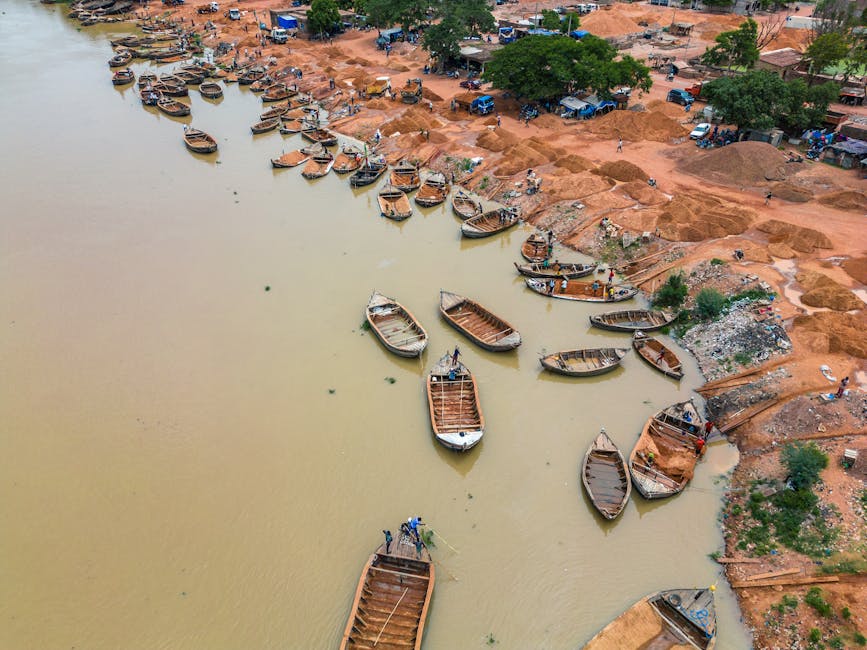
Experts at the roundtable emphasized the need for accelerated policy harmonization across the continent. Governments were urged to prioritize consistent enforcement of the African Continental Free Trade Area (AfCFTA) agreement. Standardizing customs procedures and removing non-tariff barriers would just be the beginning of creating a more predictable trading environment.
Beyond trade facilitation, participants called for an integrated digital data infrastructure capable of real-time verification of transactions and shipments. This would enable financial institutions to assess actual risks rather than perceived ones, paving the way for MSMEs to access credit more easily. Financial inclusion also remains paramount. With many MSMEs reliant on mobile money systems, mainstreaming these services into the formal cross-border ecosystem would generate verifiable transaction histories, creating pathways for greater financial trust.
The High Stakes for Africa’s Economic Ambition
Pexels
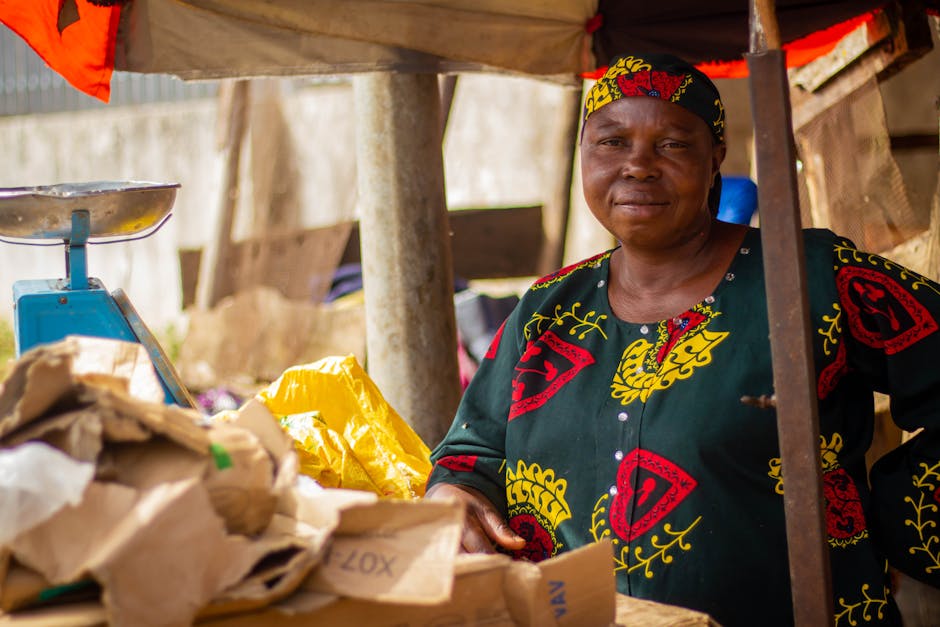
Unlocking the potential of MSMEs is not merely an economic priority—it is a cornerstone for realizing Africa’s broader growth aspirations. As advocates like Otsetswe Koboyankwe of Botswana’s National Arts Council highlighted, the success of Africa’s small businesses reflects the shared promise of the continent. Integrating innovative payment systems, reworking policy frameworks, and building trust in logistics are all crucial for striking at the heart of these barriers.
The creative economy in Africa is poised to thrive, but it cannot grow alone. Governments, private enterprises, and global stakeholders must work in unison to address the challenges. With collective efforts focused on establishing modern infrastructure and streamlined trade mechanisms, Africa’s cross-border trade potential could finally be unlocked, driving prosperity for generations.