US Senator Labels South Africa an ‘Adversary’ Amid Controversial Naval Exercises
According to African Business, tensions between the US and South Africa have escalated sharply as Senator Jim Risch, Chairman of the Senate Foreign Relations Committee, declared South Africa a “US adversary.” This announcement comes in response to South Africa hosting controversial naval drills with Iran, China, and Russia under the “Will for Peace 2026” initiative.
South Africa’s Naval Partnership Sparks International Controversy
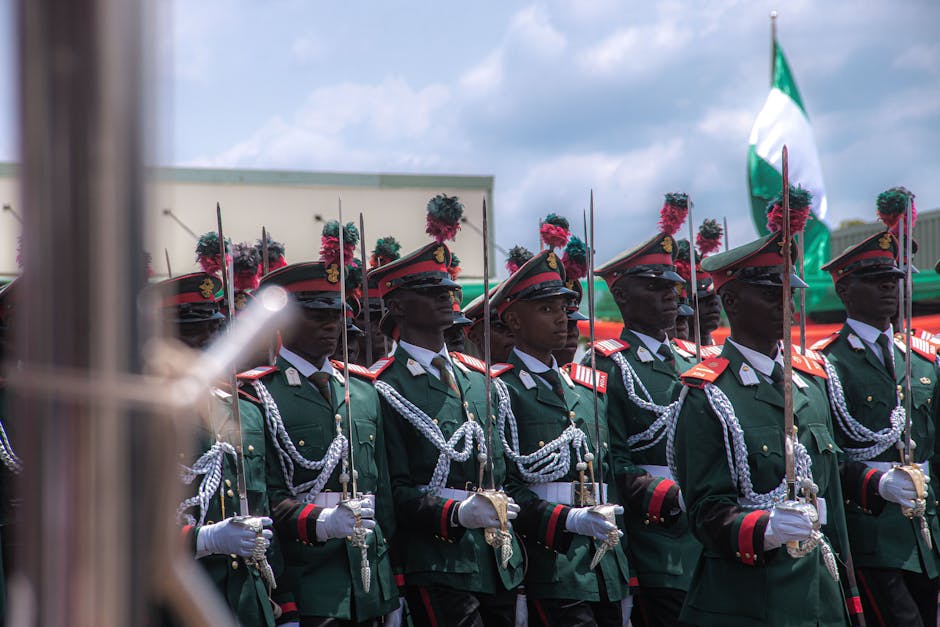
The joint naval exercises, hosted off South Africa’s coast, have drawn international attention, particularly from the US. The exercises include ships from BRICS members (Brazil, Russia, India, China, South Africa) as well as Iran—a country entangled in severe human rights controversies and economic sanctions. Senator Risch criticized South Africa’s move, claiming that its “non-aligned” foreign policy veils a growing alignment with nations openly challenging US leadership.
Captain Nndwakhulu Thomas Thamaha, representing South Africa’s naval forces, defended the drills as a critical step to ensure maritime security, emphasizing global cooperation against piracy and other security threats. However, backlash intensified after Iranian naval participation was confirmed, despite reports that South Africa had initially requested Iran’s withdrawal to mitigate tensions with Washington.
In a significant escalation, Risch reiterated calls for the US to adopt robust countermeasures, arguing that “promises or agreements from such a government are meaningless while hostility persists.” Russia’s involvement also reignited US concerns, particularly amid its ongoing conflict with Ukraine and South Africa’s prior failed mediation efforts in the war.
Geopolitical Implications for South Africa and the US

South Africa’s decision to host these exercises presents significant consequences in global geopolitics. Previously known for its neutral stance, South Africa risks alienating key trading partners, including the US, which provides preferential trade agreements such as the African Growth and Opportunity Act (AGOA). The renewal of AGOA, set for 2026, may now come under scrutiny as Republican lawmakers have called for South Africa’s exclusion based on its strategic realignment.
Senator John Kennedy voiced similar concerns, describing South Africa’s actions as “proof of a widening rift with democratic nations.” Market analysts view this as a critical juncture for South Africa, given that the US represents a vital export destination, particularly for automotive and agricultural goods. A potential exclusion from AGOA could economically strain Africa’s most industrialized economy.
Expert Perspectives on the Broader Impact

Defense experts suggest that South Africa’s growing ties with BRICS nations, potentially at the expense of deteriorating relations with the West, represent a calculated risk aimed at diversifying its geopolitical strategy. However, criticisms have also emerged regarding a lack of coherence within South Africa’s foreign policy apparatus. Reports from defense journalist Dean Wingrin highlight possible conflicting positions between the South African Presidency, its Department of International Relations and Cooperation (DIRCO), and its Ministry of Defense.
These naval exercises also have technological and defense implications. Analysts point to the signal these drills send regarding coordinated information-sharing and defense strategy among participants, setting a precedent for future BRICS military collaborations.
The Road Ahead: A Diplomatic and Economic Crossroads

The fallout of these maritime drills is likely to ripple out well beyond military matters, affecting future diplomatic and trade relations. Economic observers caution that escalating tensions with global powers like the US could shake investor confidence. Meanwhile, South Africa’s engagement within the BRICS bloc hints at renewed calls for multipolarity in global governance.
As geopolitical alliances shift, the question remains: Can South Africa balance its pursuit of global relevance with the economic realities of maintaining key relationships, particularly with one of its largest trade partners?
What are your thoughts on South Africa’s strategic pivot? Share your views below.