Verizon’s network strategy for 2025 is poised to redefine the competitive landscape of telecommunications through aggressive technological investment and infrastructure expansion. As the industry accelerates beyond initial 5G deployments, Verizon is strategically positioning itself to leverage next-generation wireless, fiber optics, and artificial intelligence to deliver unprecedented connectivity, reliability, and services. This comprehensive analysis delves into the core pillars of their roadmap, examining the critical moves in spectrum acquisition, network densification, and enterprise solutions that will shape their market dominance in the coming years. Understanding this strategy is essential for competitors, investors, and consumers alike, as it signals a fundamental shift towards a fully integrated, intelligent, and automated network ecosystem. The stakes are incredibly high, and Verizon’s execution will be a bellwether for the entire sector’s evolution.
Key Takeaways

- Verizon’s 2025 strategy hinges on massive C-Band and mmWave 5G deployment to achieve nationwide ultra-wideband coverage.
- Significant capital expenditure is directed toward fiber backhaul expansion to support dense 5G networks and fixed wireless access.
- Artificial Intelligence and Machine Learning (AI/ML) will be embedded into network operations for predictive maintenance and automated optimization.
- The company is aggressively pursuing private 5G networks and enterprise solutions as a major new revenue stream.
- Network convergence, blending wireless, fiber, and edge computing, is central to delivering seamless consumer and business services.
- Sustainability goals are being integrated into network upgrades, focusing on energy efficiency and reduced carbon footprint.
Accelerating 5G Nationwide: The Core of Verizon’s Wireless Ambitions

Verizon’s network strategy for 2025 is fundamentally anchored on the rapid and comprehensive deployment of its 5G Ultra Wideband network, utilizing both mid-band C-Band and high-band mmWave spectrum. The company has committed over $53 billion in the FCC’s C-Band auction, a clear signal of its intent to own a dominant swath of mid-band spectrum ideal for balancing coverage and capacity. By 2025, the goal is to provide 5G Ultra Wideband service to over 250 million people, effectively blanketing the majority of the U.S. population with high-speed, low-latency connectivity. This expansion is not merely about consumer mobile speeds; it is the essential foundation for every other strategic initiative, from fixed wireless home internet to mission-critical industrial applications. The pace of this rollout will be a key metric for analysts tracking Verizon’s competitive position against T-Mobile’s well-established mid-band lead and AT&T’s own build-out plans.
Furthermore, Verizon will continue to strategically deploy millimeter wave (mmWave) spectrum in dense urban cores, stadiums, airports, and enterprise campuses. While mmWave’s propagation limitations are well-known, its unparalleled multi-gigabit capacity is irreplaceable for managing network congestion in high-demand locations. The 2025 strategy involves a more sophisticated, targeted approach to mmWave, integrating it with C-Band and low-band 5G to create a seamless, multi-layered network experience. For instance, a user in a crowded city center might automatically connect to a mmWave small cell for a video conference, while seamlessly transitioning to C-Band when moving into a residential area. This intelligent network slicing and traffic management, powered by advanced software, will be a defining feature of Verizon’s service quality. The integration of these disparate spectrum assets into a cohesive whole represents one of the most significant technical challenges—and opportunities—of their 2025 roadmap.
The Critical Role of Network Densification
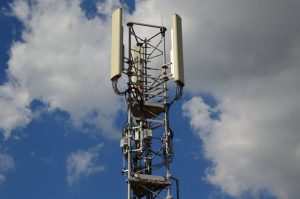
To support the capacity demands of 5G, especially in urban and suburban areas, Verizon’s network strategy for 2025 necessitates an unprecedented wave of network densification. This involves deploying tens of thousands of new cell sites, small cells, and distributed antenna systems (DAS). The traditional macro-cell tower model is insufficient to deliver the consistent high-speed, low-latency experience promised by 5G, particularly for bandwidth-intensive applications like augmented reality and autonomous vehicle communications. Consequently, Verizon is entering into extensive partnerships with municipalities and property owners to streamline the permitting process for small cell installations on streetlights, utility poles, and building facades. This dense layer of infrastructure is the physical backbone that will make advanced 5G services a tangible reality for millions of customers.
Fiber as the Unseen Backbone: Powering 5G and Beyond

While wireless technologies capture headlines, Verizon’s network strategy for 2025 recognizes that fiber-optic cable is the indispensable, high-capacity backbone that makes advanced wireless networks possible. Every 5G cell site, especially those using high-bandwidth C-Band and mmWave spectrum, requires a fiber-optic connection for backhaul to the core network. Verizon is therefore on a parallel mission to dramatically expand its fiber footprint, both through its own construction projects and via partnerships. The company has signaled that it will pass millions of additional homes and businesses with fiber, not only to support its Fios consumer internet service but also to provide the essential infrastructure for its 5G network. This dual-use approach maximizes the return on the enormous capital expenditure required for fiber trenching and deployment.
In addition to supporting wireless, fiber is central to Verizon’s growing fixed wireless access (FWA) business, which uses 5G signals to deliver home broadband. For FWA to compete effectively with cable and fiber-to-the-home services, it must be fed by robust fiber backhaul to avoid bottlenecks. Moreover, Verizon’s enterprise strategy heavily relies on its fiber network to offer dedicated internet access (DIA), cloud connectivity, and wavelength services to large businesses. The company’s recent capital investment plans clearly earmark a significant portion for fiber, understanding that it is a long-term asset that will pay dividends across all business segments. Could this focus on fiber lead Verizon to become a more formidable competitor in the landline broadband market, directly challenging Comcast and Charter? The infrastructure being laid now certainly provides that optionality.
AI and Automation: Building the Self-Optimizing Network

A cornerstone of Verizon’s network strategy for 2025 is the deep integration of artificial intelligence (AI) and machine learning (ML) to create a more resilient, efficient, and proactive network. Moving beyond traditional, reactive network management, Verizon is deploying AI-driven platforms that can predict failures, optimize traffic flow in real-time, and automatically reconfigure resources to meet demand. For example, their network operations centers are evolving into AI command centers that can analyze petabytes of data from network sensors to identify a potential hardware fault before it causes an outage. This shift from preventative to predictive maintenance is crucial for achieving the “five-nines” (99.999%) reliability required for future services like remote surgery or autonomous logistics.
Furthermore, AI is instrumental in managing the incredible complexity of a multi-spectrum, multi-technology network. Through techniques like reinforcement learning, the network can learn the optimal path for different types of traffic—prioritizing latency for a cloud gaming packet while ensuring bandwidth for a 4K video stream. This intelligent traffic steering is a form of dynamic network slicing that will become increasingly important for enterprise customers who require guaranteed performance for their applications. Verizon’s partnership with major cloud providers like Amazon Web Services (AWS) and Microsoft Azure is partly aimed at co-developing these AI/ML capabilities at the edge of the network. The goal is a zero-touch network that reduces operational costs, improves customer experience, and unlocks new revenue streams from automated network-as-a-service offerings.
“The future network is a cognitive network. It’s not just about moving bits; it’s about understanding the intent of the data and the service, and orchestrating the entire infrastructure to fulfill that intent autonomously.” – Industry Analyst on Network Automation Trends.
Enterprise and Private Networks: The New Growth Frontier

Verizon’s network strategy for 2025 places a major emphasis on the enterprise market, viewing private 5G networks and tailored business solutions as a primary engine for revenue growth beyond saturated consumer mobility. Industries such as manufacturing, logistics, healthcare, and ports are ripe for transformation through private wireless networks that offer superior security, reliability, and control compared to Wi-Fi or public cellular. Verizon Business is actively deploying these turnkey solutions, providing companies with their own dedicated slice of 5G spectrum and core network functions on-premises. This enables applications like real-time inventory tracking with AR, autonomous mobile robots in warehouses, and high-definition remote expert guidance for field technicians.
To accelerate this business, Verizon is leveraging its acquisitions, such as that of BlueJeans Network, and partnerships with system integrators and equipment vendors. The strategy involves offering not just connectivity, but a full stack of solutions that include devices, applications, security, and managed services. For instance, a partnership with IBM might combine Verizon’s 5G network with IBM’s expertise in AI and IoT analytics for a smart factory solution. The go-to-market model is consultative, working with enterprises to digitize their operations from the ground up. This focus moves Verizon up the value chain, from being a utility pipe provider to becoming a strategic technology partner, which commands higher margins and fosters deeper customer loyalty. The success of this segment will be a critical determinant of Verizon’s overall financial performance by 2025.
Key Enterprise Applications Driving Adoption
- Smart Factories: Real-time machine monitoring, predictive maintenance, and synchronized robotics.
- Connected Logistics: Asset tracking, automated guided vehicles (AGVs), and paperless warehouse management.
- Telehealth and Remote Patient Monitoring: Reliable, high-bandwidth connections for transmitting medical imagery and vital signs.
- Augmented Reality Training & Support: Overlaying digital instructions and information onto physical equipment for workers.
The Convergence of Network, Edge, and Cloud

A defining feature of Verizon’s network strategy for 2025 is the deliberate blurring of lines between the telecommunications network, edge computing, and public cloud platforms. Verizon is building out its own distributed edge compute platform, often in collaboration with cloud giants, to place processing power and storage physically closer to end-users and devices. This is essential for applications where milliseconds of latency matter, such as industrial automation, autonomous vehicles, and immersive virtual reality. By deploying edge computing infrastructure at its central offices and cell site aggregation points, Verizon can host applications and services that require immediate response times, bypassing the need to send data hundreds of miles to a centralized cloud data center.
This convergence creates a powerful synergy. The network provides the high-speed, low-latency connectivity; the edge provides the local compute; and the public cloud provides the scale, AI tools, and global application ecosystem. For developers, this means they can build applications once and deploy them across a hybrid environment that optimizes for performance and cost. Verizon’s role evolves into that of an integrated platform provider. A retailer, for example, could run real-time video analytics for loss prevention at the edge in a Verizon facility, while synchronizing inventory data with their core ERP system in the public cloud. This architectural shift is not merely technical; it fundamentally changes the business model and partnership dynamics within the tech industry, positioning network operators like Verizon as critical partners in the cloud-centric future.
Sustainability and Energy Efficiency: A Strategic Imperative
Verizon’s network strategy for 2025 is increasingly framed within the context of environmental, social, and governance (ESG) goals, with a specific focus on reducing the carbon footprint of its vast network operations. As network density and data traffic grow exponentially, so does energy consumption. Verizon has publicly committed to sourcing renewable energy for 50% of its total annual electricity consumption by 2025 and achieving net zero operational emissions by 2035. To meet these ambitious targets, the company is integrating sustainability directly into its network planning and technology choices. This includes deploying more energy-efficient radio equipment, utilizing advanced power management software that puts cell sites into low-power “sleep” modes during off-peak hours, and powering new sites with solar and hydrogen fuel cells where feasible.
Moreover, the transition to 5G itself offers significant energy efficiency gains per bit of data transmitted compared to 4G networks. Verizon’s engineers are focused on maximizing these gains through software-defined networking and virtualization, which allow network functions to run on standardized, energy-efficient servers in data centers rather than on proprietary hardware at each cell site. The company is also exploring circular economy principles, such as refurbishing and reusing network equipment to reduce electronic waste. These initiatives are not just about corporate responsibility; they are becoming a competitive advantage as large enterprise customers and government agencies increasingly mandate sustainable practices from their suppliers. A greener network is also a more cost-efficient one in the long run, aligning environmental and business objectives.
Navigating Regulatory and Competitive Headwinds
No analysis of Verizon’s network strategy for 2025 would be complete without considering the significant regulatory and competitive landscape in which it operates. On the regulatory front, Verizon must navigate ongoing debates about spectrum policy, net neutrality, data privacy, and infrastructure access. The availability of additional mid-band spectrum, crucial for 5G capacity, depends on actions by the Federal Communications Commission (FCC). Furthermore, municipal regulations and fees for small cell deployments can vary wildly, creating a patchwork of challenges for nationwide rollout. Verizon’s government affairs team will be intensely focused on advocating for policies that streamline deployment and allocate more licensed spectrum for commercial use, which it favors over the shared spectrum models promoted by some competitors.
Competitively, the pressure from T-Mobile—which now boasts the largest 5G footprint thanks to its Sprint merger—and a resurgent AT&T is immense. T-Mobile’s lead in mid-band spectrum gives it a marketing and performance advantage that Verizon is spending billions to counter. Meanwhile, cable companies like Comcast and Charter are leveraging their own extensive fiber networks to become formidable mobile virtual network operators (MVNOs), competing on price in the consumer market. Verizon’s response is a strategy of quality over pure price competition, betting that its network performance, reliability, and advanced enterprise services will justify a premium. However, this requires flawless execution of its 2025 build-out plan. Will Verizon’s massive capital investment be enough to regain a clear network leadership position, or will the market remain a fierce three-way battle with differentiated strengths? The answer will shape the U.S. telecom industry for the rest of the decade.
Conclusion
Verizon’s network strategy for 2025 represents a comprehensive and capital-intensive plan to secure its future as a leader in the connected world. It is a multi-faceted approach that intertwines massive 5G expansion with deep fiber deployment, intelligent automation through AI, and a strategic pivot toward high-value enterprise and edge computing services. The success of this strategy hinges on flawless execution across all these domains simultaneously—a formidable challenge even for an industry giant. For consumers, the outcome should mean faster, more reliable connectivity and innovative new services. For businesses, it promises the tools for profound digital transformation.
Ultimately, Verizon is betting that by controlling a superior, integrated infrastructure platform, it can offer an unparalleled quality of service that commands premium pricing and fosters deep customer relationships. The journey to 2025 will be closely watched, as it will not only determine Verizon’s fate but also influence the pace of technological adoption across the entire economy. As the lines between telecom, cloud, and IT continue to blur, Verizon’s ambitious roadmap provides a clear window into the future of connectivity. Are you prepared for how these network advancements will transform your industry or daily life?