Verizon’s Innovative Network Strategies for 2025: Leading the Charge in Connectivity
As the telecommunications landscape continues its rapid evolution, staying ahead requires constant innovation and strategic foresight. Verizon, a titan in the industry, is not just participating in this evolution; it’s actively shaping it. Understanding Verizon’s innovative network strategies for 2025 offers a crucial glimpse into the future of connectivity, from the ubiquitous smartphone in your pocket to the complex infrastructure powering industries. This article delves into the core pillars of Verizon’s forward-thinking approach, examining how they are leveraging cutting-edge technologies and strategic investments to enhance performance, expand reach, and redefine the user experience in the coming year and beyond.
The company’s focus extends beyond simply providing faster speeds; it encompasses building a more robust, reliable, and intelligent network capable of supporting the burgeoning demands of 5G, edge computing, and the Internet of Things (IoT). These strategies are not theoretical exercises but practical implementations designed to deliver tangible benefits to consumers and businesses alike. By prioritizing key areas like network densification, spectrum acquisition, and the integration of artificial intelligence, Verizon aims to solidify its position as a leader in the next generation of telecommunications.
Key Takeaways
- Verizon is focusing on network densification and spectrum expansion to boost 5G performance.
- AI and automation are critical components of Verizon’s strategy for network efficiency and reliability.
- Edge computing is a key enabler for low-latency applications, a major focus for Verizon’s enterprise solutions.
- Fiber optic expansion remains fundamental to supporting the massive data demands of modern networks.
- Customer experience is paramount, driving investments in network quality and service innovation.
- Strategic partnerships are vital for accelerating technology adoption and market penetration.
Expanding 5G Capabilities and Spectrum Dominance
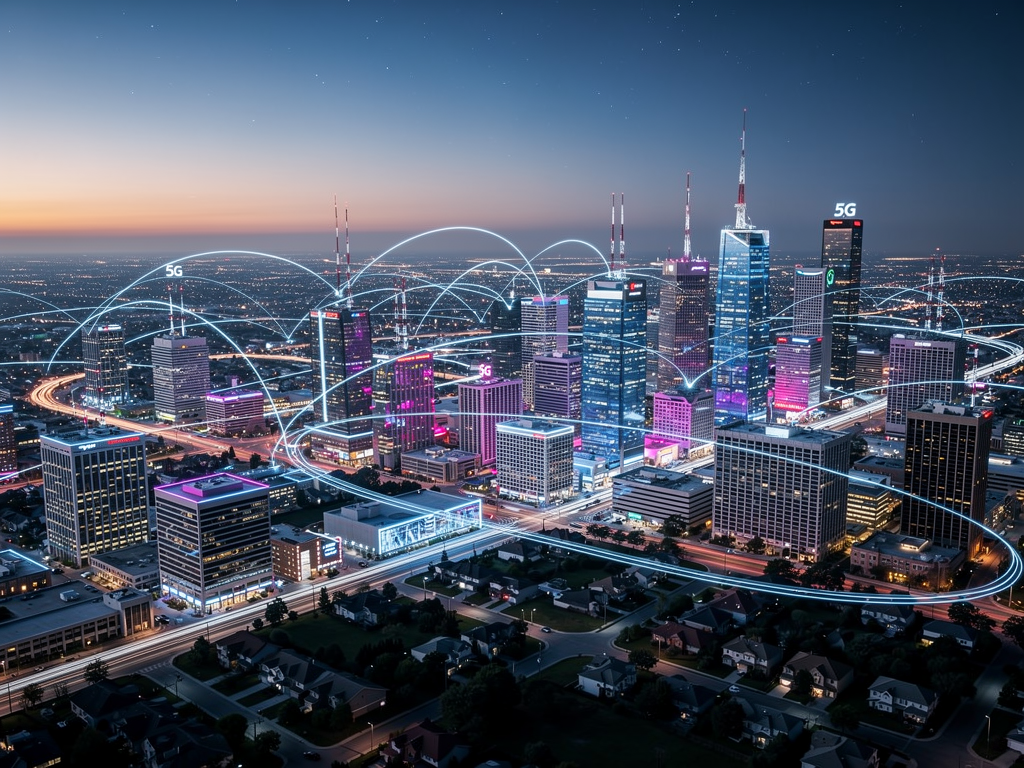
A cornerstone of Verizon’s strategy for 2025 is the aggressive expansion and enhancement of its 5G network. This involves not only increasing the geographic coverage of its ultra-wideband (UWB) 5G service but also improving its capacity and performance. Network densification, the process of deploying more cell sites, particularly small cells in urban and suburban areas, is a primary tactic. This approach brings the network closer to users, significantly reducing latency and increasing data throughput, which are critical for seamless mobile experiences and advanced applications like augmented reality (AR) and virtual reality (VR).
Furthermore, Verizon continues to prioritize acquiring and effectively utilizing spectrum across low-band, mid-band, and high-band frequencies. While high-band (mmWave) offers incredibly high speeds, its range is limited. Mid-band spectrum, often referred to as the 5G “sweet spot,” provides a balance of speed, capacity, and coverage. Verizon’s strategic investments in securing substantial mid-band spectrum assets are crucial for delivering a consistent and robust 5G experience to a wider customer base. This multi-spectrum approach ensures that users benefit from the best possible performance depending on their location and application needs, a key element in Verizon’s innovative network strategies for 2025.
Leveraging AI and Automation for Network Optimization
Artificial intelligence (AI) and machine learning (ML) are no longer futuristic concepts for telecom networks; they are essential tools for operational efficiency and service quality. Verizon is integrating AI and automation deeply into its network management and operations. This includes predictive maintenance, where AI algorithms analyze network data to anticipate potential equipment failures before they occur, thereby minimizing downtime and improving service reliability. For instance, AI can monitor the performance of thousands of cell towers, identifying subtle anomalies that might indicate an impending issue, allowing technicians to address it proactively.
Moreover, AI plays a vital role in dynamic network optimization. By analyzing real-time traffic patterns and user demand, AI systems can automatically adjust network resources to ensure optimal performance. This means that during peak usage times, the network can intelligently allocate more bandwidth to congested areas, ensuring that customers continue to receive high-quality service. This intelligent automation not only enhances the customer experience but also improves the overall efficiency of network operations, reducing manual intervention and operational costs. Such advancements are central to the telecom innovation driving Verizon forward.
The Rise of Edge Computing and Private Networks
Edge computing represents a significant shift in how data is processed, moving computation and data storage closer to the source of data generation. Verizon is investing heavily in its edge computing capabilities, recognizing its potential to unlock new applications and services that require ultra-low latency. By deploying compute and storage resources at the edge of its network, closer to enterprise customers and end-users, Verizon can enable near-instantaneous data processing. This is particularly critical for applications such as autonomous vehicles, real-time industrial automation, remote surgery, and immersive gaming experiences that are simply not feasible with traditional cloud computing models.
In parallel, Verizon is expanding its offerings in private 5G networks and dedicated enterprise solutions. These private networks provide businesses with the control, security, and performance of a dedicated cellular network tailored to their specific needs. For a manufacturing plant, this could mean a private 5G network enabling real-time monitoring and control of robotics and automated guided vehicles (AGVs). For a university campus, it might facilitate secure, high-performance connectivity for research and administrative purposes. These tailored solutions underscore Verizon’s commitment to serving the diverse and evolving needs of the enterprise sector as part of its broader 5G deployment strategy.
Investing in Fiber Optics as the Foundation
While the focus is often on wireless advancements, the foundational role of fiber optic infrastructure cannot be overstated. Verizon continues to make substantial investments in expanding its fiber optic network, which serves as the backbone for its wireless services and a critical component for its fixed wireless access (FWA) and enterprise offerings. High-capacity fiber connects cell towers, data centers, and central offices, providing the necessary bandwidth to support the massive data traffic generated by 5G and other advanced services. Without a robust fiber backhaul and fronthaul network, the full potential of 5G and edge computing cannot be realized.
Furthermore, Verizon’s commitment to fiber extends to its consumer and business broadband services. The company’s ongoing fiber-to-the-home (FTTH) expansion aims to deliver gigabit-speed internet access to more households and businesses, offering a competitive alternative to cable internet. This dual focus on wireless and wireline infrastructure ensures that Verizon possesses a comprehensive and resilient network capable of meeting the escalating demands for bandwidth and connectivity across all segments of the market. This integrated approach is a key differentiator in the competitive network infrastructure landscape.
Enhancing Customer Experience Through Network Quality
Ultimately, all of Verizon’s technological advancements and strategic investments are aimed at enhancing the customer experience. The company understands that network performance, reliability, and availability are paramount to customer satisfaction and loyalty. This means not only delivering faster speeds and lower latency but also ensuring consistent coverage and dependable service, whether a customer is streaming video, participating in a video conference, or using mission-critical business applications. Verizon actively monitors network performance metrics and gathers customer feedback to identify areas for improvement.
In addition to core network performance, Verizon is also focusing on innovative customer service and support channels, integrating network insights to provide proactive assistance. For example, if a customer experiences a network issue, AI-driven systems might alert them to a known outage or suggest troubleshooting steps before they even need to contact support. This focus on a holistic customer journey, powered by a superior network foundation, is a critical component of Verizon’s innovative network strategies for 2025. How do you see these advancements impacting your daily connectivity needs?
Strategic Partnerships and Ecosystem Development
No single company can innovate in isolation, especially in a complex field like telecommunications. Verizon actively cultivates strategic partnerships across various sectors to accelerate the development and adoption of new technologies and services. These collaborations span technology providers, content creators, application developers, and enterprise customers. For instance, partnerships with cloud providers are essential for enabling seamless integration between Verizon’s edge computing infrastructure and hyperscale cloud services.
Furthermore, collaborations with device manufacturers are crucial for ensuring that the latest smartphones, IoT devices, and other connected hardware are optimized for Verizon’s 5G network. By working closely with these partners, Verizon can foster an ecosystem where innovative applications and services can thrive, leveraging the full capabilities of its advanced network. This ecosystem approach is vital for driving widespread adoption of 5G and realizing the transformative potential of technologies like edge computing and the IoT. These alliances are integral to the success of wireless network evolution.
Conclusion
Verizon’s strategic roadmap for 2025 is characterized by a multi-faceted approach focused on pushing the boundaries of wireless technology, enhancing network intelligence, and deepening its fiber infrastructure. The company’s commitment to expanding its 5G footprint, optimizing performance through AI and automation, and pioneering edge computing solutions demonstrates a clear vision for the future of connectivity. These efforts are not just about staying competitive; they are about enabling a new generation of digital experiences and services for consumers and businesses alike.
By continuing to invest in spectrum, fiber optics, and strategic partnerships, Verizon is building a network that is not only faster and more reliable but also more intelligent and adaptable. The focus on Verizon’s innovative network strategies for 2025 highlights a dedication to leading the industry through technological advancement and a relentless pursuit of superior customer experience. What are your expectations for Verizon’s network performance in the coming year?