Viasat Amara: Revolutionizing In-Flight Connectivity with ESA Support
Airline passengers may soon enjoy seamless video streaming and video calls during flights, thanks to a cutting-edge connectivity solution developed through a collaboration between Viasat and the European Space Agency (ESA). Named Viasat Amara, this revolutionary in-flight connectivity system represents a leap forward in satellite communication technology, offering passengers unparalleled online experiences while in the air. Building on the success of a 2021 experimentation conducted under ESA’s Advanced Research in Telecommunications Systems (ARTES) program, this innovation is poised to change the way airlines approach onboard connectivity.
Understanding Viasat Amara’s Dual-Beam Phased Array Technology

Pexels
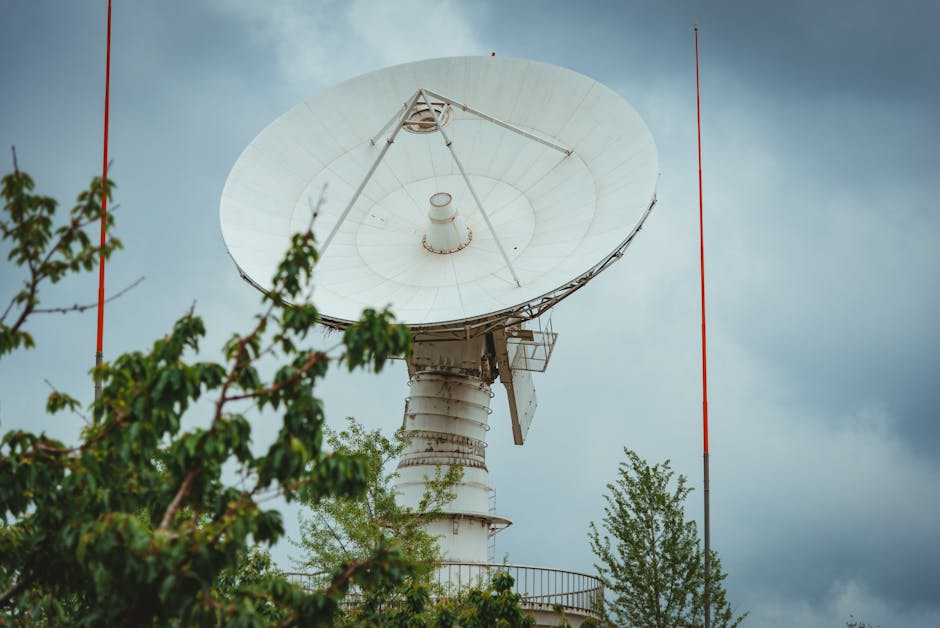
At the core of Viasat Amara is a dual-beam phased array antenna, a highly advanced system that enables simultaneous connections to satellites in both low Earth orbit (LEO) and geostationary orbit (GEO). By doing so, the system combines the advantages of low-latency, delay-free communication from LEO satellites with the high bandwidth offered by GEO satellites. This groundbreaking technology is a game changer for activities such as video calls, which require minimal latency, and video streaming or data-intensive applications like live sports streaming.
The phased array antenna’s innovative design eliminates the need for large, mechanically moving antennas. Instead, it relies on electronically steered smaller components that synchronize their signals to establish a unified connection. This modular design not only accelerates connection speeds but also allows the system to connect to two satellites simultaneously, ensuring uninterrupted service even when traversing regions with varying satellite coverage. Additionally, this modular approach simplifies integration into existing onboard systems, offering airlines a cost-effective upgrade path to next-generation connectivity.
Proving the Concept: A Successful Demonstration

Pexels
In 2021, the phased array antenna underwent rigorous real-world testing during a demonstration flight from Rotterdam, Netherlands, to Payerne, Switzerland. During the flight, passengers experienced uninterrupted high-speed satellite connectivity. They were able to stream platforms like YouTube and Netflix, as well as participate in video calls without signal drops or delays. This successful experiment showcased the reliability and robustness of the phased array technology, proving that high-speed, real-time connectivity is no longer just a concept but a viable reality for airline passengers.
The ESA partnership played a crucial role in developing, designing, and testing the system, further cementing the importance of collaborative innovation in advancing satellite communication technologies. Massimiliano Simeoni, Project Implementation Manager at ESA Connectivity and Secure Communications, emphasized the transformative nature of phased array antennas, calling them a “much-needed step towards more energy and space-efficient in-flight connectivity solutions.”
The Future of In-Flight Connectivity
Pexels
Commercial service of Viasat Amara is expected to begin in 2028, but its modular and scalable design means airlines can prepare for its adoption ahead of time. By addressing both the latency needs of video calling and the bandwidth demands of streaming, Viasat Amara aligns with growing consumer expectations for uninterrupted high-speed connectivity anywhere, anytime. The system’s ability to enhance passenger experiences also offers airlines a unique opportunity to build brand loyalty and differentiate themselves in the competitive aviation market.
With the collaborative support of ESA, Viasat is paving the way for a future where onboard Wi-Fi surpasses its current limitations and becomes a seamless, dependable offering. This achievement not only benefits passengers but also highlights the potential of partnerships between private companies and international organizations to drive technological advancements in the aerospace and telecommunications industries.