Virgin Media O2 Boosts Mobile Connectivity at Chelsea’s Stamford Bridge With Targeted Network Upgrades

According to Total Telecom, Virgin Media O2 has implemented significant upgrades to its mobile network infrastructure at Stamford Bridge, home of Chelsea FC, in a move designed to improve connectivity for tens of thousands of fans. The improvements include rooftop optimizations, enhanced small cells, and increased network capacity around the west London stadium, making it easier for fans to enjoy seamless connectivity during matches and events.
Targeted Network Upgrades Deliver Enhanced Fan Experience

The upgrades carried out by Virgin Media O2 represent a comprehensive effort to alleviate network congestion during peak times at Stamford Bridge. Specifically, the operator optimized rooftop network sites within the stadium and installed new and upgraded small cells on nearby streets. These measures aim to enhance mobile performance across key areas such as stands, concourses, and hospitality zones.
The results are impressive: visitors have reportedly experienced speeds that are four times faster on match days, while data usage has more than doubled compared to pre-upgrade levels. The improvements are particularly beneficial in enabling activities like mobile ticketing, contactless payments, and sharing photos or videos, all of which have become integral to the modern matchday experience.
“Stamford Bridge is an iconic stadium with extremely high demand on match days. By optimizing our network inside the ground and in the surrounding areas, we are giving O2 customers a more reliable mobile experience so they can enjoy every moment, from kick-off to the final whistle,” said Steven Verigotta, Director of Mobile Delivery at Virgin Media O2.
Why This Matters to the Telecom Industry

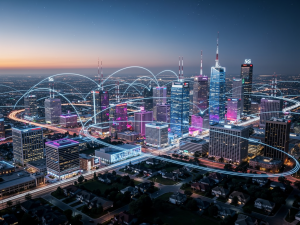
The Stamford Bridge upgrade is part of Virgin Media O2’s broader Mobile Transformation Plan, which focuses on expanding 4G and 5G network capabilities in dense urban spaces and tackling bottlenecks at highly congested venues. This initiative reflects an industry-wide push to meet growing consumer demands for seamless mobile connectivity at major hotspots—including stadiums, transport hubs, and city centers.
According to GSMA, mobile data traffic has been increasing by over 30% annually worldwide, driven by video streaming, social media usage, and other data-heavy applications. For telecom operators, delivering reliable connectivity in high-demand areas is now a competitive differentiator, especially as 5G adoption accelerates. Virgin Media O2’s deployment of small cells—miniature base stations ideal for high-density environments—illustrates how network operators are leveraging innovative technologies to stay ahead.
Competitors like Vodafone and BT will likely monitor these developments closely, particularly as Virgin Media O2 begins to utilize additional spectrum acquired from Vodafone to bolster its nationwide infrastructure. This spectrum acquisition underscores the fierce competition in the UK mobile market, where spectrum assets and infrastructure investment play a critical role in winning market share.
Future Outlook: Creating Smart Stadiums of Tomorrow

Looking forward, Virgin Media O2’s Stamford Bridge upgrade sets the stage for what could become a new standard in “smart stadium” innovation. Enhanced mobile networks can pave the way for more immersive fan experiences, such as augmented reality (AR) overlays, low-latency gaming, and real-time analytics sharing during live events. Telecom insiders believe that stadiums with cutting-edge connectivity will attract not only sports enthusiasts but also corporate partnerships that rely on robust digital infrastructure.
As the UK gears up for increased 5G rollout in 2026 and beyond, stadium operators and telecom providers must collaborate to meet future connectivity demands. “The race isn’t just to add capacity, but to rethink mobile infrastructure to enable richer fan engagements,” commented Martin Jackson, a telecom analyst at RCR Wireless News. This marks only the beginning of what’s possible as 5G becomes more widely implemented.
The question now is whether other major stadiums across the UK will follow suit with similar upgrades. Will Virgin Media O2’s lead spark a wave of investment in connectivity at entertainment venues nationwide? Share your thoughts in the comments below!