War Halts 2Africa Subsea Cable: AI Content Implications for Global Infrastructure
Published on March 16, 2026, by RCR Wireless News, a major conflict in the Middle East has forced a complete suspension of the final installation work for the 2Africa submarine cable’s critical Persian Gulf branch. The cable route is physically laid, but engineers cannot connect the landing stations in several Gulf nations, halting a key data artery designed to carry up to 180 terabits per second (Tbps) of capacity. This stoppage directly impacts global internet resilience and data flow between Europe, Africa, and Asia, creating immediate challenges for AI-powered content operations, cloud services, and real-time data processing that depend on low-latency, high-bandwidth connections.
Anatomy of a Stalled Digital Artery: The 2Africa Cable Crisis
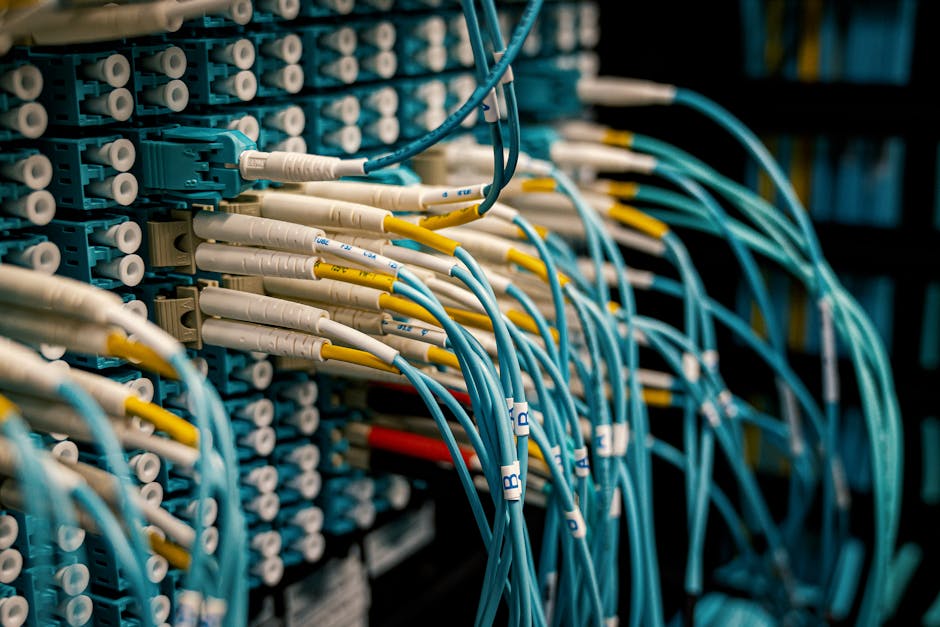
The 2Africa cable, a joint venture by Meta, China Mobile International, MTN GlobalConnect, Orange, STC, Telecom Egypt, Vodafone, and WIOCC, represents one of the most ambitious subsea infrastructure projects ever conceived. At approximately 45,000 km in length upon full completion, it is designed to circle the African continent, connecting 33 countries across three continents. The segment now halted—the Persian Gulf branch—is a vital spur linking the main cable to landing points in Oman, the United Arab Emirates, Qatar, Bahrain, Kuwait, Iraq, Pakistan, and potentially Saudi Arabia.
According to industry sources cited in the original report, the cable-laying ship has completed its primary task of depositing the fiber-optic line on the seabed. The physical cable is in place. The critical failure point is the “landing” phase: the process of bringing the cable ashore at designated stations and connecting it to terrestrial networks. This work requires specialized engineers, security coordination with local authorities, and calm geopolitical waters—all of which are currently impossible in an active war zone. The indefinite delay means that regions expecting a massive boost in bandwidth and redundancy must continue to rely on older, potentially saturated, and more vulnerable cable systems.
This incident underscores a harsh reality of the digital age: the global internet’s backbone is a physical, fragile network. While AI and cloud technologies operate in the virtual realm, they are wholly dependent on thousands of miles of glass and steel under the ocean. A single point of geopolitical friction can sever a data pipeline carrying the equivalent of billions of simultaneous HD video streams. For AI content creators and SaaS platforms, this translates to potential latency spikes, reduced data transfer speeds for asset-heavy media, and increased costs if traffic is rerouted through more expensive pathways.
Direct Impact on AI Content Creation and Global Digital Operations

For professionals using AI tools like EasyAuthor.ai, Jasper, or ChatGPT for content generation, and for businesses relying on platforms like WordPress, Shopify, or AWS, this infrastructure delay has tangible consequences. The 2Africa cable was engineered to reduce latency and increase capacity between key economic zones. Its suspension creates a multi-layered impact:
- Increased Latency for Cloud-Based AI Tools: Many AI writing assistants, image generators (like Midjourney or DALL-E), and video editing platforms process requests in centralized data centers, often in North America or Europe. Users in the Middle East, East Africa, and South Asia accessing these services may experience slower response times if their primary data route is congested or damaged. A delay of even 100 milliseconds can disrupt real-time collaboration and iterative editing workflows.
- Risks to Content Delivery and Website Performance: Websites and blogs hosting high-resolution images, videos, and interactive elements depend on Content Delivery Networks (CDNs) like Cloudflare, Akamai, or Amazon CloudFront. These CDNs cache content in servers globally to serve users quickly. A major cable outage or congestion in a region can force CDNs to serve content from more distant “points of presence,” slowing page load speeds—a critical factor for SEO and user experience.
- Threat to Data-Heavy Automation Workflows: Automated publishing workflows that involve transferring large media files, syncing databases between regions, or backing up content to cloud storage (e.g., via Dropbox, Google Drive, or automated WordPress backups) will see reduced throughput. This can bottleneck entire content production pipelines, especially for media companies and e-commerce sites.
- Market Volatility for Tech-Dependent Businesses: The uncertainty surrounding critical infrastructure can affect business planning. Startups and digital agencies operating in or serving the affected regions may face higher operational costs for premium bandwidth or need to invest in redundant, more expensive network solutions.
This event is a stark reminder that AI content strategy must account for infrastructure resilience. It’s not just about keyword research and prompt engineering; it’s about understanding the physical pathways that deliver your content and power your tools.
Practical Strategies for AI Content Creators to Mitigate Infrastructure Risk

You cannot lay your own submarine cable, but you can architect your content operations to be more resilient to global disruptions. Here are actionable steps for content strategists, bloggers, and digital publishers:
- Audit Your Hosting and CDN Geography: Check where your website’s hosting server and primary CDN nodes are located. Use tools like GTmetrix, Pingdom, or WebPageTest to see your site’s performance from different global regions. If your audience is concentrated in areas affected by the 2Africa delay (the Middle East, East Africa), consider leveraging a hosting provider or a CDN with robust points of presence in those areas, such as Cloudflare’s extensive network.
- Optimize Content for Low-Bandwidth Scenarios: Proactively improve website performance. Compress all images using tools like ShortPixel, Imagify, or WebP conversion plugins. Implement lazy loading for videos and images. Minify CSS and JavaScript files. A leaner site performs better under network congestion and provides a better user experience universally.
- Diversify Your AI Toolset and Data Sources: Don’t rely on a single AI platform or API endpoint located in one geographic region. If your primary AI writing tool experiences latency issues, have a tested backup option. Furthermore, if your content automation pulls data from external APIs (e.g., for news aggregation, stock prices, weather), ensure those services have high availability and redundancy.
- Implement a Staggered Publishing Schedule: For global audiences, avoid publishing all high-traffic content updates simultaneously. Use WordPress scheduling or automation platforms like EasyAuthor.ai to stagger posts. This reduces the instantaneous demand on your server and the network during peak hours, which may coincide with regional network stress.
- Monitor Global Internet Health: Follow resources like Submarine Cable Map, Cloudflare’s Status Page, and Downdetector. Awareness of major outages can help you preemptively communicate with your audience or delay resource-intensive updates.
Looking Ahead: Infrastructure as a Core Component of Content Strategy

The suspension of the 2Africa Persian Gulf link is more than a telecom news item; it is a case study in the interdependence of digital creation and physical infrastructure. As AI content generation becomes more sophisticated and data-intensive, its reliance on unimpeded, high-speed global networks will only grow. Future trends like real-time AI video generation, massive-scale personalized content delivery, and the metaverse will demand even more from these subsea cables.
For forward-thinking content strategists, this means elevating “infrastructure awareness” to a core competency. The lesson from March 2026 is clear: building a robust content engine requires planning for both virtual algorithms and physical cables. By adopting resilient hosting, optimizing asset delivery, and diversifying your tech stack, you can ensure your AI-powered content remains fast, reliable, and accessible—no matter what happens on the ocean floor.