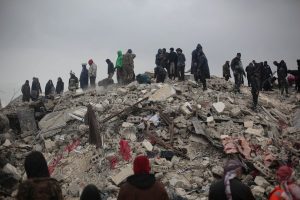
The catastrophic collapse of terrestrial networks during natural disasters underscores why resilient satcom networks have become the non-negotiable backbone of modern emergency response and recovery operations. When hurricanes flatten cell towers, earthquakes sever fiber optic cables, or wildfires consume critical infrastructure, satellite communications (satcom) remain the only reliable link for first responders, government agencies, and affected communities. Consequently, building a truly robust communication framework for disaster scenarios requires moving beyond traditional backup plans to architecting inherently resilient, multi-layered satcom systems designed to withstand extreme conditions and provide persistent connectivity. This comprehensive guide delves into the technical architectures, emerging technologies, and strategic implementation protocols that define the next generation of disaster-resilient satellite communications.
Key Takeaways
- Resilient satcom networks integrate GEO, MEO, and LEO satellites with terrestrial systems for redundancy.
- Pre-positioned, rapidly deployable terminals are critical for immediate post-disaster connectivity.
- Advanced modulation and spectrum technologies maximize throughput in degraded signal conditions.
- Interoperability standards and pre-established protocols are essential for multi-agency coordination.
- Regular testing, simulation, and workforce training are non-negotiable for operational readiness.
- Public-private partnerships are fundamental to scaling resilient satcom infrastructure cost-effectively.
The Imperative for Satellite Resilience in Crisis Communications

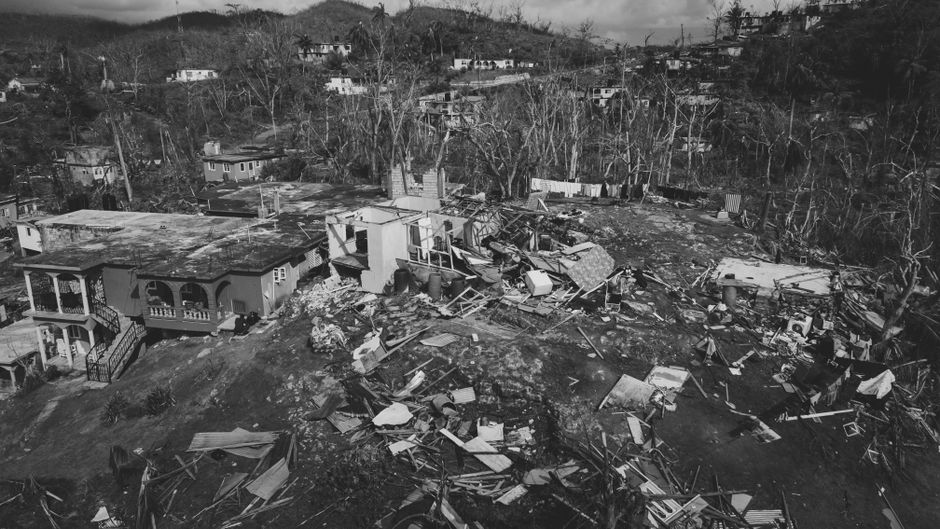
Terrestrial communication networks, while highly capable under normal conditions, possess inherent vulnerabilities that disasters ruthlessly exploit. Fiber optic cables can be severed by seismic activity or flooding, while microwave towers and cellular sites rely on grid power and physical structures that hurricanes, tornadoes, and wildfires can destroy in moments. The Federal Emergency Management Agency (FEMA) notes that during major events like Hurricane Katrina or the 2011 Tōhoku earthquake and tsunami, over 90% of local terrestrial communication infrastructure was incapacitated for extended periods. This creates a communication blackout that paralyzes coordinated response, hinders lifesaving situational awareness, and isolates affected populations. Resilient satcom networks directly address this vulnerability by leveraging assets physically removed from the disaster zone—satellites in space—to re-establish critical command and control, data backhaul, and public information channels.
Furthermore, the evolving nature of climate-related disasters demands a proactive rather than reactive approach. With the frequency and intensity of wildfires, floods, and storms increasing, the concept of resilience has shifted from a luxury to a core component of national and regional security strategy. Agencies like the U.S. Department of Homeland Security now mandate resilient communications planning. Satellite technology provides the unique advantage of broad area coverage, often spanning entire continents or oceans from a single satellite, enabling connectivity to be restored over vast, inaccessible, or contaminated areas where terrestrial repair crews cannot immediately operate. This capability makes satcom not just a backup, but the primary planned pathway for ensuring continuity of operations (COOP) for critical government and emergency service functions.
Architecting a Multi-Orbit, Multi-Layer Satcom Resilience Strategy
A single point of failure is the antithesis of resilience. Therefore, a robust disaster response satcom network cannot rely on a single satellite, frequency band, or orbital type. The most effective architectures employ a hybrid multi-orbit strategy that intelligently leverages the complementary strengths of Geostationary Earth Orbit (GEO), Medium Earth Orbit (MEO), and Low Earth Orbit (LEO) constellations. GEO satellites, positioned at approximately 36,000 km, provide stable, persistent coverage over fixed geographic areas, ideal for headquarters backhaul and broadcasting emergency alerts. However, their high altitude introduces significant signal latency (around 500ms round-trip), which can hinder real-time applications.
In contrast, emerging mega-constellations of LEO satellites, orbiting at 500-2,000 km, offer dramatically lower latency (20-40ms) and higher potential data throughput, enabling real-time video, drone control, and high-speed data for field teams. Companies like Starlink have demonstrated this capability in recent disasters in Ukraine and Florida. MEO constellations, like those used for O3b mPOWER, strike a balance, offering wider coverage than LEO with better latency than GEO. A resilient network design will use interoperable terminals capable of accessing multiple orbits and dynamically routing traffic based on availability, capacity needs, and link quality, ensuring service persistence even if one orbital layer is compromised.
Integrating Terrestrial and Non-Terrestrial Networks (NTN)
True resilience is achieved through deep integration with terrestrial systems, creating a seamless Non-Terrestrial Network (NTN) ecosystem. This involves more than just having a satellite phone as a last resort. Modern architectures use satellite for backhaul to connect temporary terrestrial cells (Cell on Wheels – COWs) or rapidly deployable network systems like Tactical Cellular Networks. For instance, a response team can deploy a portable 4G/5G micro-cell that connects via satellite to the core network, instantly providing local LTE/5G service to first responders’ standard smartphones and devices. This integration is being standardized in 3GPP’s Release 17 and beyond, which formally brings satellite access into the 5G architecture, allowing devices to roam automatically between terrestrial and satellite networks without user intervention—a paradigm shift for disaster connectivity.
Critical Technologies and Deployable Infrastructure

The “last mile” of a resilient satcom network is the ground segment—the terminals and equipment deployed in the disaster area. These must be rugged, rapidly deployable, and simple to operate under duress. Fly-away kits and satellite-on-the-move (SOTM) terminals are foundational. Fly-away kits are portable cases containing a foldable antenna (typically 0.75m to 1.2m), a modem, and a power supply, which can be shipped or carried on commercial airlines and set up by a small team in under 30 minutes to establish an immediate broadband link. SOTM terminals, mounted on vehicles, vessels, or aircraft, provide continuous connectivity for mobile command centers and reconnaissance teams, enabling real-time data flow from the heart of the crisis.
Power resilience is equally critical. Terminals must integrate with solar panels, fuel cells, or robust battery packs to operate independently of the local grid for days or weeks. Advancements in antenna technology, such as phased array and electronically steered antennas (ESAs), are revolutionary. Unlike mechanical dishes, ESAs have no moving parts, are more reliable, and can track multiple satellites or switch between constellations (GEO/LEO) electronically and almost instantly. This allows a single terminal to maintain a connection even if its primary satellite is obstructed or fails, automatically linking to another available satellite in the sky—a key feature for maintaining links in dynamic, obstructed environments common post-disaster.
“The transition from manual, single-satellite terminals to automated, multi-orbit, electronically steered systems represents the single greatest leap in field communications resilience for emergency services in the past decade.” — Senior Engineer, Global Emergency Telecommunication Cluster (ETC).
Ensuring Interoperability and Standardized Emergency Protocols
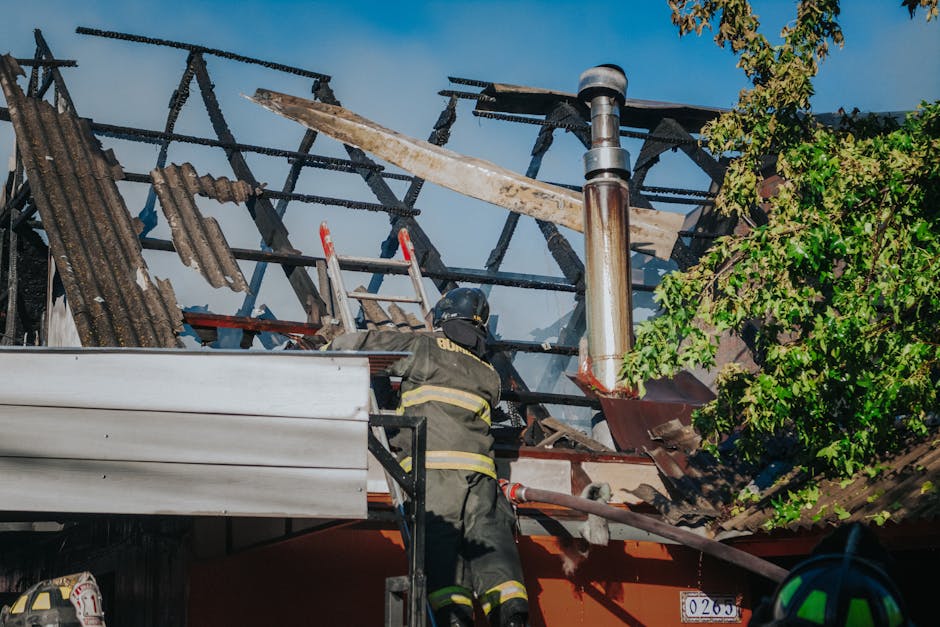
Advanced technology is useless if it cannot connect the right people at the right time. Disasters inevitably bring together multiple agencies—local fire and police, state National Guard, federal responders from FEMA or the military, and international NGOs—each potentially carrying different communication equipment. Interoperability is therefore the cornerstone of an effective response. Resilient satcom networks must adhere to open standards and common protocols. The International Telecommunication Union (ITU) and the European Telecommunications Standards Institute (ETSI) have developed critical standards for satellite emergency communications (SATEC). Furthermore, frameworks like the Emergency Telecommunications Cluster (ETC), led by the World Food Programme, operate on a global scale, providing pre-negotiated, turnkey satellite services and shared infrastructure for all responding humanitarian organizations during a crisis.
Operationally, this requires pre-disaster work: establishing common frequency plans, digital encryption standards for sensitive traffic, and shared operational procedures. Many regions now maintain pre-positioned satellite asset caches in strategically located warehouses, stocked with interoperable terminals that any authorized agency can draw upon immediately. Perhaps most importantly, regular multi-agency exercises that simulate total terrestrial network failure are essential. These drills test not only the technology but the human processes—the checklists, the points of contact, and the decision-making chains for activating and deploying the resilient satcom network, ensuring that when real disaster strikes, communication restoration is a practiced routine, not a chaotic experiment.
Overcoming Key Challenges: Cost, Spectrum, and Latency
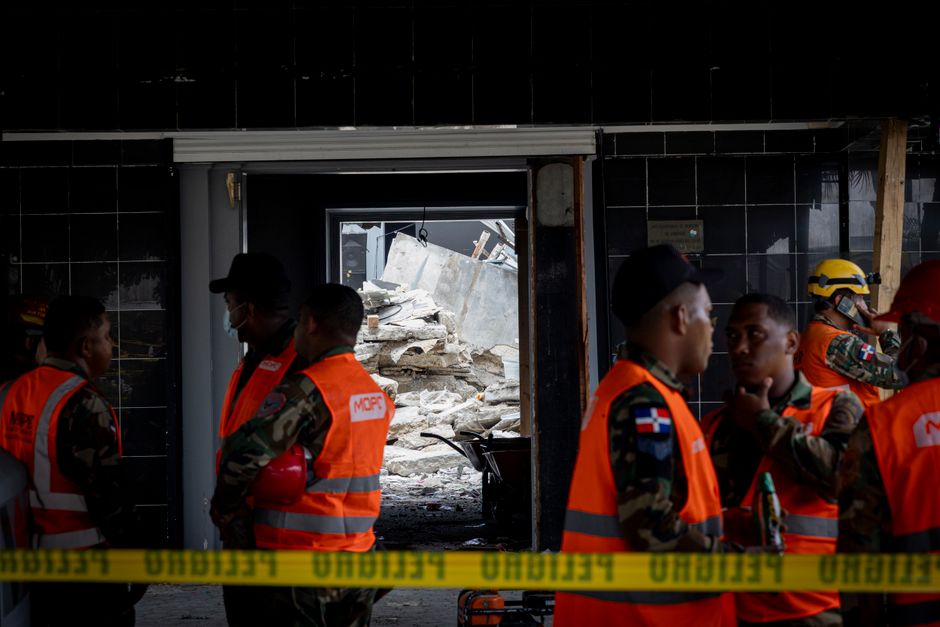
Despite their critical importance, deploying and maintaining resilient satcom networks faces significant hurdles. Cost has historically been the primary barrier, with satellite bandwidth and hardware traditionally far more expensive than terrestrial alternatives. However, the commoditization of bandwidth via high-throughput satellites (HTS) and the entry of LEO constellations are driving prices down dramatically. The challenge shifts from pure procurement to total cost of ownership, including training, maintenance, and ensuring operational readiness. Creative funding models, including public-private partnerships (PPPs) where commercial operators provide guaranteed capacity (on a pre-emptible or dedicated basis) to governments at reduced rates, are proving effective.
Spectrum allocation and interference pose another major challenge. During a major disaster, the radio frequency spectrum becomes congested with emergency traffic, and satellite links can suffer interference from improvised or misconfigured equipment on the ground. Coordinating spectrum use through pre-established plans and employing cognitive radio technologies that can dynamically switch to cleaner frequencies is vital. Furthermore, while latency is less of an issue for data and voice, it can impact certain real-time control applications. The solution lies in the intelligent network design discussed earlier, using LEO for latency-sensitive tasks and GEO for high-volume, non-time-critical data transport, all managed by a software-defined network (SDN) controller that optimizes the data flow across available paths.
Future Trends: AI, 5G Integration, and Autonomous Systems
The future of resilient satcom is intelligent, integrated, and autonomous. Artificial Intelligence (AI) and Machine Learning (ML) are being deployed to predict network congestion, automate traffic routing around damaged or congested nodes, and even predict satellite link degradation due to impending weather events, allowing for proactive re-routing. AI can also manage the complex handovers between dozens of LEO satellites moving rapidly overhead, ensuring seamless service for mobile users. Furthermore, the deep integration of satellite into 5G network architecture, as defined by 3GPP, will make satellite connectivity a native, seamless option for any 5G device, fundamentally changing how first responders’ equipment connects.
Another transformative trend is the use of satcom to command and control autonomous response systems. Unmanned Aerial Vehicles (UAVs or drones) and Unmanned Ground Vehicles (UGVs) can perform dangerous reconnaissance in disaster zones, transmitting high-definition video and sensor data back to command via low-latency satellite links. Similarly, autonomous vessels can conduct hydrographic surveys after floods or tsunamis. These systems rely on the persistent, beyond-line-of-sight connectivity that only satellite can provide in a degraded environment. As these technologies mature, the resilient satcom network evolves from a communications pipeline into the central nervous system for a largely automated, robotic first-response capability.
Building Your Organizational Resilience Roadmap
Developing a resilient satcom capability is not a one-time purchase but a continuous strategic process. Organizations must begin with a thorough risk and needs assessment. What are the most likely disaster scenarios in your region (e.g., earthquake, flood, hurricane)? What critical functions (voice, data, video, SCADA) must be maintained, and what are their bandwidth and latency requirements? Who are the essential users that must be connected? Answering these questions defines the technical requirements. The next step is to design the architecture, opting for a hybrid, multi-vendor approach to avoid lock-in and increase redundancy. Key decisions involve choosing between managed service providers versus owning and operating your own terminals, and determining the balance between fixed, transportable, and mobile assets.
Procurement should focus on interoperability and ease of use. Then, the most critical phase begins: integration, training, and exercising. Equipment must be integrated into daily operations and standard operating procedures (SOPs). Staff at all levels require hands-on training not just in fair weather, but in simulated high-stress, low-light, adverse conditions. Tabletop exercises and full-scale functional drills that include activating the satcom network are essential to uncover procedural gaps. Finally, establish a maintenance and refreshment schedule for both hardware and service contracts, and participate in industry forums and standards bodies to stay abreast of technological evolution. This cyclical process of plan, procure, integrate, train, test, and evaluate forms the bedrock of true communication resilience.
Conclusion
In an era of escalating climate volatility and complex global threats, the ability to communicate is synonymous with the ability to respond, recover, and save lives. Resilient satcom networks have evolved from simple backup links to sophisticated, intelligent, and integrated systems that form the assured communication foundation for all other disaster response efforts. By strategically combining multi-orbit satellite access with rapidly deployable ground technology, adhering to interoperability standards, and committing to rigorous preparedness, organizations can transform a potential point of failure into their greatest strategic asset during a crisis. The journey toward resilience demands investment and focus, but the return—measured in operational continuity, responder safety, and community survival—is immeasurable. Is your organization’s communication strategy truly resilient, or merely hopeful?